
Trees
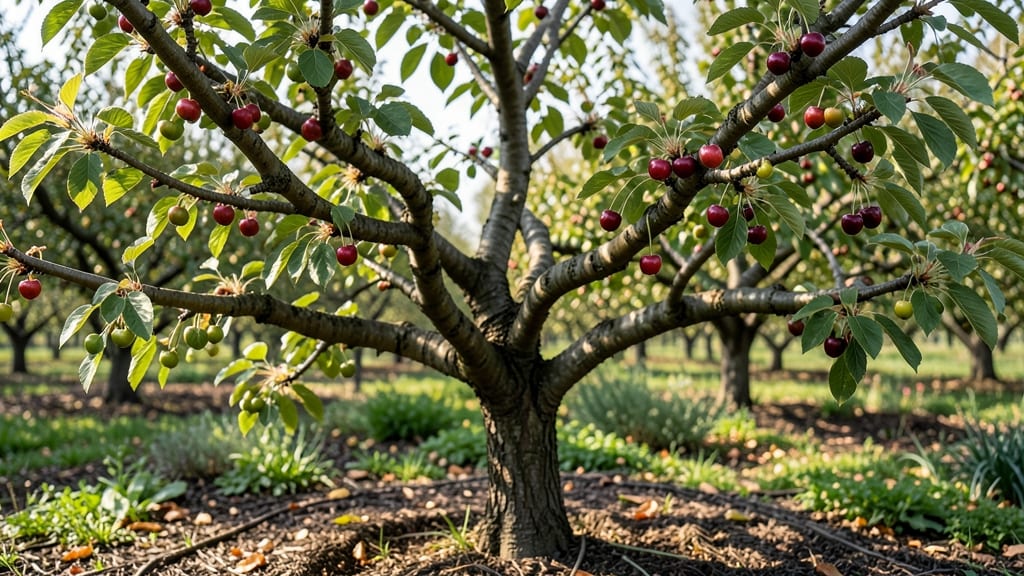
Understanding the five key stages of cherry tree fruit development is the difference between a bountiful harvest and a season of disappointment 🍒.
Watching a cherry tree transform from dormant branches to a bounty of ripe fruit is one of gardening’s most rewarding experiences—but timing is everything. Miss a stage, and you could lose your harvest to pests, disease, or poor development.
In Zone 6, where spring’s last frost lingers until mid-April, each phase demands attention: from delicate blossoms to the final ripening of your cherries. Whether you’re growing sweet Bing cherries or tart Montmorency, knowing when to thin fruit, protect against cracking, and spot ripeness ensures success.
Below, I’ll walk you through every stage—from bud formation to harvest—plus the practical tips to keep your tree thriving. You’ll learn how to read your tree’s signals, troubleshoot common issues, and pick cherries at their peak.
Cherry tree fruit development timeline: key stages by month
Understanding the month-by-month progression of your cherry tree’s fruit development helps you anticipate care needs and troubleshoot issues before they escalate. Whether you’re growing sweet cherries like Bing or sour cherries like Montmorency, each stage—from bud swell to harvest—demands specific conditions to ensure success.
In USDA zones 5-8, timing shifts slightly, but the core principles remain the same.
In early spring, your tree’s dormant buds begin swelling as temperatures rise above 40°F (4°C).
This is when sweet cherries (zones 5-7) and sour cherries (zones 4-8) diverge slightly in their chill-hour requirements—sweet varieties often need 600-1,000 hours below 45°F (7°C), while sour cherries thrive with 500-800 hours. Miss this window, and bud break may be uneven or delayed.
| Stage | Month (Zones 5-8) | Key Actions | Critical Needs |
|---|---|---|---|
| Bud Swell | March-April | Prune dead wood; monitor for pests | 40-50°F (4-10°C); moist soil |
| Full Bloom | April-May | Support pollinators; thin blossoms if needed | 50-70°F (10-21°C); 1-2" rain/week |
| Fruit Set | May-June | Thin fruit to 6" apart; fertilize lightly | 60-80°F (15-27°C); consistent moisture |
| Rapid Growth | June-July | Mulch; watch for cracking fruit | 70-90°F (21-32°C); deep watering |
| Ripening | July-August | Harvest when stems slip; protect from birds | 65-85°F (18-29°C); reduce water slightly |
By late March or early April, buds swell and begin to open, revealing tiny pink or white blossoms. This is your 5-7 day bloom window, and it’s critical for pollination.
Sweet cherries often need cross-pollination—plant a second variety like Stella or Lapins within 50 feet—while sour cherries are self-fertile. Cooler nights (50°F/10°C) during bloom extend the season, reducing frost damage risk.
Once blossoms fade, fruit set occurs over 4-6 weeks, with tiny cherries forming by mid-May. Here’s where thinning becomes essential: leave 6 inches between fruits to prevent overcrowding.
In zones 5-6, late frosts can kill blossoms, so have frost cloth ready. Water deeply 1-2 times per week to avoid cracking fruit later in the season.
From June through July, your cherries enter rapid growth, doubling in size. This stage demands consistent moisture—15-20 gallons per week for mature trees—and mulch to retain soil moisture.
Watch for bird damage; netting or reflective tape can deter them. Sweet cherries like Rainier ripen first, followed by sour varieties like Montmorency 2-3 weeks later.
By late July, cherries near full size and begin color change. Sweet cherries turn deep red, yellow, or black, while sour cherries darken to red or black.
The stem slip test—gently twisting a fruit—helps confirm ripeness. In zone 8, harvest may extend into early September, but avoid picking in hot afternoons to prevent bruising.
After harvest, prune to remove dead wood and open the canopy for next year’s sunlight exposure. Apply compost around the base and reduce watering as temps drop.
In zones 5-6, protect young trees with burlap wraps to prevent winter sunscald. With proper care, your tree will repeat this cycle, yielding fruit for decades.
How to identify and support each cherry fruit growth stage
Understanding each cherry fruit growth stage helps you provide the right care at the right time. From delicate blossoms to ripening fruit, every phase needs specific attention to avoid common pitfalls like blossom blast or cracking cherries.
Let’s break down what to watch for and how to support your tree through each critical phase.
Start by identifying bud formation in late winter, when swollen buds appear along branches. This is your cue to prepare for spring blooming. Prune any dead or crossing branches now to improve airflow and reduce disease risk. Apply a balanced fertilizer (10-10-10) when buds swell to fuel healthy growth.
⚠️ callout-warning
Cold snaps during flowering stage (April-May) can destroy blossoms, leading to no fruit. Protect your tree by covering it with frost cloth if temperatures drop below 28°F. Avoid overwatering—soggy soil weakens roots and increases fungal diseases like brown rot.
✅ Action: Monitor forecasts and use row covers if frost is predicted.
Once flowers open, focus on pollination support. Sweet cherries are self-pollinating, but sour cherries need cross-pollination. Plant a compatible variety nearby if you grow sour cherries. Avoid pesticides during bloom—they can harm bee pollinators. Thin fruit to 4-6 inches apart after set to prevent overcrowding and improve size.
During the fruit set stage (late May-June), cherries grow rapidly. Ensure consistent deep watering (15-20 gallons per tree) to prevent cracking fruit. Mulch around the base to retain moisture and regulate soil temperature. Watch for bird damage—use netting if needed, as birds love ripe cherries.
As fruit enters the growth and ripening stage (July-August), reduce nitrogen fertilizer to avoid excessive leaf growth. Instead, focus on potassium-rich fertilizer to enhance sweetness. Harvest when cherries reach full color, soften slightly, and detach easily from the stem.
Store in the fridge for up to 2 weeks or freeze for longer shelf life.
Create a cherry care checklist to track each stage: ☑️ Bud stage: Prune, fertilize ☑️ Bloom stage: Protect from frost, support pollinators ☑️ Fruit set: Thin fruit, water deeply ☑️ Ripening: Reduce nitrogen, harvest at peak ripeness