
Fertilization
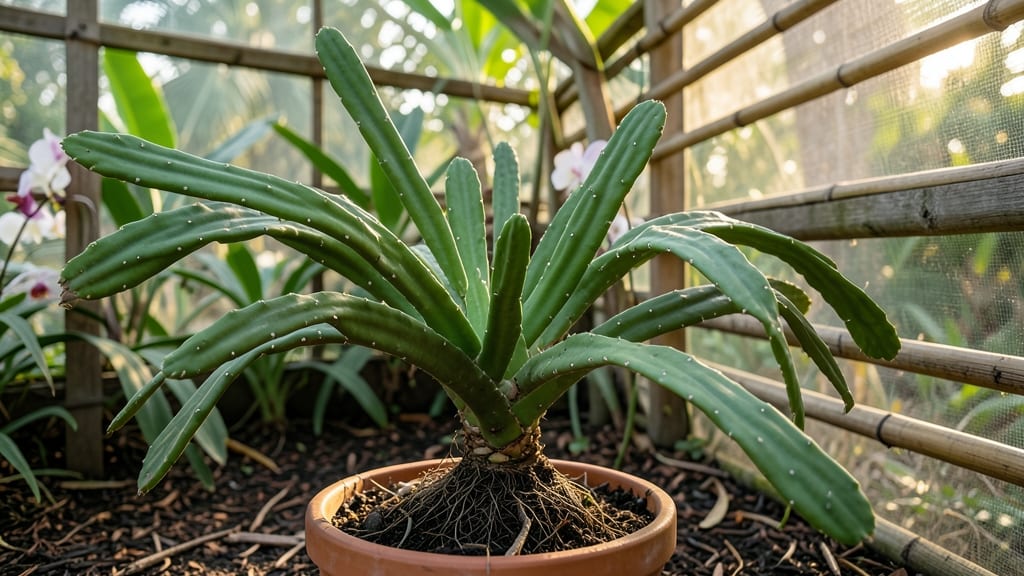
Understanding the seasonality of dragon fruit 🐉 is the key to unlocking a bountiful harvest, whether you're in Hawaii, Florida, or Southeast Asia.
Picture this: you've waited 18 months for your dragon fruit to bloom, only to watch the flowers drop without fruiting. That’s not laziness—it’s the plant following its natural rhythm, and missing the window by just a few weeks.
The good news? With the right timing, you can coax your dragon fruit into producing fruit twice a year, even in cooler microclimates like USDA Zone 9b.
This isn’t just about planting at the right time—it’s about aligning your care with the plant’s growth cycle. From the first signs of spring in Zone 10 to the year-round warmth of the tropics, each climate zone has its own secrets for triggering flowering and fruiting.
I’ll break down the exact months to plant, when to expect blooms, and how to stretch your harvest season longer than ever before.
Ready to turn your dragon fruit from a slow-growing vine into a reliable fruit producer? Here’s how to work with its natural rhythms instead of against them.
Dragon fruit planting seasons by USDA climate zones (with exact months)
Dragon fruit thrives in warm climates, but the best planting months depend entirely on your USDA hardiness zone. In zones 9-11, you can plant year-round, while zone 8 gardeners must time plantings carefully to avoid frost.
I’ll break down the exact windows for both Hylocereus (pitaya) and Selenicereus varieties, plus soil prep tips to maximize success.
For tropical/subtropical zones (9-11), dragon fruit grows best when planted during spring (March-May) or early fall (September-October). These windows align with natural rainfall patterns and avoid extreme heat stress. In zone 8, wait until after the last frost (April-May) and use frost cloths for added protection.
Soil temperature is critical—dragon fruit roots need at least 65°F (18°C) to establish. Amend your soil with compost and perlite to ensure well-draining conditions, as soggy soil leads to root rot. A pH between 6.0-7.0 is ideal for nutrient uptake.
| USDA Zone | Best Planting Months | Soil Prep Tip | Frost Risk |
|---|---|---|---|
| 9-11 (Tropical) | Year-round (avoid Dec-Feb) | Add coconut coir + perlite | None |
| 8 (Cooler) | April-May (post-frost) | Use raised beds for warmth | High (use frost cloth) |
| 7 (Marginal) | Container-only (June-July) | Potted plants need extra perlite | Very high |
🌱 Pro Tip: Mulch with straw to retain soil warmth in cooler zones.
In zones 9-11, I recommend planting Hylocereus undatus (white-fleshed) in spring for summer harvests, while Selenicereus varieties (yellow-fleshed) thrive with fall plantings for winter fruit. The key is matching the variety’s natural flowering cycle to your local climate.
For zone 8 gardeners, container growing is your best bet—use 5-gallon pots with drainage holes and move them indoors during winter. A grow light can supplement sunlight if natural light drops below 6 hours/day.
Frost is the #1 enemy of dragon fruit. If temperatures dip below 40°F (4°C), even established plants can die. In zone 8, wrap young plants with burlap sacks and use row covers during cold snaps.
In zone 7, only grow dragon fruit in containers that you can move indoors.
After planting, focus on consistent moisture—dragon fruit vines need 1-2 gallons of water weekly during dry spells. Let the top 2 inches of soil dry between waterings to prevent overwatering. A drip irrigation system works best to keep roots evenly moist.
Flowering typically occurs 18-24 months after planting, but you can prune old canes to encourage new growth and earlier fruiting. Remove any yellowing leaves and dead flowers to redirect energy toward fruit production.
In tropical zones, expect two harvest cycles per year if you plant at the right times.
If you’re in zone 9b or cooler, consider starting seeds indoors 8-10 weeks before your last frost date. Use a heat mat to maintain soil temps above 70°F (21°C)bright, indirect light until they’re strong enough for transplanting.
Remember, dragon fruit is a patient plant. It may take 2-3 years to bear fruit, but with the right planting timing and care, you’ll enjoy vibrant pink, purple, or yellow fruits year after year. Start now, and you’ll be harvesting in no time! 🌺
How dragon fruit growth cycles align with seasonal fruit production
Dragon fruit isn’t just a tropical novelty—it follows a precise seasonal rhythm that determines when (and if) you’ll get fruit. Unlike annuals, dragon fruit plants take 18-36 months to mature, with flowering and fruiting triggered by daylight hours, temperature shifts, and humidity.
Understanding these cycles lets you predict harvests and troubleshoot delays—like why your plant blooms but never fruits.
In USDA Zones 10-11, dragon fruit grows year-round, but flowering peaks during shorter daylight (late summer/fall), while cooler zones (9b) need spring planting for summer fruiting.
Humidity below 60% can stall blooms, and temps below 50°F kill the plant instantly. Mastering these factors turns guesswork into a reliable harvest schedule.
Months 1-6: Vegetative Growth
Focus on vine development—no flowers yet. Prioritize 6+ hours of sun and consistent moisture to reach 5-10 ft by Year 1.
Months 7-12: First Flowers
Night-blooming white flowers appear when days shorten (12 hours of light). Hand-pollinate flowers at 8-9 PM for fruit set.
Months 13-18: Fruit Development
Fruit takes 30-45 days to ripen. Prune old canes to redirect energy; reduce water slightly to concentrate sugars.
Months 19-36: Peak Production
Mature plants yield 2-3 harvests/year. Fertilize with phosphorus (5-10-10) in spring/fall to sustain blooms.
Temperature swings are the hidden orchestrator of dragon fruit cycles. In tropical climates, consistent 75-90°F days and 60-80% humidity keep vines flowering year-round. But in subtropical zones (e.g., Florida), a 5°F drop can shock the plant into dormancy, delaying blooms by months.
I’ve seen plants in Zone 9b stall until summer heat returns—patience is key!
Daylight hours trigger flowering cues more than you’d expect.
Dragon fruit needs 12-13 hours of daylight to break dormancy, which is why spring planting aligns with summer fruiting in cooler areas. Artificial grow lights (12 hours/day) can coax blooms in indoor setups, but outdoor plants rely on natural seasonal shifts.
Pro tip: Track your local sunrise/sunset times—when days dip below 12.5 hours, that’s your flowering window.
Humidity plays a critical but often overlooked role. Low humidity (40%) causes bud drop, while high humidity (>80%) can promote fungal diseases like powdery mildew. In arid climates, I mist vines daily during bud formation to mimic tropical conditions.
For container growers, a pebble tray with water boosts humidity near the plant without overwatering.
Timing your fertilization schedule to match growth stages maximizes yields. Feed lightly in spring (to build vines), heavily in summer (for flowering), and taper in fall. I use a 5-10-10 NPK blend—the extra phosphorus is a game-changer for fruit set.
Avoid nitrogen-heavy fertilizers after June in cooler zones, or you’ll get leafy growth instead of flowers. 🌱