
Picking
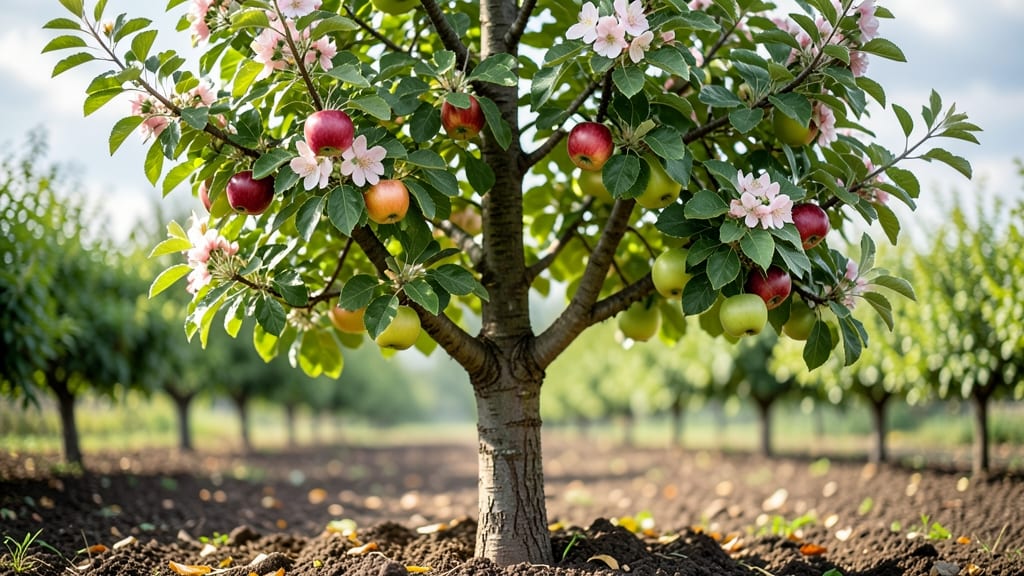
Understanding apple fruit growth stages reveals five critical phases: budding in spring, fruit set in early summer, rapid cell expansion in late summer, color development in fall, and final maturity at harvest time. Each phase demands specific orchard management to maximize fruit quality and tree health.
Apple trees transform from blossoms to harvest through a fascinating biological process where each stage depends on precise environmental conditions. 🍎 The budding phase in spring, for example, requires consistent temperatures above 50°F to trigger flowering, while fruit set in early summer needs careful pest monitoring to prevent blossom drop.
What's particularly interesting is how late summer's rapid cell division—when fruits swell dramatically—directly correlates with proper watering and nutrient balance. These stages don't happen in isolation; they're interconnected by the tree's hormonal signals and photosynthesis efficiency.
The color change phase in fall is where apples develop their signature hues, but this transformation is highly dependent on sunlight exposure and variety-specific genetics. For instance, Gala apples will turn golden-yellow while Granny Smith varieties maintain their green tint.
Finally, maturity at harvest isn't just about color—it's about achieving the perfect balance of sugars and acids, which orchardists determine through taste tests and firmness measurements. Understanding these stages helps growers predict yields and plan their seasonal care routines effectively.
💡 In This Article
- Apple Tree Development Timeline: Flowering to Fruit Ripening
- Monthly Care Guide for Apple Fruit Growth Success
Apple tree development timeline: flowering to fruit ripening
The apple tree's journey from flower to fruit begins with budding in late spring, when chilling hours (typically 500-1,000 hours below 45°F) trigger dormancy release.
This phase is all about floral initiation—tiny pink buds swell as temperatures rise above 50°F, revealing clusters of white blossoms that release a sweet, honey-like fragrance.
What's fascinating is how these flowers are perfect in structure, with each blossom containing both male and female reproductive parts, but requiring cross-pollination from different varieties to set fruit. 🌸 The blossoms only open for 5-7 days, creating a narrow window for pollinators like bees to transfer pollen effectively.
Once pollinated, the next phase—fruit set in early summer—marks the formation of tiny green apples, each no larger than a pea. This is when hormonal changes kick in: the plant shifts from reproductive mode to fruit development, producing auxin hormones that prevent premature fruit drop.
However, this stage is vulnerable to environmental stressors. Extreme heat (90°F+) or drought can cause blossom drop, while fungal diseases like apple scab thrive in wet conditions.
The fruit's rapid growth begins as cells divide at an astonishing rate—some varieties can increase in size by 100% in just 30 days during late summer's cell expansion phase.
The color change phase in fall is where apples reveal their true identity, but this transformation isn't just about pigment—it's a complex biochemical process. Anthocyanins (the pigments responsible for red hues) develop in response to sunlight exposure, while chlorophyll breaks down, revealing underlying colors.
For example, Fuji apples develop their signature red blush when exposed to 6-8 hours of direct sunlight daily, while shaded apples remain pale.
This phase also sees the accumulation of sugars through photosynthesis, with apples converting starches to fructose as temperatures drop below 70°F at night. 🍏 The tree's hormonal signals shift again, preparing the fruit for harvest.
Final maturity at harvest represents the culmination of these processes, but determining the perfect picking time requires careful monitoring. Orchardists use a combination of starch-iodine tests (where mature fruit turns blue-black when sliced and exposed to iodine) and firmness measurements (using a penetrometer to measure flesh resistance).
The ideal harvest window occurs when the fruit reaches its peak sugar-to-acid ratio—typically when background color covers 25-50% of the fruit's surface, depending on the variety.
What's often overlooked is how post-harvest handling affects storage life; apples picked too early may develop mealy texture, while those left too long on the tree risk over-ripening and susceptibility to disease.
Understanding these biological processes helps growers make informed decisions about irrigation, fertilization, and pest management at each stage. For instance, during rapid cell division, trees require 1-2 inches of water per week to prevent fruit cracking, while the color change phase benefits from reduced nitrogen fertilization to improve fruit quality.
The interplay between genetics, environment, and horticultural practices creates the perfect balance for that first crisp bite of a homegrown apple. 🍏