
Propagation
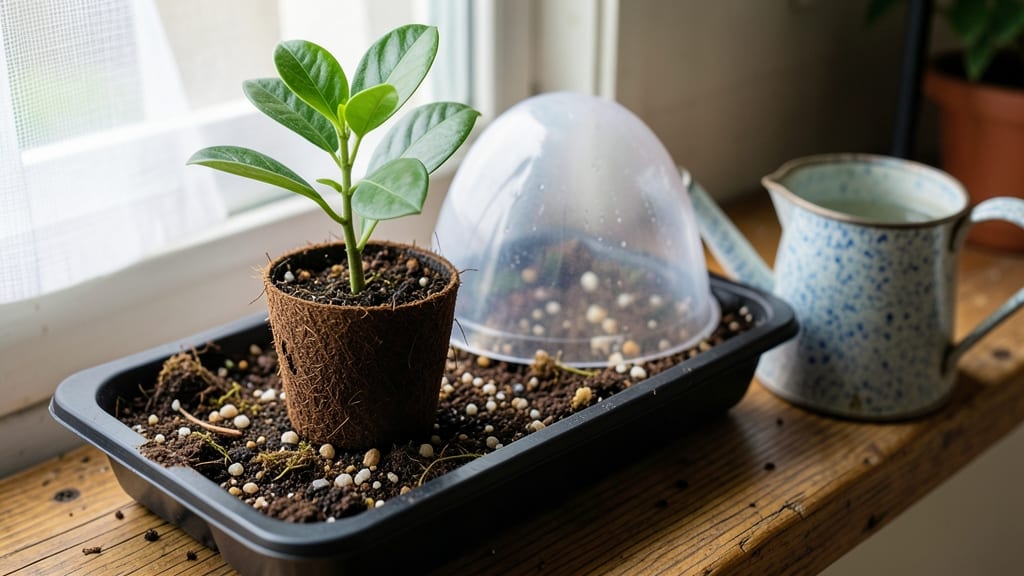
Growing grapefruit from seed means waiting three years for fruit—but the journey starts with a single pit. 🌱 I’ve tried this twice, and while the trees never match store-bought grafted varieties, there’s something thrilling about watching a citrus tree grow from a kitchen scrap.
The process is simple but slow: soak the seed, plant it in damp sand, and wait for the first green shoot. Most people quit here, but the real magic happens after germination—when you nurture a tiny seedling into a sturdy tree.
Patience pays off with glossy leaves and the promise of future fruit. By year three, you’ll have a 6-foot tree with fragrant white blooms (though fruit may take another year). The key is consistent watering, bright light, and avoiding drafts.
Seed-grown trees are hardier than grafted ones but need protection from frost. This isn’t about instant harvests—it’s about the joy of growing something rare from scratch. Here’s how to start yours right.
📚 In This Guide
- What you need
- Instructions
- Tips and common mistakes
- Wrapping up and next steps
What you need
- ● Grapefruit seeds: 3–5 fresh, organic seeds (from a ripe grapefruit—avoid hybrid varieties if you want true grapefruit flavor).
- ● Small pots or seed trays: 3–4 biodegradable pots (3–4 inches in diameter) or a seed tray with drainage holes.
- ● Well-draining potting mix: 1–2 bags of a high-quality, seed-starting mix (or a blend of 50% peat moss and 50% perlite/sand).
- ● Watering can or spray bottle: With a fine mist nozzle for gentle hydration.
- ○ Plastic wrap or humidity dome: To create a mini greenhouse effect (optional but helpful for germination).
- ● Grow lights or sunny windowsill: A warm, bright spot (60–75°F) with 6+ hours of indirect light daily.
- ● Fertilizer: A balanced, water-soluble fertilizer (e.g., 10-10-10) for seedlings after sprouting.
- ● Heat mat (for faster germination in cooler climates).
- ● Humidity tray (to maintain moisture without overwatering).
- ● Pruning shears (for shaping the tree as it grows).
- ● Citrus-specific fertilizer (once the tree is established).
- ● Support stake (if growing indoors long-term).
Step-by-Step instructions for growing a grapefruit tree from seed
Here's how to turn a grapefruit pit into a thriving citrus tree that could bear fruit in three years.
🌱 Step 1: Extract and Prepare the Seed
Start by carefully removing the seed from a fresh, organic grapefruit. I like to use a small knife to slice the fruit open and locate the largest, plumpest seed—this gives the best germination chances. Rinse it thoroughly under cool water to remove any fruit residue, then pat it dry with a paper towel.
Here's the thing—don't let the seed dry out completely. Place it between two damp paper towels, fold them over, and store in a sealed plastic bag. Keep it in a warm spot, like on top of your refrigerator, where the temperature stays around 75-80°F. Check the towels daily and mist with water if they feel dry to the touch.
💧 Step 2: Germinate the Seed
Within 7-14 days, you'll see a tiny white root emerge from one end of the seed. This is your signal to stop the paper towel method and move it to soil. Use a small 3-4 inch pot filled with a well-draining mix of 50% potting soil and 50% perlite—this prevents rot while encouraging root growth.
Plant the seed about ½ inch deep in the soil, with the root pointing downward. Press gently around it to make contact with the soil, then water lightly until moisture reaches the bottom of the pot. Place the pot in a warm, bright spot with indirect sunlight—a south-facing window works well. Avoid direct sun at this stage, as it can dry out the tender seedling.
☀️ Step 3: Transplant and Provide Care for Early Growth
Once the seedling grows its first true leaves (not the initial seed leaves), it's ready for a slightly larger 5-inch pot. Use the same soil mix to maintain drainage. This transplant happens around 4-6 weeks after germination, but watch for the leaves—you'll see them emerge as small, rounded shapes distinct from the initial seed leaves.
Water the seedling when the top inch of soil feels dry to the touch. Overwatering is the biggest mistake here—grapefruit seedlings hate soggy roots. Place the pot in a spot with 6-8 hours of sunlight daily, gradually increasing exposure to prevent shock. If your space is low-light, supplement with a grow light kept 4-6 inches above the plant.
🪴 Step 4: Repot and Train for Long-Term Growth
When the seedling reaches 12 inches tall, it's time to repot into a 1-gallon container. Use a mix of 60% potting soil, 20% perlite, and 20% compost to provide nutrients without compacting the roots. Gently remove the seedling from its current pot, loosen the roots if they're circling, and place it in the new container, burying it to the same depth as before.
This is also the time to start training the tree. Pinch off the top set of leaves to encourage branching—this creates a stronger, bushier structure. Place the pot in a sunny outdoor spot (if temperatures stay above 50°F) or keep it indoors near a bright window. Water deeply once a week, letting excess water drain completely from the pot to avoid root rot.
⏰ Step 5: Overwinter and Prepare for Fruit Production
If you live in a colder climate, bring the tree indoors before temperatures drop below 40°F. Place it near a south-facing window or under grow lights for 12-14 hours daily. Reduce watering in winter—only water when the top 2 inches of soil feel dry. This dormancy period helps the tree store energy for future growth and eventual fruiting.
By year three, your grapefruit tree could start producing small, inedible fruit. Don’t be discouraged—these early fruits are often bitter and seedy. Keep caring for the tree, and with patience, it may develop sweeter, larger fruit in 5-7 years. Prune lightly in late winter to shape the tree and remove any dead or diseased branches.
Tips & tricks for growing a grapefruit tree from seed
Here's what I learned after watching my first grapefruit seed sprout—and how to avoid the mistakes I made.
Seed Selection Matters: Not all grapefruit seeds germinate equally. Choose the largest, plumpest seed you can find—these have the highest germination rates. I've found that seeds from organic grapefruits tend to sprout more reliably than conventional ones, possibly because they're less treated. If you're using store-bought fruit, soak the seed in water for 24 hours before starting the damp towel method to help break down any chemical residues.
Temperature Consistency is Key: Maintaining that 75-80°F range during germination is crucial, but don't stress about exact degrees. The top of your refrigerator is perfect because it stays warm without being too hot. If your home runs cooler, consider using a seedling heat mat set to 70°F—this creates a stable environment. I've seen germination rates drop dramatically when seeds get too cold, so keep that plastic bag sealed to trap warmth.
Light Exposure Strategy: When moving your seedling to soil, place it in bright, indirect light for the first two weeks. Direct sunlight can scorch those delicate new leaves. I use a sheer curtain to diffuse light if my south-facing window gets too intense. After the first true leaves appear (around 4-6 weeks), you can gradually introduce more direct sun—about 2-3 hours daily at first, then increasing to 6-8 hours as the plant matures.
Soil Mix Secrets: The 50% potting soil/50% perlite mix in Step 2 is non-negotiable for drainage, but there's a trick to it: pre-moisten both components before mixing. This prevents dry spots where your seedling's roots might struggle. For the 1-gallon container in Step 4, I add a handful of worm castings to the soil mix—this gives a gentle nutrient boost without overwhelming the young tree. Just avoid anything too rich, which can cause salt buildup.
Pro Tips for Grow A Grapefruit Tree From Seed
- Here's what I learned after watching my first grapefruit seed sprout—and how to avoid the mistakes I made.
- Seed Selection Matters: Not all grapefruit seeds germinate equally. Choose the largest, plumpest seed you can find—th...
- Temperature Consistency is Key: Maintaining that 75-80°F range during germination is crucial, but don't stress about ...
Frequently asked questions
Growing a grapefruit tree from seed is exciting, but you might still have questions! Here are some of the most common ones to help you get started on the right foot.
How long does it take for a grapefruit seed to sprout?
A grapefruit seed typically sprouts within 2 to 4 weeks if kept in warm, moist conditions. Place the seed in a well-draining soil mix and maintain a consistent temperature of 70–80°F (21–27°C). Patience is key—some seeds may take a little longer, especially if they’re dried out or stored improperly.
Will a grapefruit tree grown from seed produce fruit?
While it’s possible for a seed-grown grapefruit tree to produce fruit, it may take 10+ years and the fruit could be different from the parent plant (e.g., bitter, smaller, or a different variety). For reliable fruit, consider grafting a known variety onto your seedling later. Think of it as a fun experiment first!
Can I grow a grapefruit tree indoors?
Yes! Start your seedling indoors near a sunny window or under grow lights for 12–14 hours daily. Once it’s 12–18 inches tall, transplant it outdoors in a warm climate (USDA Zones 9–11). If you live in a colder zone, keep it in a pot and move it indoors during winter. Just ensure it gets plenty of light!
What’s the best way to speed up germination?
To encourage faster sprouting, soak the seed in warm water for 24 hours before planting. Use a paper towel method—place the seed between damp towels in a sealed bag—until it sprouts (usually 3–7 days). Keep it in a warm spot, like near a heater or in a sunny window. Avoid overwatering once planted!
Why isn’t my grapefruit seed sprouting?
If your seed isn’t sprouting after 4–6 weeks, check these common issues:
- Dry soil: Keep the soil consistently moist (not soggy).
- Cold temperatures: Grapefruit seeds need warmth (70°F+).
- Old or damaged seed: Some seeds lose viability over time.
- Poor drainage: Use a mix of potting soil and perlite to prevent rot.
Wrapping up and next steps
Growing a grapefruit tree from seed is a rewarding journey that blends patience with tropical beauty—and you’ve got this! 🌱 While it may take 3+ years to bear fruit, the process of nurturing a citrus sapling from scratch is pure magic.
Start small, stay consistent, and soon you’ll be harvesting your own homegrown grapefruits.
Ready to take the next step? Research local citrus varieties or explore grafting techniques to speed up fruiting. Or, simply enjoy the lush greenery and the joy of watching your seedling thrive! 🍊✨