I still remember the first time I dug my hands into soil as a kid in my grandmother’s garden in upstate New York—how the earth smelled after rain, how the sun warmed my shoulders as I pulled up carrots. That moment stuck with me, and now, years later, I’m here to share the joy of growing your own food, whether you’ve got a backyard plot or just a sunny windowsill. This site is my way of passing along the lessons I’ve learned: the patience it takes, the little tricks that make all the difference, and the quiet satisfaction of harvesting something you’ve nurtured yourself.
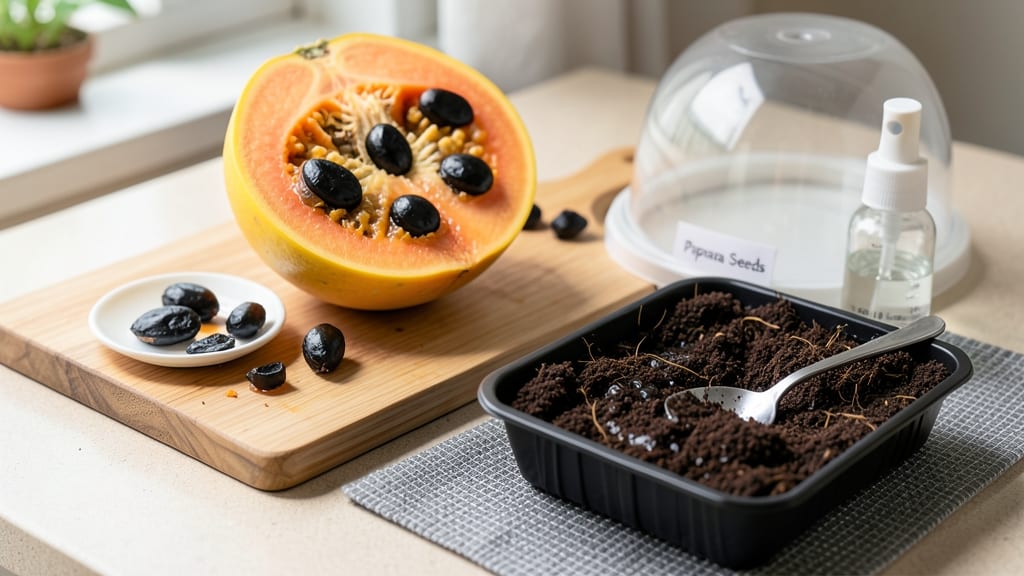
Planting papaya seeds from fruit is how I accidentally grew my first tropical tree indoors—no greenhouse required. 🌱 The process starts with the seeds from a ripe papaya, which sprout faster than you'd expect when given…
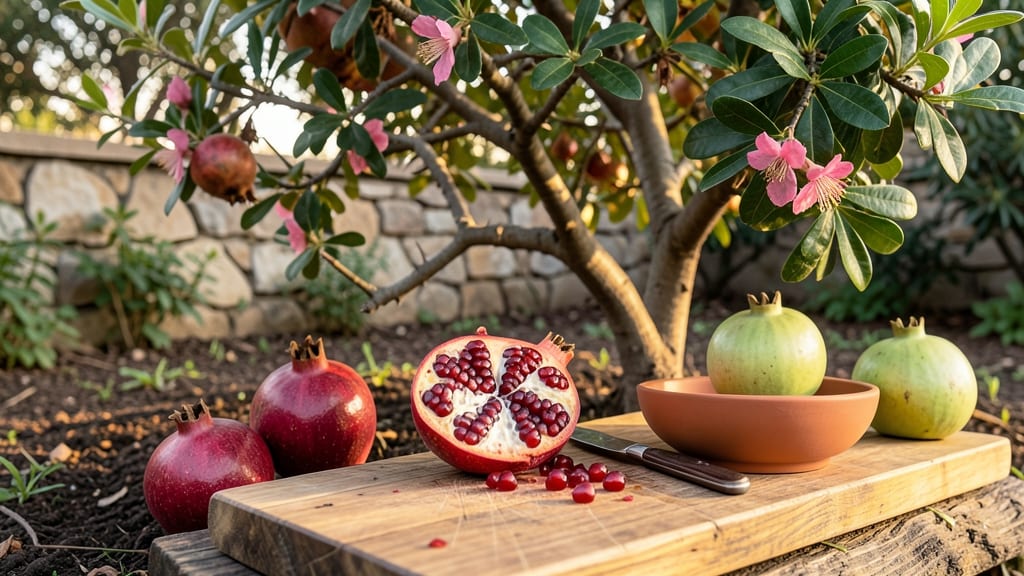
Pomegranate fruit splitting ruins what should be a juicy harvest of ruby arils. The deep cracks appear overnight, turning your hard work into a messy pulp disaster—but there’s a way to prevent it without the struggle…
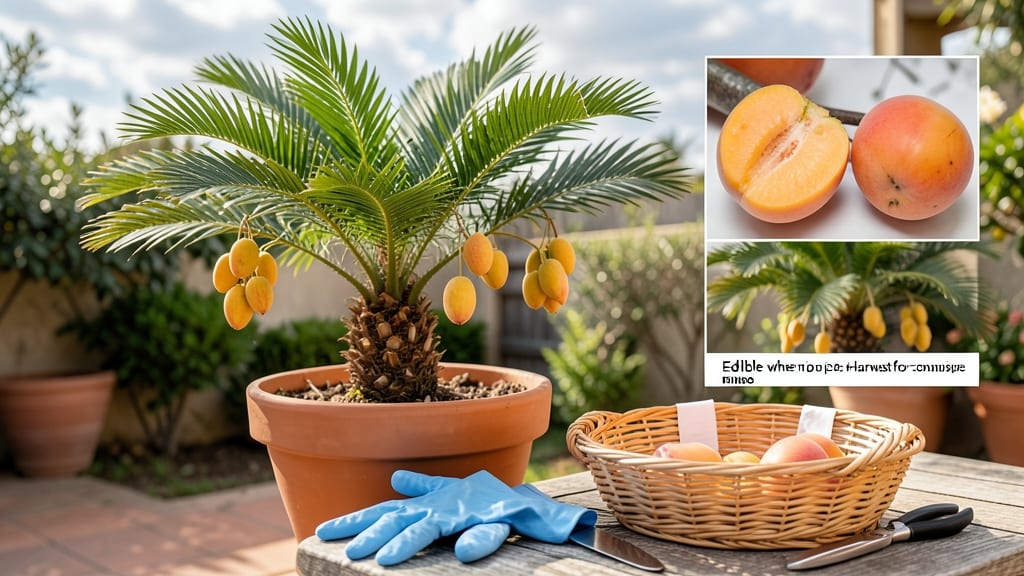
💥 Quick Answer This edible pygmy date palm fruit can be eaten when fully ripe, but only after proper preparation—immature fruit contains dangerous toxins like cycasin, while overripe fruit may ferment and cause stomach…
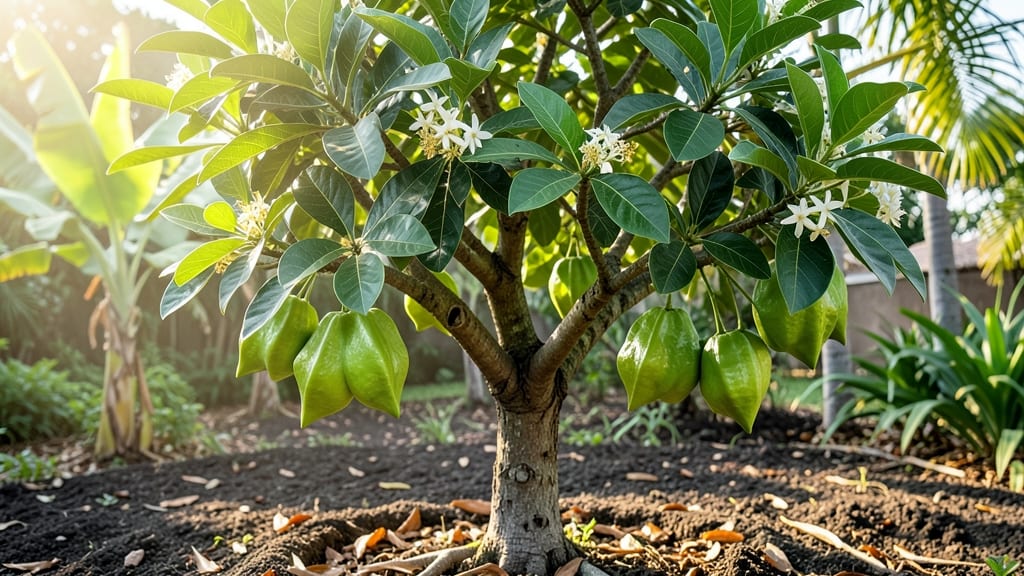
💥 Quick Answer Star fruit grows best in USDA hardiness zones 10 through 12, where warm temperatures stay above 30°F year-round. Plant in early spring after frost danger passes, using well-draining soil and full sun…
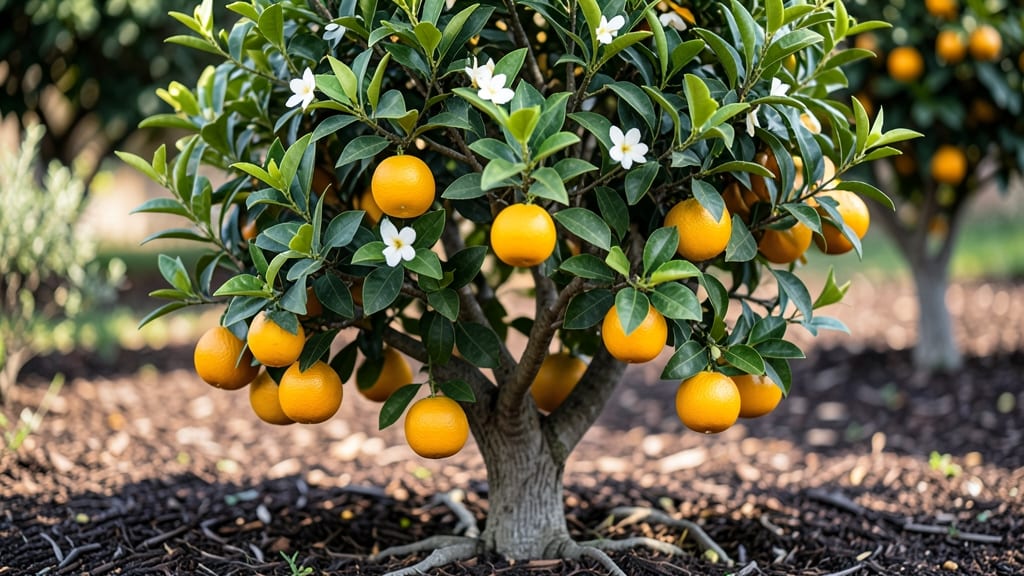
💥 Quick Answer Tangerine fruit is a small, sweet citrus hybrid between mandarins and pomelos, known for its easy-to-peel skin and juicy, seedless segments. Unlike oranges, tangerines ripen fully on the tree and have a…
💥 Quick Answer Nectarine trees produce fruit between late spring and early summer, with popular varieties like 'Redhaven' ripening in June-July and 'Crimson Snow' in July-August. Warmer climates may see earlier…
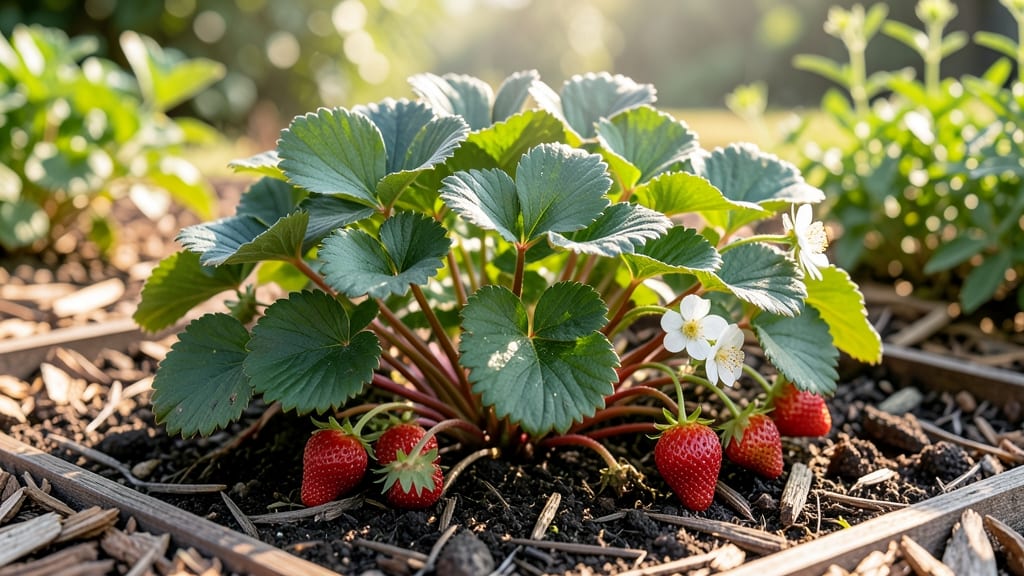
Strawberries produce fruit in their second year after planting, with timing that depends on the variety and climate — June-bearing types deliver a single big harvest in late spring, while everbearing and day-neutral…
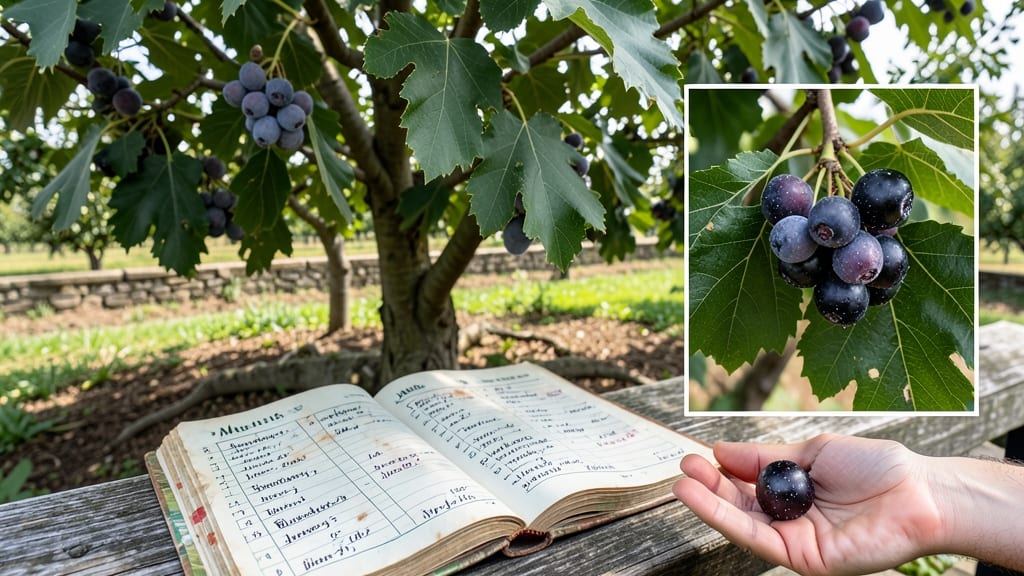
A mulberry tree bears fruit typically between 3 to 5 years after planting, though some vigorous varieties may produce earlier with ideal care. If you’ve planted one hoping for a quick harvest, you might be surprised by…
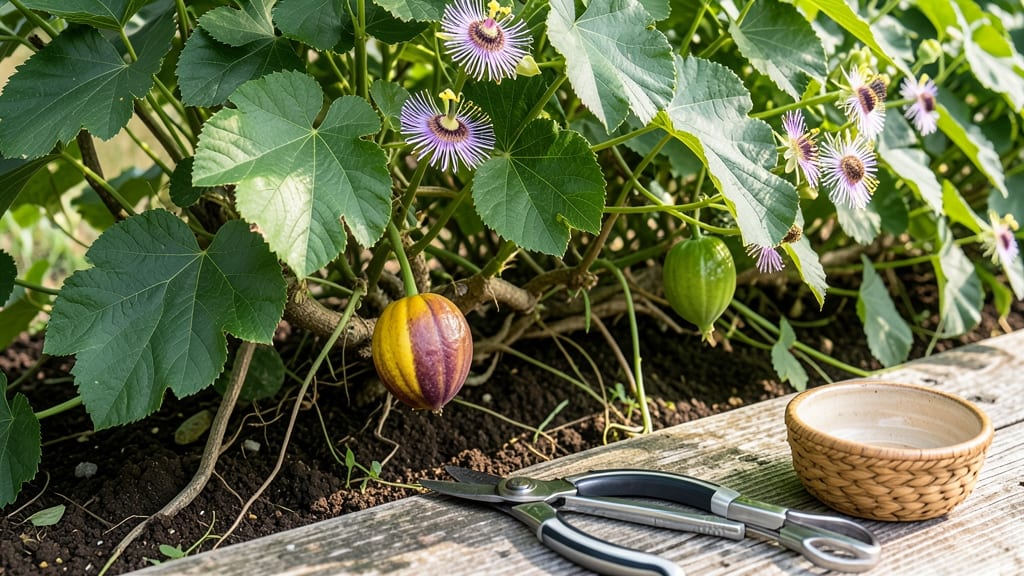
💥 Quick Answer You should eat passionfruit when it's fully ripe, which you can tell by its deep yellow or purple skin and slight softness when gently squeezed. Overripe fruit becomes mushy, while unripe passionfruit…
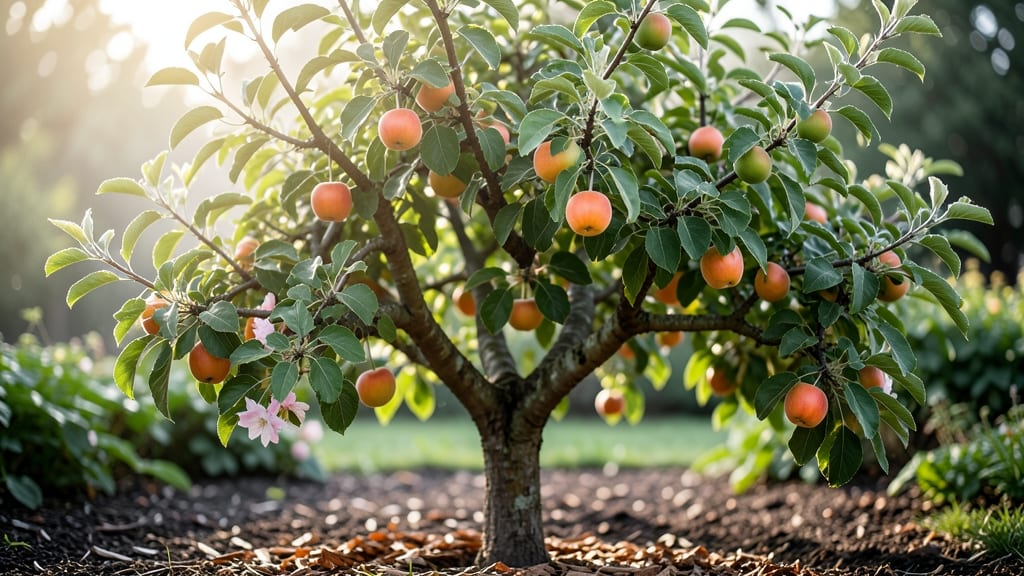
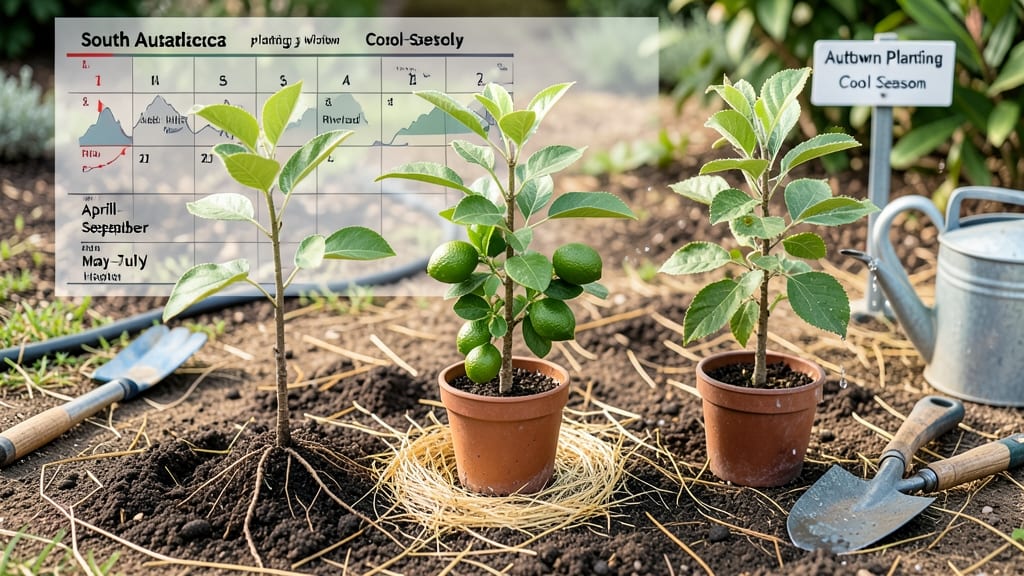
Planting fruit trees in South Australia during winter to early spring 🍎 gives them the best shot at thriving, especially with the region’s unpredictable frost risks. Timing is everything when planting fruit trees in…