
Propagation
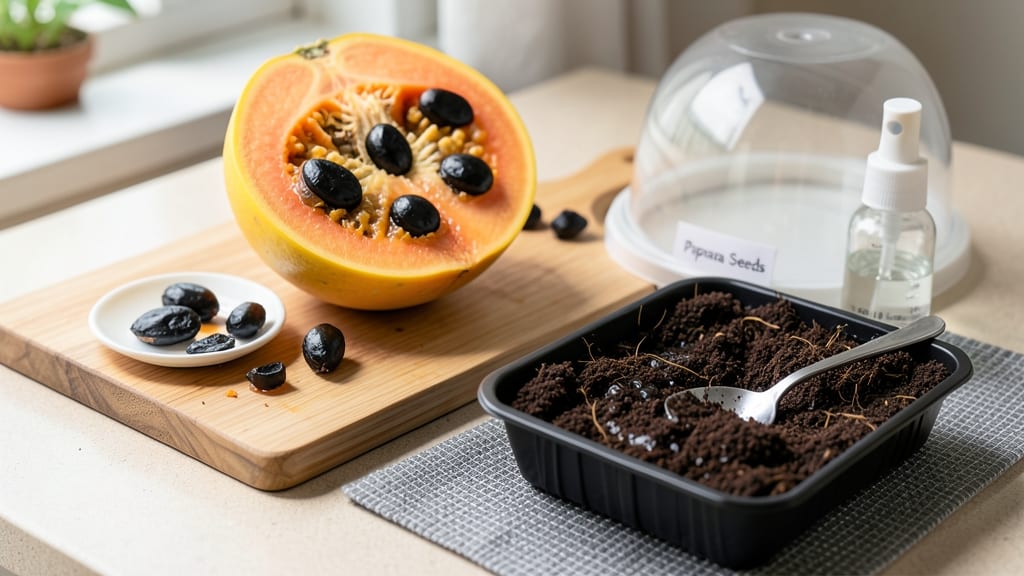
Planting papaya seeds from fruit is how I accidentally grew my first tropical tree indoors—no greenhouse required. 🌱 The process starts with the seeds from a ripe papaya, which sprout faster than you'd expect when given the right conditions.
Most people assume it's complicated, but it's actually one of the most rewarding propagation projects for beginners.
The key to success lies in three things: fresh seeds, warm soil, and bright indirect light. You'll need a small pot, well-draining soil mix, and patience—though the wait is worth it when you see those first leaves unfurl.
I've learned that mold is the biggest threat, so keeping things moist but not soggy is critical. Within 2-4 weeks, you'll see tiny sprouts pushing through the soil.
By month six, your seedling could be a foot tall with broad, glossy leaves that look like miniature versions of the mature tree. The best part? These plants grow surprisingly fast when given good care, and they're not picky about their surroundings—just keep them warm and watered consistently.
You'll end up with a lush, tropical-looking plant that thrives in containers or your garden.
This method works equally well for indoor growers and those with outdoor spaces, though tropical climates give seedlings a head start. The only real challenge is finding ripe papayas with viable seeds—so grab one from the grocery store and give it a try.
You might just end up with a fruit tree in your living room!
📚 In This Guide
- What you need
- Instructions
- Tips and common mistakes
- Wrapping up and next steps
What you need
- ● Ripe papaya fruit – Choose a fully ripe, organic papaya (the riper, the better!)
- ● Seeds – 3–5 large, plump seeds (extract from the fruit)
- ● Small pots or seed trays – 4–6 inches deep (biodegradable pots work too!)
- ● Well-draining potting mix – Light, airy soil (cactus/succulent mix or a 50/50 blend of peat and perlite)
- ● Spray bottle – For gentle watering (avoid over-saturating seeds!)
- ○ Plastic wrap or clear lid – To create a humidity dome (optional but helpful)
- ● Grow lights or sunny windowsill – Bright, indirect light (6+ hours daily)
- ○ Fertilizer (optional but recommended) – Balanced liquid fertilizer (5-10-5 ratio) for seedlings
- ● Heat mat – Speeds up germination (70–85°F ideal)
- ● Humidity tray – Keeps moisture levels consistent
- ● Tweezers or toothpick – For carefully placing seeds
- ● Label markers – To track planting dates
- ● Transplant pots (6+ inches) – For when seedlings outgrow their starters
Step-by-step instructions for planting papaya seeds from fruit
Here's how I turn a grocery store papaya into a thriving tropical tree—no greenhouse needed.
🌱 Step 1: Extract and Prepare the Seeds
Cut open a ripe papaya and scoop out the seeds along with the jelly-like flesh surrounding them. Rinse them gently under cool water to remove any remaining fruit pulp. I like to spread them on a paper towel to dry for about 30 minutes—this prevents mold when we plant.
Papaya seeds germinate quickly, but the jelly can trap moisture and cause rot. If you're impatient, soak the seeds in warm water for 24 hours before planting to speed up germination. Just don't let them dry out completely—they'll lose viability fast.
💧 Step 2: Plant Seeds in Moist Potting Mix
Fill small pots or seed trays with a lightweight seed-starting mix. Press the soil down lightly to create a firm surface, then make small holes about ½ inch deep with your finger. Place 2-3 seeds per hole—papayas grow fast, and you'll need to thin later.
Cover the seeds with a thin layer of soil, just enough to obscure them. Water gently until the soil feels evenly moist but not soggy. Papaya seeds need warmth to germinate, so I place the pots in a warm spot like on top of the fridge or near a sunny window. You'll see sprouts in 7-14 days.
☀️ Step 3: Provide Warmth and Light for Germination
Papaya seedlings thrive in warmth, so keep the soil temperature between 70-85°F. If your home runs cooler, a seedling heat mat will help. Once the first true leaves appear, move the seedlings to a location with bright, indirect light for 6-8 hours daily.
Here's the thing—papayas grow toward light aggressively. If you notice seedlings stretching toward the window with pale, leggy stems, rotate the pots daily so they grow straight. You'll know they're getting enough light when the leaves are dark green and compact.
🌿 Step 4: Thin and Transplant Seedlings
When seedlings reach about 4 inches tall and have 3-4 true leaves, thin to the strongest plant per pot. Gently pull the weaker seedlings at the base—don't twist them, or you'll damage the roots of the remaining plant.
Transplant the strongest seedling into a 5-6 inch pot filled with well-draining potting mix. Papayas hate soggy roots, so mix in some perlite or coarse sand to improve drainage. Water thoroughly after transplanting, and place the pot in a warm, sunny spot.
⏰ Step 5: Care for Young Trees Through First Year
Keep the soil consistently moist but never waterlogged. Papayas need 1-2 inches of water weekly during active growth, but let the top inch of soil dry out between waterings to prevent root rot. Fertilize lightly every 4-6 weeks with a balanced, water-soluble fertilizer.
By month 6, your papaya tree should be 3-4 feet tall with a sturdy trunk. If you're growing indoors, it may need support as it grows taller—use a small stake or trellis to keep it upright. Outdoor plants can handle more sun now, but bring them inside if temperatures drop below 50°F.
Tips & tricks for growing papaya trees from seeds
Transforming papaya seeds into a thriving tree is easier than you think—here’s how to avoid common pitfalls and maximize success.
Seed Preparation is Key: The 30-minute drying time isn’t just about preventing mold—it’s about striking the perfect balance. If seeds stay too moist, they’ll rot; if they dry too much, they lose viability. Spread them on a paper towel in a single layer, and check periodically. For extra insurance, place the towel over a mesh screen to allow airflow underneath. This method works especially well in humid climates.
Warmth Accelerates Germination: Papaya seeds need consistent warmth between 70-85°F to sprout reliably. If your home runs cooler, place pots on top of the fridge or use a seedling heat mat—this can cut germination time from 14 days to just 7. I’ve seen seeds sprout in as little as 5 days when kept at the upper end of this range! Just avoid direct heat sources like radiators, which can dry out the soil too quickly.
Light Management Prevents Leggy Seedlings: The 6-8 hours of bright, indirect light in Step 3 is non-negotiable. If your seedlings start stretching toward the window with pale stems, rotate them daily and consider supplementing with a grow light. I use a simple LED bulb on a timer for 12 hours daily—this prevents the leggy growth that often signals insufficient light. The goal is compact, dark green leaves, not tall, spindly stems.
Transplanting with Care: When thinning to the strongest seedling, be gentle—twisting can damage delicate roots. I like to use a small spoon to loosen the soil around the weaker plants before pulling. For the transplant into a 5-6 inch pot, mix in perlite or coarse sand to improve drainage. This prevents the soggy roots that can kill papaya trees, especially during their first year. Water thoroughly after transplanting, but let the top inch dry between waterings to establish healthy root habits.
Pro Tips for Planting Papaya Seeds From Fruit
- Transforming papaya seeds into a thriving tree is easier than you think—here’s how to avoid common pitfalls and maxim...
- Seed Preparation is Key: The 30-minute drying time isn’t just about preventing mold—it’s about striking the perfect b...
- Warmth Accelerates Germination: Papaya seeds need consistent warmth between 70-85°F to sprout reliably. If your home ...
Frequently asked questions
Got questions about growing papayas from seed?
You’re not alone! Here are answers to the most common queries to help you succeed with your tropical adventure.
How long does it take for papaya seeds to germinate?
Germination usually takes 7–21 days, depending on warmth and moisture. Keep seeds in a cozy, humid environment (like a sealed plastic bag with a damp paper towel) to speed things up. Once sprouted, transfer them to soil within a week to avoid leggy seedlings. Patience is key—some seeds may take longer!
What’s the best temperature for growing papaya seeds?
Papaya seeds thrive in warmth (75–90°F or 24–32°C). If your climate is cooler, start seeds indoors near a sunny window or under grow lights. Avoid cold drafts—they’ll slow germination or even kill seedlings. A heat mat can give your seeds a tropical boost if needed!
Can I plant papaya seeds directly from store-bought fruit?
Store-bought papayas are fine, but choose ripe, organic fruit for the best results. Wash the seeds gently to remove pulp, then dry them before planting. Just note: hybrid seeds (like those from grocery stores) may not produce fruit identical to the parent plant—expect surprises!
Why aren’t my papaya seeds sprouting?
Common culprits include old seeds, poor moisture, or cold temps. Try these fixes:
- Soak seeds in warm water overnight before planting.
- Use a humidity dome or plastic wrap to trap moisture.
- Move seeds to a warmer spot (like a sunny windowsill).
How do I know if my papaya seedling is healthy?
A healthy papaya seedling has:
- Bright green leaves (not yellow or wilted).
- Sturdy stem (not soft or mushy).
- New growth after 2–3 weeks.
Wrapping up and next steps
Growing papaya from seed is a rewarding journey that connects you to nature’s tropical bounty—and you’ve got all the tools to succeed! 🌱 With patience, the right conditions, and a little care, you’ll watch those seeds sprout into a thriving tree in just six months.
Whether you’re a beginner or a seasoned gardener, this project is a fantastic way to grow your own fruit while learning the magic of propagation.
Now that you’re ready, take the next step: Grab those ripe papaya seeds, follow your step-by-step guide, and get planting! Share your progress with fellow gardeners—you might just inspire someone else to try their hand at tropical gardening too. Happy growing! 🌴✨