
Fertilization
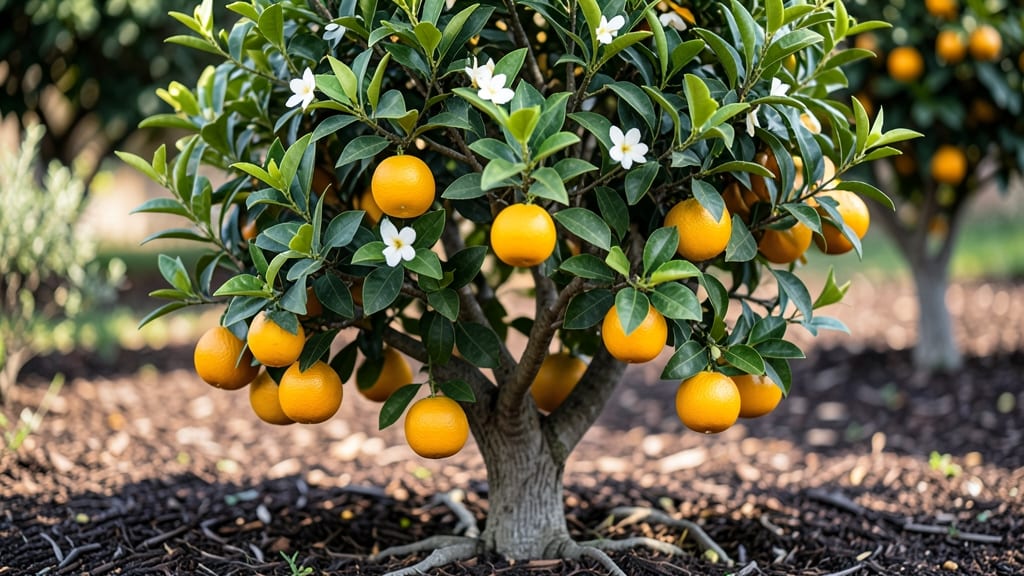
Tangerine fruit is a small, sweet citrus hybrid between mandarins and pomelos, known for its easy-to-peel skin and juicy, seedless segments. Unlike oranges, tangerines ripen fully on the tree and have a lower acidity, making them naturally sweeter and easier to enjoy fresh.
Tangerines are often called nature's candy because their bright orange-red hue and sugar-forward flavor make them irresistible. 🌟 Unlike their thicker-skinned orange cousins, tangerines belong to the Citrus reticulata species, which includes clementines and satsumas, and their seeds are typically fewer or nonexistent.
This hybrid origin explains why they're easier to peel and less likely to leave bitter residue behind. Gardeners love them because they thrive in warmer climates and produce fruit year-round when properly cared for.
What sets tangerines apart isn't just their taste but their growing habits. These trees prefer well-draining soil and full sun, making them perfect for Mediterranean or subtropical regions.
The key to their success lies in their adaptability—they can handle slightly cooler temperatures than other citrus varieties, which is why they're so popular in California and Florida orchards.
💡 In This Article
- The Genetic and Botanical Roots of Tangerines
- Growing Tangerine Trees: Climate, Soil, and Care Tips
The genetic and botanical roots of tangerines
Tangerines emerged through natural hybridization between two distinct citrus species: the sweet, easy-to-peel mandarin orange (Citrus reticulata) and the larger, thick-skinned pomelo (Citrus maxima).
This crossbreeding likely occurred in Southeast Asia around 100-200 years ago, where warm climates and diverse citrus varieties created ideal conditions for genetic mixing. The resulting fruit combined mandarin's small size and sweetness with pomelo's disease resistance and larger fruit potential.
The defining genetic trait that makes tangerines unique is their thin, loose skin—a characteristic inherited from mandarins.
Unlike oranges, which have a tougher rind due to higher pectin content, tangerine skin contains 10-15% less pectin, making it easier to peel. 🌱 Scientists also note that tangerines produce fewer seeds (often none) because their hybrid genome stabilizes more efficiently than pure citrus species.
This trait is particularly valuable for commercial growers, as seedless varieties are more desirable for fresh consumption.
Botanically, tangerines are classified under Citrus reticulata, which includes varieties like clementines and satsumas. What distinguishes them from oranges (Citrus sinensis) is their lower acidity level (0.2-0.4% citric acid) compared to oranges' 0.8-1.2%. This lower acidity contributes to their sweeter, more approachable flavor profile.
The hybrid nature also means tangerines have a shorter growing season—typically 6-8 months from flowering to harvest—compared to oranges, which can take up to 12 months.
One fascinating aspect of tangerine genetics is their polyembryonic trait, where multiple embryos develop from a single seed.
This means nursery-grown tangerine trees are often genetically identical to the parent plant, ensuring consistent fruit quality. 💡 In contrast, oranges and many other citrus varieties are monoembryonic, meaning each seed produces a unique plant with potential variations in fruit characteristics.
This genetic consistency is why tangerines are favored in commercial orchards worldwide.
Tangerines also exhibit a unique ripening process. Unlike oranges, which often require post-harvest treatment to soften, tangerines ripen fully on the tree. Their skin color shifts from green to vibrant orange-red due to increased lycopene production, a pigment that enhances both color and sweetness.
This on-tree ripening makes them easier to harvest at peak flavor, reducing the need for artificial ripening methods used with some citrus varieties.
Consider these key genetic and botanical differences when choosing tangerines:
- Skin thickness: Tangerines have 30% thinner skin than oranges, making them easier to peel
- Acidity level: 60-80% less acidic than oranges, resulting in sweeter taste
- Seed presence: Often seedless due to hybrid stability, unlike many orange varieties
- Ripening process: Ripens fully on tree, unlike oranges that often need post-harvest treatment