
Vegetables
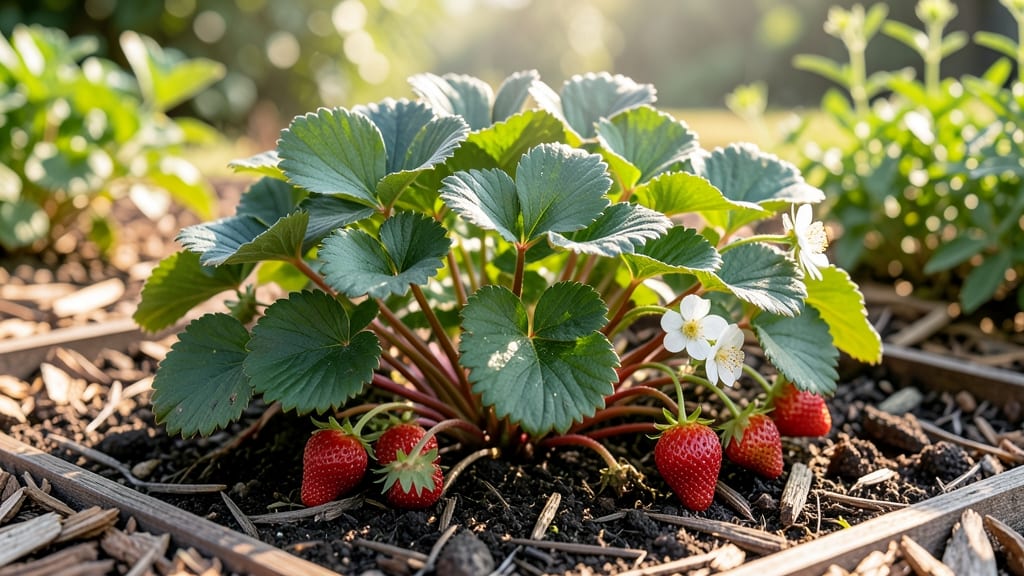
Strawberries produce fruit in their second year after planting, with timing that depends on the variety and climate — June-bearing types deliver a single big harvest in late spring, while everbearing and day-neutral varieties spread fruit over months.
Ever wondered why your strawberry plants aren’t fruiting—or when to expect those sweet, juicy berries? The answer lies in understanding their precise growth cycle, which varies dramatically by climate and variety.
For USDA Zone 6a gardeners like me, June-bearing strawberries 🍓 typically fruit between June and July, while everbearing types may produce two smaller harvests: one in early summer and another in fall. Day-neutral varieties, on the other hand, keep giving fruit all season long.
Below, I’ll break down the exact month-by-month timeline for each type, plus the key factors that determine when (and if) your plants will bear fruit—so you can plan ahead for a bountiful harvest.
Strawberry plant growth stages: when do they actually produce fruit?
Strawberries follow a precise growth cycle that determines when they produce fruit, and understanding these stages helps you predict harvest times. Most strawberries go through three main phases: dormancy, vegetative growth, and fruiting.
The timing varies by variety type—June-bearing, everbearing, or day-neutral—and your local climate. Knowing these stages lets you plan for optimal fruit production year after year.
June-bearing varieties, like Chandler or Jewel, produce a single massive crop in late spring to early summer (June in many regions). Everbearing types, such as Ozark Beauty, yield two smaller harvests: one in early summer and another in fall.
Day-neutral varieties, like Albion, continuously produce fruit throughout the growing season. Each type has a unique fruiting timeline that aligns with temperature and daylight cues.
| Variety Type | Fruiting Season | Key Growth Stages | Harvest Window |
|---|---|---|---|
| June-bearing | Late spring/early summer | Dormancy → Runners → Flowering → Fruit | June–July (peak) |
| Everbearing | Early summer + fall | Dormancy → Early flowers → Summer fruit → Fall fruit | June + September–October |
| Day-neutral | Continuous (spring–fall) | Dormancy → Runners → Flowers → Fruit (repeats) | May–October (gradual) |
For June-bearing strawberries, the cycle starts with dormancy in winter, followed by new leaf growth in spring (March–April). By May, they produce flower buds, which bloom in late May to early June.
Fruit develops over 30–45 days, with harvests peaking in June and July. After fruiting, the plant focuses on producing runners (new plants) for next year’s crop.
Everbearing varieties follow a similar early spring growth pattern but differ in their second fruiting cycle. After the initial summer harvest (June), they enter a vegetative rest period in late summer.
When temperatures drop in September or October, they produce a second flush of flowers, leading to a fall harvest. This dual cycle makes them ideal for extended harvests but requires careful pruning and care.
Day-neutral strawberries are the most flexible, producing fruit continuously from spring to fall as long as temperatures stay above 40°F. They don’t rely on seasonal cues like June-bearing types but instead produce flowers and fruit whenever conditions are right.
This makes them perfect for container gardening or short-season climates, where traditional varieties might struggle.
Your local climate zone plays a critical role in strawberry fruiting times. In USDA Zones 5–7, June-bearing varieties typically fruit in late May to June, while everbearing types may produce a fall crop in September or October.
In warmer Zones 8–10, fruiting can start as early as April and extend into November, especially for day-neutral varieties. Always check your last frost date to align planting with optimal fruiting windows.
One common misconception is that strawberries fruit in their first year. While some everbearing and day-neutral varieties may produce a few berries, they typically peak in their second or third year. This is because the plant needs time to establish a strong root system and crown.
In the first year, focus on healthy leaf growth and proper care to set the stage for abundant fruit later.
To maximize fruit production, provide 6+ hours of sunlight daily and well-draining soil with a pH of 5.5–6.8. Mulch around plants to retain moisture and suppress weeds, and fertilize lightly in spring and early summer with a balanced 10-10-10 fertilizer.
Avoid over-fertilizing, as this can lead to excessive leaf growth at the expense of fruit.
If your strawberries aren’t fruiting, check for adequate sunlight, proper pruning, and absence of pests or disease. Remove old leaves after harvest to redirect energy to new growth, and consider replacing old plants every 3–4 years to maintain productivity.
With the right care, you’ll enjoy a bountiful harvest tailored to your strawberry variety and climate.
Climate-specific strawberry fruit production timeline
Strawberries are famously finicky about timing—what works in USDA Zone 7 may fail in Zone 10. The key to success lies in matching your variety type (June-bearing, everbearing, or day-neutral) with your local climate.
For example, June-bearing varieties thrive in cooler northern zones, while day-neutral types stretch harvests in warm southern regions. Let’s break down when to expect fruit based on your hardiness zone.
Your strawberry plants’ fruiting schedule depends on two critical factors: temperature triggers and day length sensitivity. In colder zones (3–5), strawberries often need chilling hours (300–1,000 hours below 45°F) to flower, while warmer zones (8–10) may produce year-round with proper care.
Understanding these patterns helps you plan for spring flushes, summer crops, or fall harvests.
- 1. Zones 3–5 (Cold Climates): June-bearing varieties fruit in late May–July after winter chilling. Everbearing types may produce a small fall crop in September.
- 2. Zones 6–7 (Temperate): June-bearing types fruit June–August, while everbearing varieties offer two harvests: spring (April–May) and fall (September–October).
- 3. Zones 8–9 (Warm Climates): Day-neutral varieties produce year-round fruit, with peaks in spring and fall. Summer heat may reduce yields unless shaded.
- 4. Zone 10 (Tropical): Strawberries thrive with fall/winter harvests (November–March). Summer planting avoids heat stress, ensuring cool-season fruit.
If you’re in Zone 6 or 7, everbearing varieties like ‘Seascape’ or ‘Tristar’ are game-changers—they deliver two harvests per year with minimal effort. Meanwhile, gardeners in Zone 9–10 should opt for day-neutral types like ‘Albion’ or ‘Fort Laramie’ to avoid summer dormancy.
One common mistake? Planting June-bearing varieties in warm climates—they’ll bolt to flower too early and produce small, poor-quality berries. Instead, choose day-neutral or everbearing types that sync with your local growing season. For example, in Zone 8, plant in early fall for winter harvests, not spring.
To maximize your harvest, time your fertilizer applications with fruiting windows. In Zones 3–5, feed in early spring (March–April) to fuel June–July fruit. In Zones 8–10, split feeds into fall and spring to support cool-season production.
Always water deeply in the morning to prevent fungal diseases during humid fruiting periods.
Now that you know when to expect fruit, your next step is to adjust care based on your zone. For instance, mulch heavily in Zone 5 to protect roots from freeze-thaw cycles, while shade cloth in Zone 10 keeps berries from sunburn during summer.
With the right variety and timing, you’ll enjoy homegrown strawberries for months—not just one brief harvest! 🍓