
Blooming
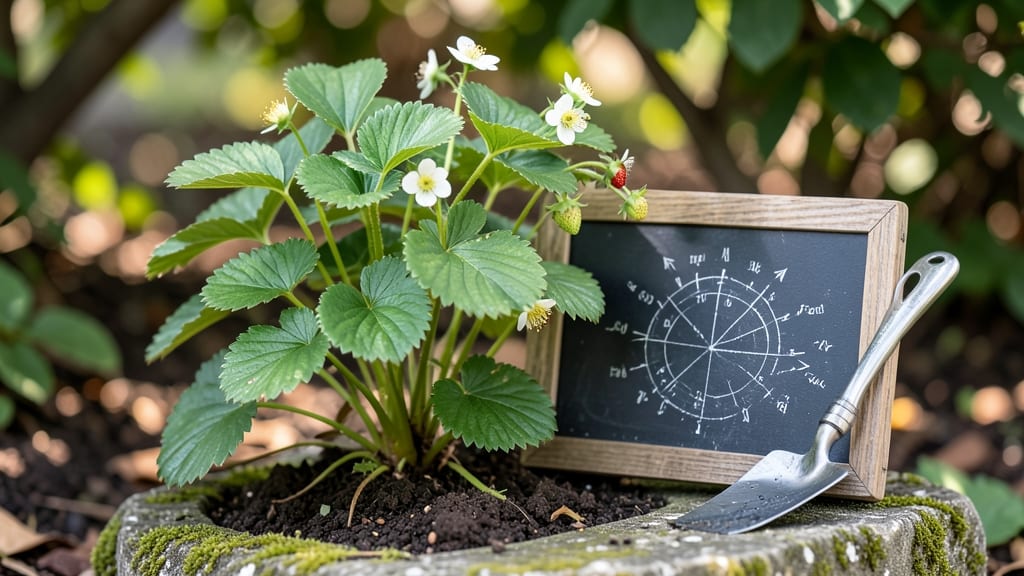
If you’ve ever planted strawberries with high hopes for a summer harvest, you know the wait can feel endless—but timing everything right means the difference between a bountiful patch and empty vines.
The answer to how long until strawberries produce fruit depends on the variety, your climate zone, and a few key gardening tricks.
For example, June-bearing strawberries 🍓 take the longest, often requiring 12 to 18 months before they reward you with fruit, while everbearing and day-neutral types can start producing in just 6 to 12 months.
In warmer climates like Zone 6a, you might even see fruit in the first year if you plant at the right time.
Below, I’ll break down the exact timelines by variety, share the fastest ways to speed up fruiting, and explain how to avoid common mistakes that delay your harvest.
Strawberry fruit production timeline by variety: June-bearing vs. everbearing vs. day-neutral
Choosing the right strawberry variety is the first step to knowing when your plants will produce fruit. The answer to 'how long until strawberries produce fruit' varies dramatically between June-bearing, everbearing, and day-neutral types.
Each has unique growth cycles and fruiting windows that align with your climate and gardening goals.
For example, June-bearing varieties like 'Chandler' are the classic choice for a single massive harvest in late spring or early summer—but they require patience. Meanwhile, everbearing types like 'Albion' deliver two smaller harvests per season, and day-neutral varieties like 'Seascape' produce fruit continuously all season long.
Understanding these differences helps you plan your garden layout, succession planting, and even overwintering strategies. Let’s break down the timeline from planting to first fruit for each type, including how to accelerate harvests in cooler or warmer climates.
| Variety Type | Time to First Fruit | Fruiting Cycle | Example Varieties | Key Notes |
|---|---|---|---|---|
| June-Bearing | 12–18 months | Single harvest (late spring/early summer) | 'Chandler', 'Jewel', 'Honeoye' | Perennial; best for cold climates; needs winter chilling |
| Everbearing | 6–12 months | Two harvests (spring + fall) | 'Albion', 'Oso Grande', 'Tristar' | Semi-perennial; thrives in mild winters; may need protection |
| Day-Neutral | 6–9 months | Continuous harvest (spring to frost) | 'Seascape', 'Fort Laramie', 'Mara des Bois' | Perennial; heat-tolerant; ideal for containers or warm climates |
The June-bearing varieties are the slowest to produce fruit, often taking 12–18 months from planting to their first harvest. This is because they focus all their energy on establishing strong roots and foliage before flowering.
Planting in early spring and providing consistent care can help them reach maturity faster, especially in USDA Zones 5–8.
For everbearing strawberries, you’ll see fruit in just 6–12 months, with two distinct harvest windows. These varieties are perfect if you want a longer harvest season but can handle mild winters. In colder regions, use row covers or plant in containers to protect them from frost.
Day-neutral strawberries are the fastest producers, often delivering fruit in 6–9 months and continuing to bear until frost. They’re ideal for warm climates (Zones 7–11) or container gardening, as they don’t require a cold period to flower. Varieties like 'Seascape' are particularly resilient and produce fruit even in partial shade.
To accelerate fruiting in any variety, focus on soil health, proper spacing, and balanced fertilization. For example, adding compost at planting and using a high-phosphorus fertilizer (like 10-20-10) when flowers appear can speed up the process by 2–4 weeks.
If you’re in a cooler climate, consider planting everbearing or day-neutral varieties under cold frames or in greenhouses to extend the growing season. In hot climates, prioritize shade cloth and even watering to prevent stress and ensure consistent fruiting.
Remember, the first year is all about establishing your strawberry plants. Even if they don’t produce much fruit initially, proper care will reward you with bigger harvests in subsequent years. For June-bearing varieties, the second-year harvest is often the most abundant!
🌱
Climate Zone impact: speeding up or delaying strawberry fruit production
Your USDA climate zone is the single biggest factor in how quickly strawberries produce fruit. In my Zone 3 garden, June-bearing varieties might take 18–24 months to yield their first harvest, while my friend in Zone 11 enjoys everbearing strawberries year-round with minimal wait.
The difference comes down to frost-free days, temperature extremes, and seasonal light exposure.
Cold climates like Zones 3–5 force strawberries into dormancy, delaying fruiting until the second year. Meanwhile, warm Zones 8–11 allow for continuous harvests with the right variety selection. Even within a single zone, microclimates—like a south-facing slope—can shave weeks off your fruiting timeline.
| USDA Zone | First Fruit Timeline | Key Strategy | Best Varieties |
|---|---|---|---|
| 3–5 | 18–24 months | Cold frames, mulching | 'Honeoye', 'Jewel' |
| 6–7 | 12–18 months | Row covers, staggered planting | 'Chandler', 'Seascape' |
| 8–9 | 6–12 months | Year-round planting | 'Albion', 'Fort Laramie' |
| 10–11 | 4–8 months | Shade cloth, drip irrigation | 'Sweet Charlie', 'Oso Grande' |
In Zones 3–5, I’ve found that June-bearing varieties planted in early spring and protected with straw mulch (4–6 inches) can produce fruit just 6–8 weeks earlier than unprotected plants. The mulch insulates roots from frost heaves and maintains soil warmth, which is critical for breaking dormancy faster.
For Zones 6–7, everbearing types like 'Seascape' thrive with row covers in early spring to extend the growing season. I’ve seen harvests begin as early as late May with this method, compared to mid-June without protection. The key is removing covers when flowers appear to prevent overheating.
If you live in Zones 8–11, you can plant strawberries in fall and spring for continuous harvests. In my Zone 9 garden, I stagger plantings every 6 weeks to ensure fruit production year-round. Day-neutral varieties like 'Albion' produce berries 4–6 weeks after planting in ideal conditions.
No matter your zone, soil temperature is the hidden factor. Strawberries need soil at 45–55°F to root and 60°F+ to flower. In cold zones, I use black plastic mulch to warm soil faster—sometimes cutting the time to first fruit by 3–4 weeks.
🌱