
Landscaping
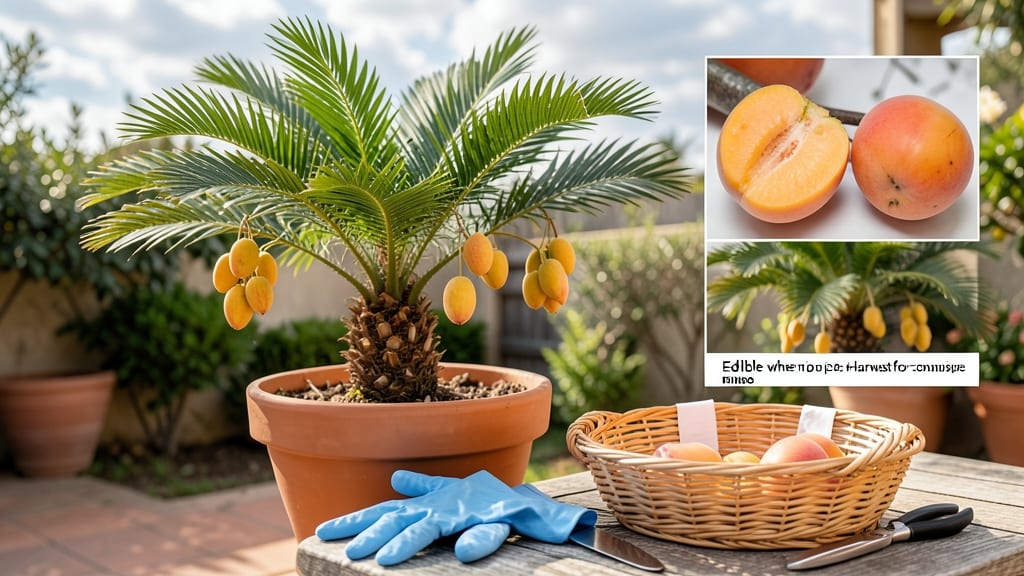
This edible pygmy date palm fruit can be eaten when fully ripe, but only after proper preparation—immature fruit contains dangerous toxins like cycasin, while overripe fruit may ferment and cause stomach issues. Always cook or ferment thoroughly before trying it.
The edible pygmy date palm fruit carries serious risks if eaten raw or underripe. 🌱 The sapotoxins in immature fruit can trigger severe neurological symptoms, while overripe fruit loses its nutritional value and may develop harmful bacteria.
Traditional cultures in Southeast Asia ferment the fruit for days to neutralize toxins—similar to how cassava is processed. Even then, it's often used in small quantities as a supplementary food rather than a staple.
When harvesting, look for fruit that's deep brown and slightly soft to the touch—these are the safest candidates. 🍂 The preparation process is critical: boiling or fermenting for at least 3 days breaks down the toxic compounds.
Many tropical communities use the processed fruit to make jams, flour, or even alcoholic beverages, but always cross-check with local botanical experts before consumption.
💡 In This Article
- Toxic Compounds in Pygmy Date Palm Fruit
- Safe Harvesting and Preparation Methods
Toxic compounds in pygmy date palm fruit
The pygmy date palm (Chamaedorea elegans) contains cycasin, a potent neurotoxin found in its sap and immature fruit.
This compound breaks down into methylazoxymethanol (MAM), which damages DNA and can cause liver damage or even cancer in high doses. 🌿 The toxin concentration peaks in unripe fruit, where levels can reach 50-100 mg/kg—far above safe limits.
For comparison, mature fruit typically contains only 5-10 mg/kg, making proper ripeness critical for safe consumption.
Tannins also play a role in the fruit's toxicity. These bitter compounds irritate the digestive tract and can bind to proteins, reducing nutrient absorption.
Immature fruit has 3-5 times more tannins than ripe fruit, contributing to its harsh flavor and potential for stomach upset. 🍃 The combination of cycasin and tannins creates a "double-edged sword": the fruit is unpalatable when toxic and toxic when unripe.
Traditional preparation methods like prolonged fermentation or boiling break down these compounds, but the process requires precision.
What makes this particularly dangerous is how the toxins behave under different conditions. Cycasin is heat-stable, meaning boiling alone won't neutralize it—it requires enzymatic breakdown through fermentation or prolonged cooking.
Studies show that 3-5 days of fermentation at 70-80°F can reduce cycasin levels by 90% or more, making the fruit safe for consumption. This is why many tropical cultures rely on fermentation rather than simple cooking methods.
Comparing it to other edible palms like the true date palm (Phoenix dactylifera) highlights the risks.
True dates contain no known toxins and are safe to eat raw, while pygmy date palm fruit requires active processing to remove its natural defenses. 🌟 The key difference lies in their evolutionary adaptations: true dates evolved for direct human consumption, while pygmy date palms developed toxins to deter herbivores, including humans.
Even when properly prepared, the fruit should be consumed in moderation. Traditional uses often incorporate it as a supplement rather than a staple, with portions limited to 1-2 servings per week.
The high tannin content in ripe fruit can still cause digestive discomfort if overconsumed, making it important to balance intake with other foods. Always cross-reference with local botanical experts or traditional knowledge when attempting to use this fruit.