I still remember the first time I dug my hands into soil as a kid in my grandmother’s garden in upstate New York—how the earth smelled after rain, how the sun warmed my shoulders as I pulled up carrots. That moment stuck with me, and now, years later, I’m here to share the joy of growing your own food, whether you’ve got a backyard plot or just a sunny windowsill. This site is my way of passing along the lessons I’ve learned: the patience it takes, the little tricks that make all the difference, and the quiet satisfaction of harvesting something you’ve nurtured yourself.
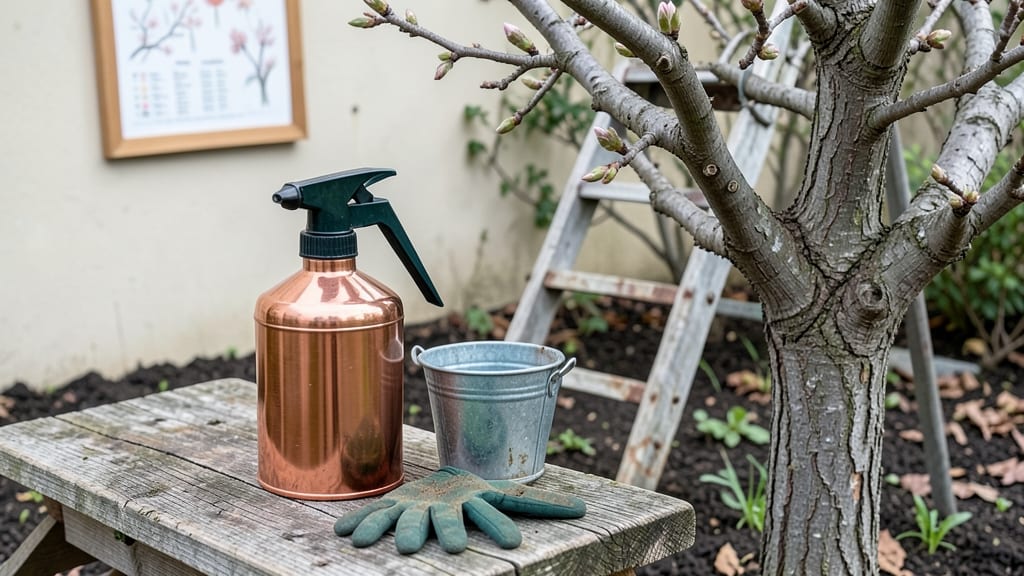
Spraying copper on fruit trees at the right time stops fungal diseases like blight and scab before they take hold— and the best window is just before buds swell in late winter . Picture this: You’ve spent months…
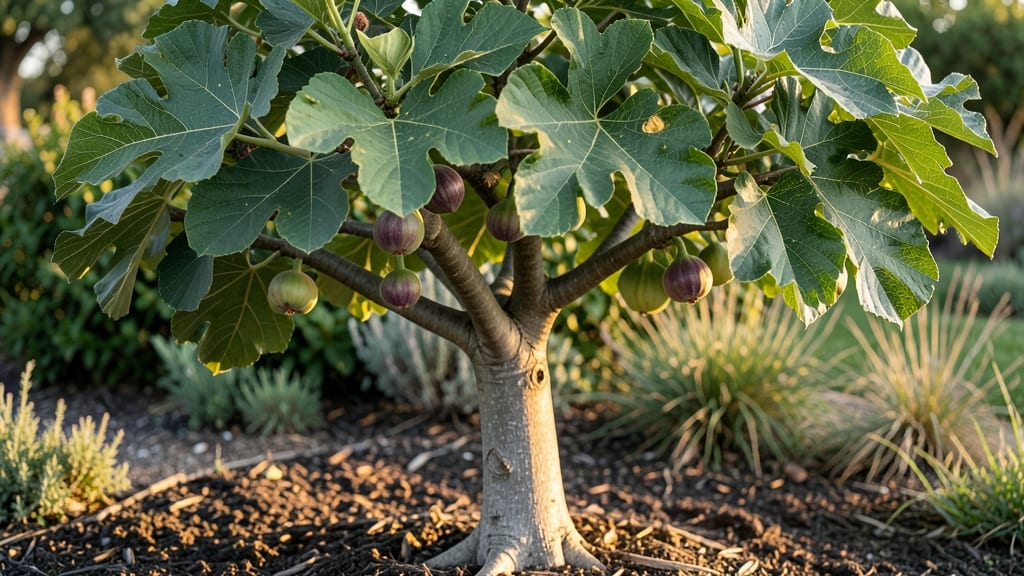
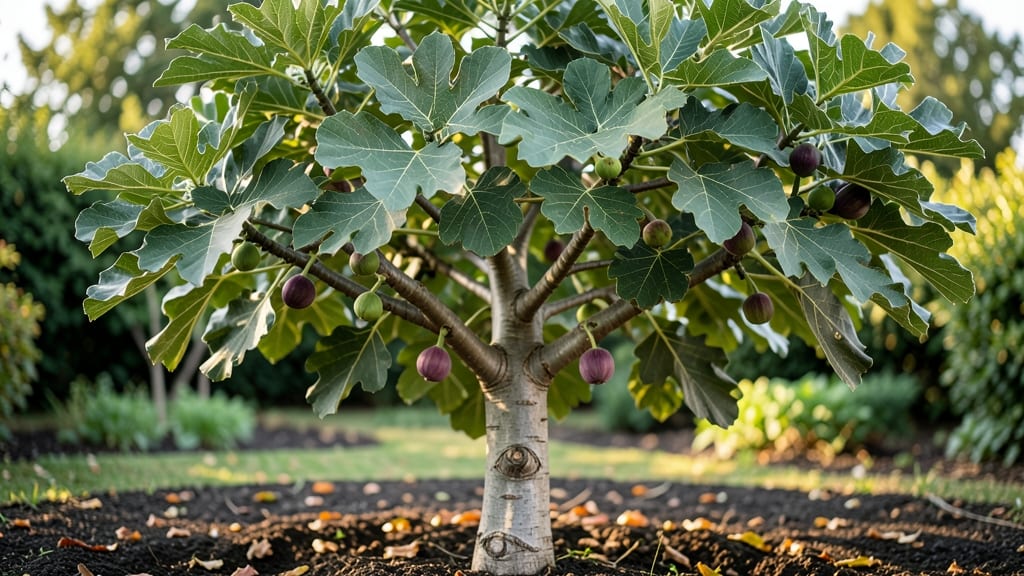
💥 Quick Answer A fig tree will bear fruit within 2 to 4 years after planting, though some varieties—especially dwarf types—can produce as early as 1 to 2 years . Mature trees typically yield heavily in spring and fall…
Fig trees produce fruit only after breaking dormancy —and for most varieties, that means waiting 2 to 5 years before your first harvest. If you’ve planted a fig tree hoping for sweet, sun-ripened fruit but only see lush…
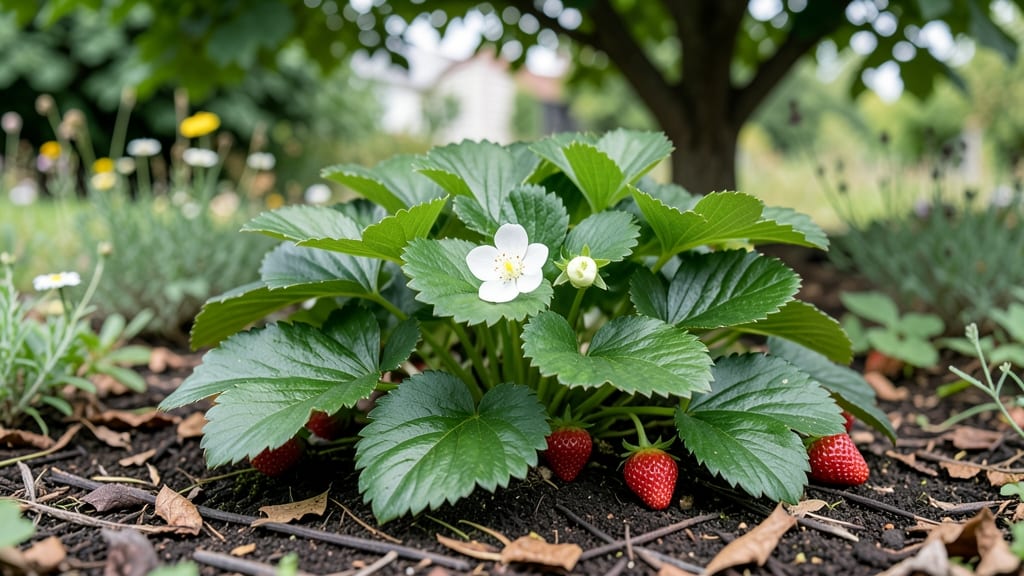
💥 Quick Answer Your strawberry plant will produce fruit 90 to 120 days after transplanting , depending on the variety—June-bearing types fruit once in early summer, everbearing varieties yield two harvests (spring and…
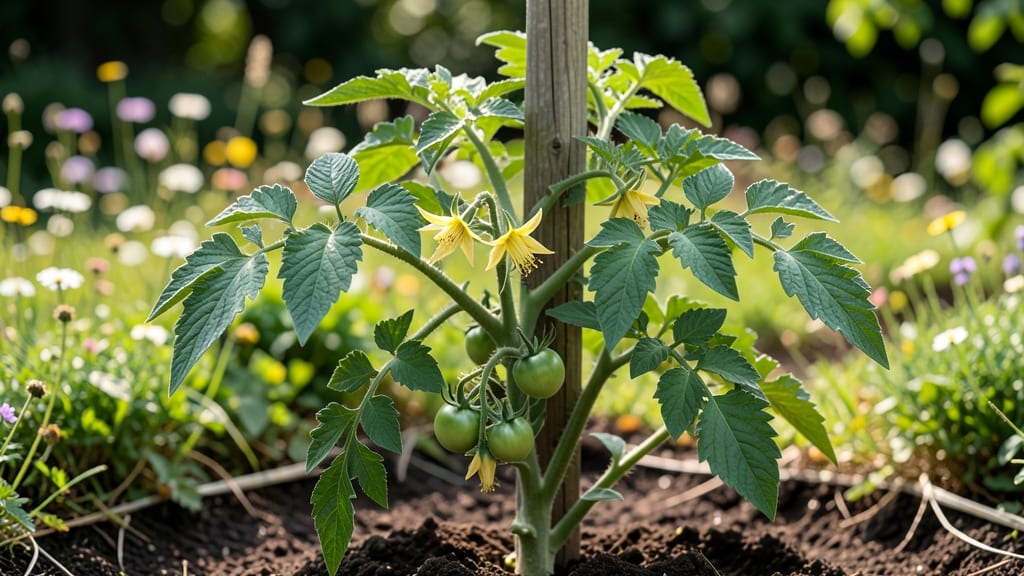
Tomatoes will start fruiting anywhere from 50 to 90 days after planting 🍅, but the exact timing depends on your variety, climate, and growing conditions. Picture this: you’ve nurtured your seedlings through frost…
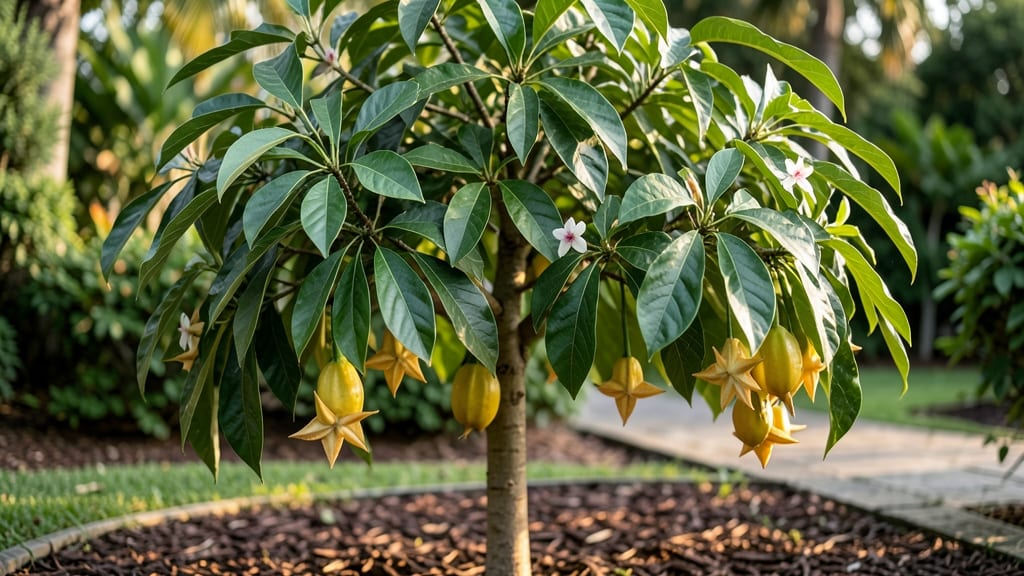
💥 Quick Answer Starfruit grows primarily in tropical regions where warm temperatures, high humidity, and abundant sunlight create ideal growing conditions. The most productive areas include Southeast Asia, Central…
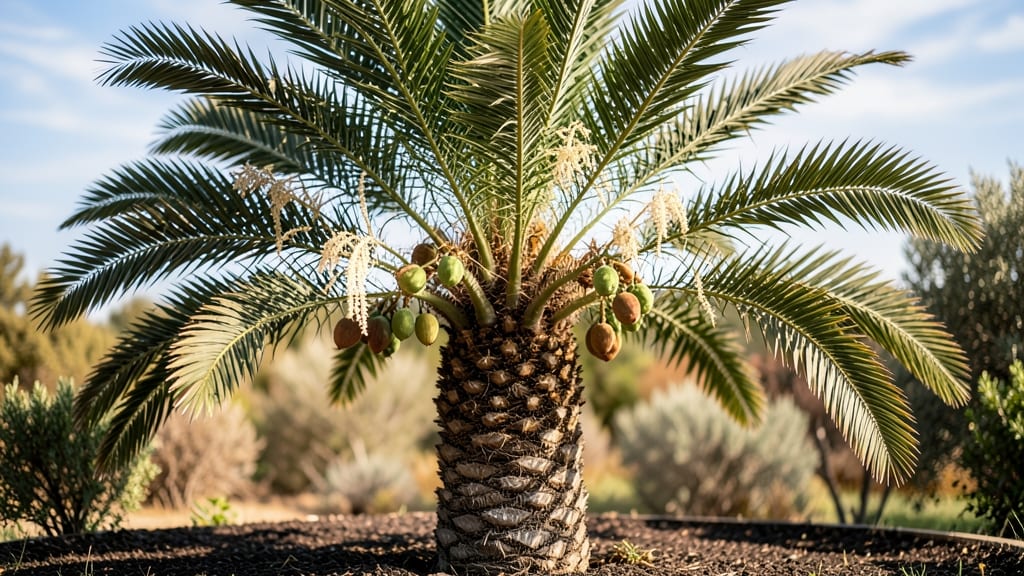
💥 Quick Answer Dates come from fruit where date palm trees' creamy yellow blossoms undergo pollination, forming clusters of woody pits that mature into sweet, edible dates within 3-6 months. These sweet treats start…
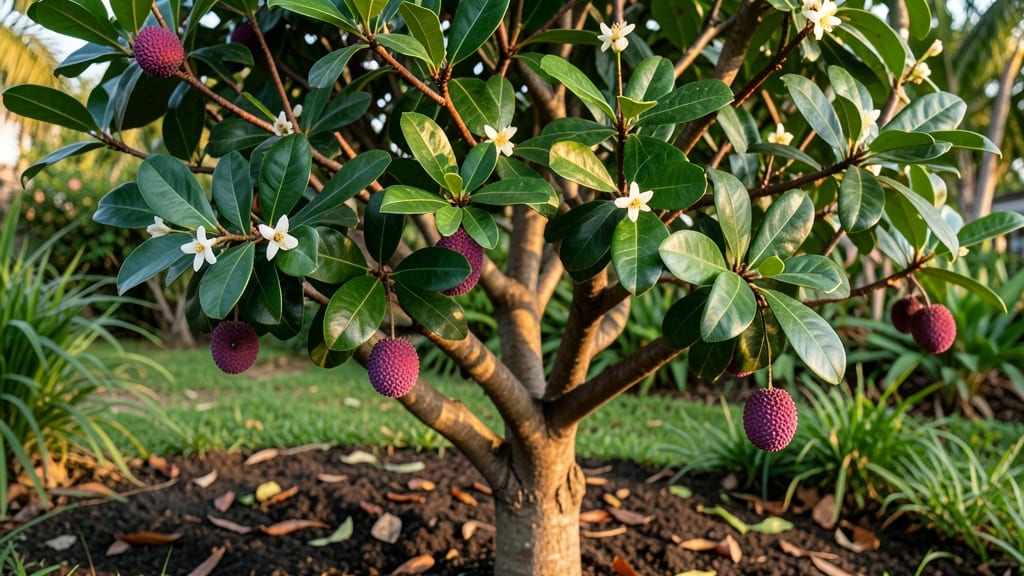
💥 Quick Answer Lychee fruit comes from southern China, specifically the Guangdong and Fujian provinces, where native varieties grew wild for centuries before becoming widely cultivated across Asia and tropical climates…
💥 Quick Answer Guava fruits thrive in tropical and subtropical climates, where warm temperatures, high humidity, and well-drained soil create ideal growing conditions. Originally from Central America, they're now widely…
💥 Quick Answer Passion fruit comes from South America's subtropical regions, particularly southern Brazil and Paraguay, where it grew wild before becoming a globally cultivated crop. Its botanical name, Passiflora…