
Propagation
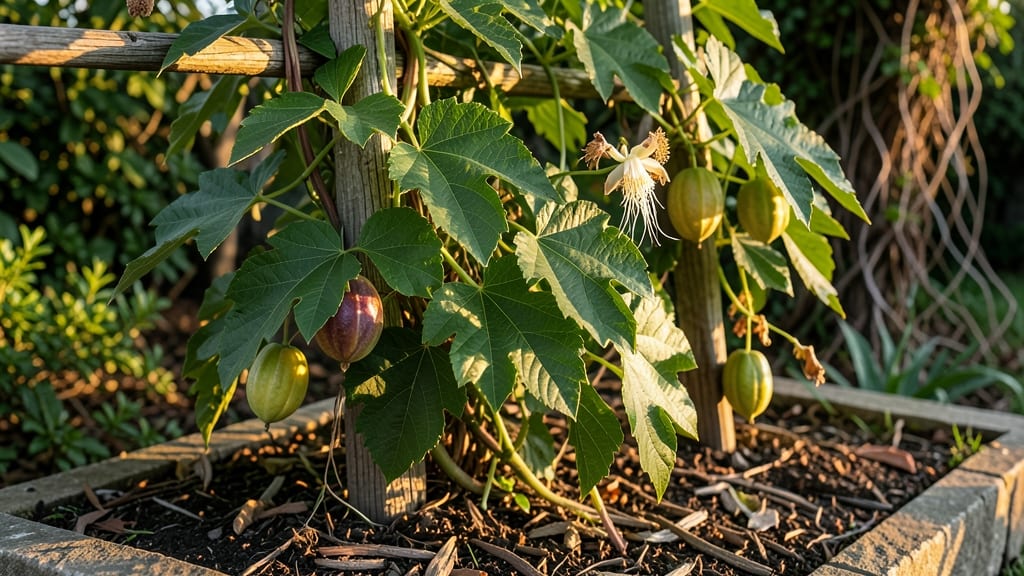
Passion fruit comes from South America's subtropical regions, particularly southern Brazil and Paraguay, where it grew wild before becoming a globally cultivated crop. Its botanical name, Passiflora, highlights the flower's complex structure that inspired its name.
This tropical fruit's journey began in South America's lush forests, where it adapted to warm climates and thrived on vines. 🌿 The name "passion fruit" comes from its striking flower, which European missionaries in the 16th century linked to religious symbols.
Today, Brazil remains the world's top producer, while countries like Kenya and Australia have embraced it for its versatility in both fresh and processed forms.
What makes passion fruit so fascinating is how its native habitat shaped its growth patterns. The plant's tendrils need sturdy supports to climb, and its fruits ripen best in full sun with well-draining soil.
Many gardeners successfully grow it in home landscapes by providing similar conditions—trellises for support and regular watering during dry spells.
💡 In This Article
- The Botanical Origins of Passion Fruit in South America
- Global Passion Fruit Cultivation Hotspots Today
The botanical origins of passion fruit in South America
Passion fruit's story begins in the dense subtropical forests of southern Brazil and Paraguay, where the wild Passiflora edulis species evolved over centuries.
This region's warm 20-30°C (68-86°F) climate and high humidity created the perfect conditions for its vine-like growth habit, allowing it to climb trees and shrubs up to 10 meters (33 feet) high.
The plant's name comes from its extraordinary flower, which features 50+ stamens arranged in a radial pattern that European missionaries in the 16th century compared to the Crown of Thorns.
The fruit's thick, leathery rind protects the vibrant orange or purple pulp inside, which contains hundreds of tiny seeds. This adaptation helped the plant survive in its native habitat by protecting the seeds from predators and environmental damage.
Indigenous peoples in South America were the first to cultivate passion fruit, using it both as a food source and in traditional medicine for its anti-inflammatory properties. The pulp's high vitamin C content (about 30mg per 100g) made it particularly valuable in their diets.
What makes passion fruit unique is how its growth cycle aligns with the region's climate. The vines produce flowers year-round in tropical conditions, but in subtropical areas like southern Brazil, flowering peaks during spring and summer months when temperatures consistently stay above 18°C (64°F).
This adaptation allowed the plant to thrive even as it spread to slightly cooler regions. The fruit's sweet-tart flavor profile developed as an evolutionary advantage, attracting animals that would disperse the seeds through their digestive systems.
European explorers first documented passion fruit in the 16th century, bringing it to other continents where it adapted to new climates. The plant's ability to cross-pollinate easily led to the development of different varieties, including the more common yellow passion fruit and the deeper-colored purple passion fruit.
Today, these original South American varieties remain the genetic foundation for most cultivated passion fruits worldwide. 🌿
One fascinating aspect of passion fruit's native ecology is its relationship with pollinators. While bees play a role, the plant's primary pollinators are actually small native bees and even hummingbirds in some regions.
This specialized pollination system contributed to the fruit's genetic diversity in its original habitat, creating the complex flavor profiles we enjoy today. The plant's ability to thrive in both wild and cultivated conditions demonstrates its remarkable adaptability from the very beginning.
Understanding passion fruit's South American origins helps explain why it performs best in warm climates today. The plant's native growing conditions—well-draining soil, plenty of sunlight, and consistent moisture—remain ideal for cultivation whether in commercial farms or home gardens.
This botanical heritage is why passion fruit continues to thrive in regions that replicate its original subtropical environment. 🌱