
Planting
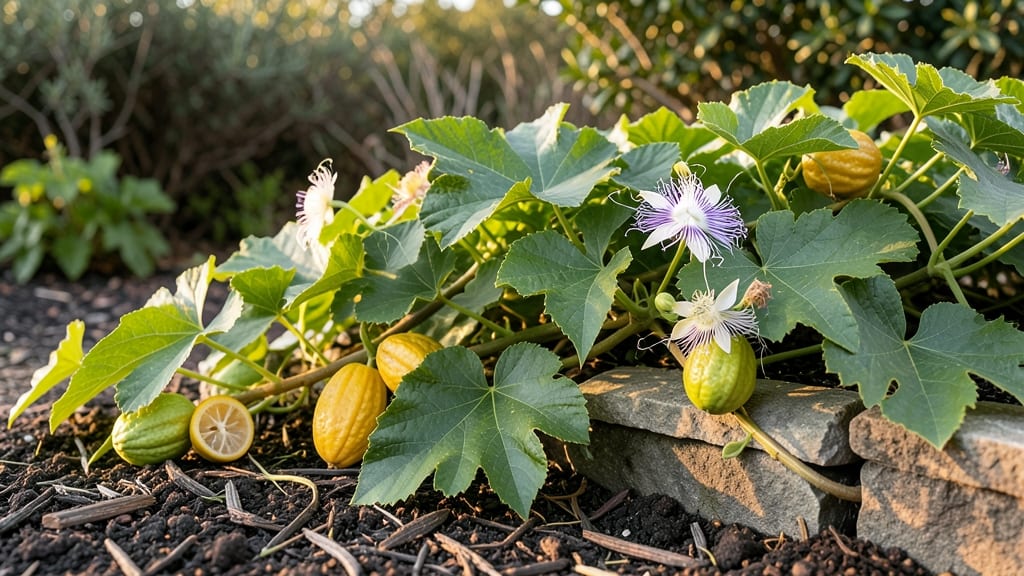
Growing yellow passion fruit means tangy, sweet-tart fruit straight from your vine—when you nail the right conditions. 🌱 My first crop taught me that patience and proper care turn this tropical beauty into a reliable producer, even in warmer climates. The key? Mimicking its native rainforest environment without overcomplicating things.
These vines thrive in well-draining, slightly acidic soil (think 6.0-7.0 pH) and need full sun—at least 6-8 hours daily. They climb aggressively, so provide a sturdy trellis or fence. The real secret? Consistent moisture—they hate drought but can’t sit in soggy soil.
With the right setup, you’ll see fruit set within 12-18 months, and once established, they reward you with harvests year-round in frost-free zones.
📚 In This Guide
- What you need
- Instructions
- Tips and common mistakes
- Wrapping up and next steps
What you need
- ● Yellow passion fruit seeds or grafted plants: 1–3 (choose disease-resistant varieties like 'Panama Gold' or 'Golden Sweet').
- ● Well-draining potting mix: 5–10 gallons (blend coconut coir, perlite, and compost for optimal aeration).
- ● Container or garden space: Containers: 15–20 gallon pots (with drainage holes) for each plant.
- ● Garden beds: Full sun (6+ hours/day) and fertile, slightly acidic soil (pH 6.0–7.5).
- ● Support structure: 8–10 ft trellis, fence, or sturdy stakes (passion vines are vigorous climbers!).
- ● Organic fertilizer: Balanced 10-10-10 or citrus-specific blend (apply at planting and monthly).
- ● Mulch: 2–3 inches of straw or wood chips (retains moisture and suppresses weeds).
- ● Hand trowel or transplanting spade (for planting seeds/saplings).
- ● Pruning shears (sterilized with rubbing alcohol for cuts).
- ● Watering can or hose with gentle spray nozzle (avoid wetting foliage to prevent disease).
- ○ pH testing kit (optional but helpful for soil adjustments).
- ● Frost cloth or row covers (if growing in cooler climates; passion fruit thrives in USDA zones 8–11).
- ● Slow-release fertilizer tablets for containers.
- ● Drip irrigation system (automates watering and saves time).
- ● Compost tea or seaweed extract (boosts microbial activity in soil).
- ● Pollination aid: Soft paintbrush (if growing indoors or in low-bee areas).
Step-by-step instructions for cultivating yellow passion fruit vines
Here's how I grow lush, productive yellow passion fruit vines that burst with flavor—no guesswork involved.
🌱 Step 1: Select and Prepare the Right Growing Site
Yellow passion fruit thrives in full sun with at least 6-8 hours of direct light daily. Choose a spot sheltered from strong winds, as the vines can reach 15-20 feet and need sturdy support. I always test the soil first—ideal pH is 6.0-7.0. If your soil is heavy clay, mix in 3-4 inches of compost to improve drainage.
For containers, use a large pot (at least 15 gallons) with drainage holes. Fill with a mix of 50% potting soil, 30% perlite, and 20% coconut coir to mimic well-draining tropical conditions. Passion fruit roots are shallow but sprawling, so depth matters more than width.
☀️ Step 2: Plant or Transplant with Proper Spacing
If starting from seed, soak seeds in warm water for 24 hours before planting to speed germination. Sow ½ inch deep in well-drained soil and keep moist until sprouts appear (7-14 days). For established plants, space 8-10 feet apart in the ground or use a strong trellis system for vertical growth.
I always bury the stem slightly deeper than in the nursery pot—this encourages stronger root development. Water deeply after planting to settle the soil around roots, but avoid waterlogging. Yellow passion fruit is drought-tolerant once established, but young plants need consistent moisture for the first 6-8 weeks.
💧 Step 3: Water and Fertilize for Optimal Growth
Water deeply 2-3 times per week during the first growing season, then taper to once weekly once established. You’ll know it’s time when the top 2 inches of soil feel dry. Overwatering causes root rot, while underwatering stresses the plant—both lead to poor fruiting.
Feed monthly during spring and summer with a balanced 10-10-10 fertilizer, then switch to a low-nitrogen, high-phosphorus (5-10-10) formula when flowers appear. I also top-dress with aged compost twice a year to boost organic matter. Prune leggy growth in early spring to redirect energy into fruit production.
✂️ Step 4: Prune and Train for Maximum Yield
Prune new growth back by ⅓ in late winter to encourage bushier vines and more flowers. Remove dead or diseased branches immediately—they spread fungal issues quickly. I also thin out crowded stems to improve airflow, which prevents black rot, a common problem.
Train vines along a strong trellis or fence using soft ties. Avoid metal staples—they can damage bark. Harvest only when fully ripe (bright yellow, slightly soft to touch)—green fruit won’t ripen off the vine. Regular pruning keeps vines manageable and boosts fruit quality.
🍊 Step 5: Harvest and Extend the Season
Pick fruit gently by twisting to avoid damaging the stem. Ripe yellow passion fruit releases a sweet, tangy aroma—your best indicator. Store at room temperature for 3-5 days or refrigerate for up to 2 weeks. For year-round harvests, protect vines with frost cloth in cooler climates.
After harvest, clean up fallen fruit and debris to prevent pests. I also mulch around the base with straw to retain moisture and suppress weeds. With proper care, a single vine can produce 50-100 fruits per season—worth the patience!
Tips & tricks for cultivating yellow passion fruit vines
A few simple strategies that'll transform your growing experience from good to spectacular.
Light Optimization: While the instructions call for 6-8 hours of sun daily, I've found that morning sun (before 10 AM) is especially critical for yellow passion fruit. The cooler morning light helps prevent sunburn on tender new growth. If you're in a shadier climate, supplement with a grow light for 4-6 hours in the evening during peak growing months. This mimics tropical daylight patterns and boosts flowering.
Seed Germination Hack: That 24-hour warm water soak for seeds is non-negotiable, but here's the secret: use water that's been heated to 85-90°F rather than just warm tap water. The higher temperature mimics tropical conditions and speeds germination to 5-7 days instead of the full 14 days. Just be sure to change the water every 12 hours to prevent bacterial growth.
Container Growing Strategy: For those growing in pots, the 15-gallon minimum is perfect, but I've discovered a simple upgrade: place a layer of hydroponic clay pebbles at the bottom of your container before adding the soil mix. This creates an air pocket that prevents root rot in the dense soil mix, especially during the critical first 6-8 weeks when moisture control matters most. The pebbles also help with drainage without compromising the tropical soil structure.
Fertilizer Timing: The switch from 10-10-10 to 5-10-10 when flowers appear is smart, but here's what I've learned: make that transition two weeks before you notice the first flower buds. This gives the plant time to adjust its nutrient uptake patterns before the energy shift to fruiting begins. I also reduce the fertilizer amount by half during this transition period to avoid shocking the plant.
Pro Tips for Yellow Passion Fruit
- A few simple strategies that'll transform your growing experience from good to spectacular.
- Light Optimization: While the instructions call for 6-8 hours of sun daily, I've found that morning sun (before 10 AM) is especially critical for yellow passion fruit.
- Seed Germination Hack: That 24-hour warm water soak for seeds is non-negotiable, but here's the secret: use water that's been heated to 85-90°F rather than just warm tap water.
Frequently asked questions
Got questions about growing yellow passion fruit?
Here are the answers to some of the most common queries—from planting to harvest and everything in between!
How long does it take for yellow passion fruit vines to bear fruit?
Yellow passion fruit vines typically take 12–18 months to produce fruit from seed, but grafted plants may fruit in as little as 8–12 months with proper care. Patience is key—young vines focus on establishing roots before flowering. Pro tip: Provide consistent water and support (like a trellis) to speed up maturity.
Why aren’t my yellow passion fruit vines flowering or fruiting?
Common culprits include insufficient sunlight (they need 6+ hours/day), temperature stress (below 50°F or above 90°F), or lack of nutrients (especially phosphorus and potassium). Check for pests (like spider mites) and ensure vines are well-supported. If indoors, supplement with grow lights. Try this: Prune leggy growth to encourage bushier, flowering-friendly vines.
Can yellow passion fruit survive cold winters?
Yellow passion fruit is tropical/subtropical and cannot tolerate frost—temperatures below 25°F will kill the plant. In cold climates, grow them in containers and overwinter indoors near a sunny window or under grow lights. Alternatively, mulch heavily and protect with frost cloth if planting in-ground. Remember: Even a light freeze can damage leaves, so act fast if frost is forecasted!
What’s the best way to use yellow passion fruit in cooking?
Yellow passion fruit’s sweet-tart flavor shines in drinks (like juice or cocktails), desserts (sorbet, cheesecake), or savory dishes (marinades, salsas). Scoop out the pulp with a spoon, strain seeds if desired, and mix into recipes. For extra zing, blend with lime or mint. Quick hack: Freeze pulp in ice cube trays for easy, no-mess flavor bursts!
Are there any common pests or diseases to watch for?
Watch for mealybugs, aphids, and spider mites (wipe leaves with soapy water) and fungal issues like powdery mildew (improve airflow). Yellow passion fruit is also prone to fruit rot—avoid overhead watering and ensure good drainage. Preventative tip: Spray neem oil monthly during growing season to keep pests at bay.
Wrapping up and next steps
Growing yellow passion fruit is a rewarding journey that brings vibrant flavors and lush greenery to your garden—or even your balcony! 🌱 With the right care, you’ll enjoy year-round harvests of sweet-tart fruit, perfect for juices, desserts, or fresh snacking.
Whether you’re a seasoned gardener or just starting, these vines offer a fun and productive challenge.
Ready to dive in? Start by gathering your supplies, choosing the perfect spot, and following the steps above. Soon, you’ll be savoring the tropical goodness of homegrown passion fruit—one vine at a time! 🍈✨