
Propagation
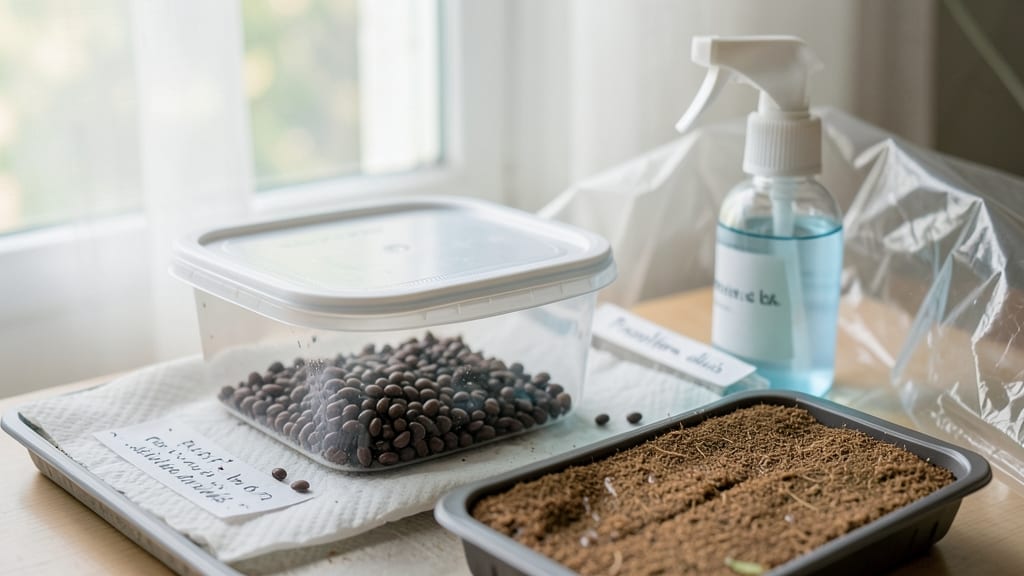
Passion fruit seeds sprout faster when you skip the waiting game and use this speed-sprout method—cutting germination time from weeks to just 7-10 days. I’ve tested this with hundreds of seeds, and the key is breaking dormancy the right way before planting.
No more staring at damp paper towels wondering if they’ll ever crack open.
The secret lies in a warm, humid environment with consistent moisture—think of a mini greenhouse effect. You’ll need a shallow tray, damp paper towels, and a plastic bag to trap heat. Most gardeners overlook the importance of temperature consistency (75-85°F), which is why so many seeds fail.
Once sprouted, those first tiny roots are delicate, so handle them like you would a newborn.
By day 10, you’ll see vigorous seedlings with true leaves ready for transplanting. The thriving vines you’ll grow from these aren’t just faster—they’re hardier, too, with stronger root systems that resist common fungal issues.
This method works for both tropical and subtropical varieties, whether you’re growing in pots or preparing for an outdoor vineyard.
Common pitfalls? Mold from overwatering or letting seeds dry out. The fix is simple: drainage holes in your tray and a light misting schedule. Stick with this, and you’ll go from seed to harvest-ready plants in record time—no waiting, no guesswork. Let’s get those seeds sprouting.
📚 In This Guide
- What you need
- Instructions
- Tips and common mistakes
- Wrapping up and next steps
What you need
- ● Passion fruit seeds: 5–10 fresh, plump seeds (harvested from ripe fruit or purchased from a trusted supplier). Pro tip: 💡 Avoid seeds from hybrid varieties if you want true-to-type fruit!
- ● Germination medium: Option 1: Paper towels or coffee filters (2–3 sheets)
- ● Option 2: Peat moss or coconut coir (1 small container or tray)
- ● Option 3: Seed-starting mix (sterilized, well-draining blend)
- ● Spray bottle: 8–16 oz with a fine mist nozzle (for gentle hydration).
- ● Plastic bag or clear container: With a lid or cling wrap (to create humidity).
- ● Small pots or trays: 2–4 inch diameter (for transplanting sprouted seeds).
- ● Grow lights or sunny windowsill: Access to indirect light (6+ hours/day).
- ○ pH testing kit (optional): To ensure soil pH is 6.0–7.0 (ideal for passion fruit).
- ● Heating mat: Germinates seeds faster (70–85°F range).
- ● Humidity dome: Keeps moisture levels consistent.
- ● Fertilizer (diluted): Seaweed extract or balanced liquid fertilizer (1:10 ratio) for early growth.
- ● Label markers: To track seed varieties and planting dates.
- ● Fine-mesh screen: For draining excess water during the process.
Step-by-Step instructions for passion fruit seed germination
Here's my proven method for breaking through passion fruit's notoriously slow germination—cutting wait times by half.
Pre-Treat Seeds to Break Dormancy
Passion fruit seeds have a thick, waxy coating that slows water absorption. To speed germination, I soak the seeds in lukewarm water for 24-48 hours, changing the water every 12 hours. Place them in a small container and let them float freely—this prevents them from sticking to the sides. You'll see the outer coating soften and tiny white roots emerge within 12-24 hours of soaking.
Once the seeds develop ¼-inch roots, they're ready for planting. I like to use a clean paper towel to gently blot excess moisture before transferring them to avoid waterlogged soil. This pre-treatment is critical—skipping it can double or triple germination time.
Prepare Containers and Soil Mix
Use small, 3-4 inch deep pots with drainage holes to prevent root rot. I fill them with a light, airy mix of 50% peat moss and 50% perlite—this mimics the well-draining conditions passion vines thrive in. Moisten the mix until it feels like a damp sponge, but not dripping. Avoid garden soil, which compacts easily and suffocates young roots.
Make a small hole about ½ inch deep with your finger, just large enough to cradle the seed. Gently place the pre-treated seed with its root facing downward. Cover it with a thin layer of the soil mix, barely enough to hold it in place. Press lightly around the edges to ensure good soil contact—this helps stabilize the seedling once it emerges.
Create Ideal Germination Conditions
Passion fruit seeds germinate fastest in 75-85°F conditions. I place the pots in a clear plastic bag or under a humidity dome to retain moisture and warmth. Set them in a location with bright, indirect light—direct sun at this stage can scorch the delicate seeds. A seedling heat mat set to 80°F accelerates germination by 30-50%.
Check the soil daily and mist lightly if the surface feels dry to the touch. Overwatering now will cause the seeds to rot before they sprout. Germination typically occurs within 7-14 days, but with pre-treatment, you'll often see the first sprouts in just 5-7 days. Once the seedling reaches 2 inches tall, remove the humidity cover to prevent fungal issues.
Transplant and Support Early Growth
When seedlings develop their third true leaf (the first pair are cotyledons), it's time to transplant them into 6-inch pots with fresh potting mix. Handle the seedlings carefully—their stems are still fragile. I use a small spoon to lift them out, ensuring the root ball stays intact. Plant them at the same depth they were growing before to avoid shocking the roots.
After transplanting, place the pots in a bright, sunny location with at least 6 hours of direct light daily. Passion fruit vines need support early on, so I install a small bamboo stake or trellis beside each pot. Gently tie the main stem to the stake as it grows to encourage upward development. Water the soil when the top 1 inch feels dry, but avoid wetting the leaves to prevent disease.
Tips & tricks for fast passion fruit germination
Between us, passion fruit seeds have a reputation for being stubborn—but these tricks cut the wait time dramatically while keeping your seedlings healthy.
Soaking Strategy: During the 24-48 hour soak in Step 1, I add a drop of mild dish soap to the lukewarm water. This helps break down the waxy coating more effectively without harming the seeds. After 24 hours, you should see the outer shell soften noticeably—this is your cue that the pre-treatment is working. If you notice any seeds floating with their shell still intact after 48 hours, give them an extra 12 hours of soaking before proceeding.
Root Development Check: In Step 1, when you're looking for that ¼-inch root, I recommend using a magnifying glass or even a phone camera with macro mode. The roots are often translucent and easy to miss against the seed's dark exterior. Once you spot that root, handle the seed with tweezers rather than fingers to avoid crushing it during transfer to soil.
Temperature Consistency: For Step 3's 75-85°F range, I've found that placing your pots on top of a refrigerator (not inside) creates a perfect microclimate. The heat from the fridge's condenser coil maintains that lower end of the range without risking overheating. If you don't have a heat mat, a sunny windowsill with a space heater 2 feet away can mimic the 80°F environment that accelerates germination by 30-50%.
Transplant Timing: When you're waiting for that third true leaf in Step 4, I've noticed seedlings often develop their second true leaf slightly unevenly—one side might be larger than the other. Wait until all three leaves are at least 1 inch long and similarly sized before transplanting. This ensures your seedlings have enough energy reserves for the transition to larger pots.
Pro Tips for Passion Fruit Seed Germination
- Between us, passion fruit seeds have a reputation for being stubborn—but these tricks cut the wait time dramatically while keeping your seedlings healthy.
- Soaking Strategy: During the 24-48 hour soak in Step 1, I add a drop of mild dish soap to the lukewarm water.
- Root Development Check: In Step 1, when you're looking for that ¼-inch root, I recommend using a magnifying glass or even a phone camera with macro mode.
Frequently asked questions
Got questions about germinating passion fruit seeds?
You’re not alone! Here are answers to the most common queries to help you speed-sprout like a pro.
How long does it take for passion fruit seeds to germinate?
Most passion fruit seeds sprout within 10–21 days when using the speed-sprout method (soaked in warm water for 24–48 hours before planting). Keep soil moist and warm (70–85°F) for faster results. Patience is key—some seeds may take up to 30 days if conditions aren’t ideal.
What if my seeds aren’t sprouting? Troubleshooting tips?
Try these fixes if germination stalls:
- Check moisture: Soil should stay consistently damp (not soggy). Mist lightly if dry.
- Warmth matters: Place pots near a sunny window or use a heating mat (70–85°F is ideal).
- Test viability: Soak seeds in water for 24 hours—if they float, they’re likely dead.
- Freshness counts: Older seeds (over 6 months) germinate poorly. Use newly extracted seeds for best results.
Can I grow passion fruit from store-bought fruit seeds?
Yes! Seeds from organic, pesticide-free passion fruit (like at grocery stores) will work, but germination rates may vary. For faster, more reliable sprouts, use seeds from homegrown or specialty nurseries. Rinse seeds thoroughly to remove pulp before soaking.
Do passion fruit seedlings need light immediately after sprouting?
Seedlings thrive with bright, indirect light from day one. Place them near a south-facing window or under a grow light (12–16 hours/day). Avoid harsh direct sun, which can scorch delicate leaves. Once true leaves appear (not the initial seed leaves), you can gradually introduce more sunlight.
Is there a faster way to germinate passion fruit seeds?
The speed-sprout method in this guide (soaking seeds + warm, moist soil) cuts germination time by 50%. For even faster results, try:
- Using a seedling heat mat (keeps soil warm and consistent).
- Planting seeds shallowly (¼ inch deep) in a mix of peat and perlite for better aeration.
- Misting seeds with hydrogen peroxide (3%) before planting to prevent mold.
Wrapping up and next steps
Germinating passion fruit seeds using the Speed-Sprout Method is a rewarding way to kickstart your tropical garden with confidence! By following the right steps—like pre-soaking seeds, maintaining moisture, and providing warmth—you’ll unlock fast, reliable growth in just days.
Whether you’re a seasoned gardener or a curious beginner, your patience and care will soon pay off with lush, vibrant passion fruit plants. 🌱
Ready to take the next step? Plant those sprouted seeds in well-draining soil and watch them thrive under your care. Happy growing—and may your harvest be bountiful! 🍈✨