
Planting
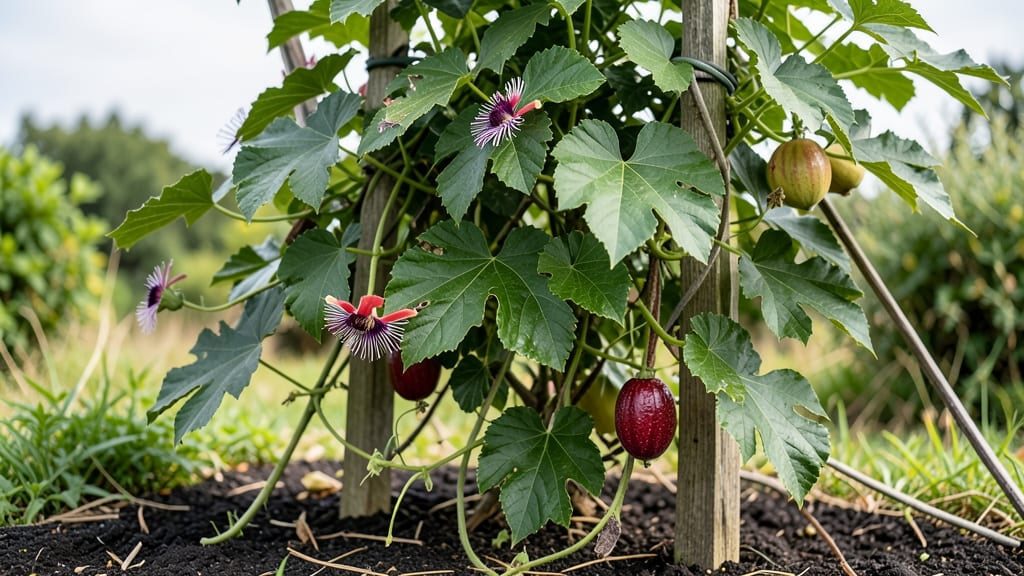
Growing a red passion fruit plant in containers means tropical flavors on your patio year-round. 🌿 I learned the hard way that these vines need warmth, space to climb, and just the right balance of water—too much and the roots rot, too little and the fruit shrivels before ripening.
The secret to success starts with the right container: at least 15 gallons with drainage holes, paired with well-draining soil mixed with compost. Passion fruit thrives in zones 9-11, but with a sunny balcony or greenhouse, you can grow them almost anywhere.
My first harvest came after just 8 months of careful nurturing—sweet, tart, and impossible to resist. You'll watch the vines climb with heart-shaped leaves and delicate flowers, then marvel as the fruits turn from green to deep red.
The key is consistent watering (keep soil moist but not soggy) and monthly feeding with a balanced fertilizer during growing season. Prune aggressively in late winter to encourage new growth. Even in small spaces, this vine delivers pounds of fruit per season. The only challenge?
Keeping squirrels and birds from stealing your harvest before you do. Here's how to set it up right from the start.
📚 In This Guide
- What you need
- Instructions
- Tips and common mistakes
- Wrapping up and next steps
What you need
- ● Passion fruit plant (Passiflora edulis): Choose a healthy, disease-free red passion fruit cutting or young plant (ensure it’s grafted for better disease resistance). Quantity: 1-2 plants.
- ● Large containers (15-20 gallons): Use pots with drainage holes and a diameter of at least 18 inches. Quantity: 1-2 per plant.
- ● High-quality potting mix: A well-draining blend like cactus/succulent mix or a mix of 50% potting soil + 50% perlite/coarse sand.
- ● Slow-release fertilizer (10-10-10 or 14-14-14): Apply at planting and again mid-season. Quantity: 1-2 cups per plant.
- ● Organic compost or worm castings: Boosts soil fertility. Quantity: 1-2 handfuls per container.
- ● Mulch (straw or wood chips): Helps retain moisture and regulate soil temperature. Quantity: 1-2 inches.
- ● Support structure (trellis or sturdy stakes): Passion fruit vines need vertical support to climb. Height: 6-10 feet.
- ● Garden gloves: Protects hands from thorns and soil.
- ● Pruning shears: For trimming vines and removing dead leaves.
- ● Trowel or small shovel: For planting and transplanting.
- ● Watering can or hose with a gentle spray nozzle: Avoids damaging delicate leaves.
- ○ pH testing kit (optional): Ensures soil pH is between 6.0-7.0 (ideal for passion fruit).
- ○ Spray bottle (optional): For misting leaves in dry climates.
- ● Sunlight: 6-8 hours of direct sunlight daily (containers may need rotation for even exposure).
- ● Temperature: Thrives in 70-85°F (21-29°C); protect from frost (below 32°F/0°C).
- ● Humidity: Prefers 60-70%; use a humidity tray or pebble tray if air is dry.
- ● Water access: Consistent moisture (but avoid waterlogging).
- ● Patience!: Passion fruit plants take 12-18 months to bear fruit in containers.
Step-by-step guide to growing red passion fruit in containers
Here's how to cultivate a thriving red passion fruit vine that produces vibrant fruit year-round.
🌱 Step 1: Select the Right Container and Prepare the Soil
Choose a 5-gallon container with drainage holes—passion fruit vines need deep roots and excellent drainage. I recommend a fabric grow bag or heavy plastic pot because they allow roots to breathe and prevent waterlogging. Fill the container with a mix of 60% high-quality potting soil and 40% perlite or coconut coir for aeration.
Passion fruit vines thrive in slightly acidic soil with a pH between 6.0 and 7.0. Before planting, mix in a handful of slow-release organic fertilizer (like 10-10-10) to provide nutrients without burning tender roots. Tap the container gently to settle the mix, but avoid compacting it—roots need loose, airy soil to grow strong.
☀️ Step 2: Plant and Provide Initial Support
Plant a 3-4 inch tall nursery-grown red passion fruit cutting or seedling in the center of the container. Dig a hole just deep enough to cover the root ball without burying the stem too deeply. Gently firm the soil around the base to eliminate air pockets, then water thoroughly until it drains freely from the bottom.
Install a trellis or sturdy wire frame immediately—passion fruit vines grow aggressively and need support to climb. I use a 6-foot tall metal trellis anchored to the container's side. The vine will twine naturally, but you can gently guide it upward as it grows. Place your container in a spot with full sun exposure (6-8 hours daily)—this is critical for fruit production.
💧 Step 3: Water and Fertilize for Optimal Growth
Water deeply every 2-3 days during the first month, keeping the soil consistently moist but never soggy. Passion fruit vines are drought-tolerant once established, but young plants need steady moisture. You'll know it's time to water when the top 2 inches of soil feel dry to the touch. Always water at the base to avoid wetting the leaves, which can promote fungal diseases.
After the first month, switch to a monthly feeding schedule using a balanced liquid fertilizer (like fish emulsion or seaweed extract). Red passion fruit plants are heavy feeders, so I apply fertilizer every 4 weeks during the growing season (spring through fall). Reduce feeding in winter when growth slows. Prune any dead or yellowing leaves immediately—they drain energy from the plant.
✂️ Step 4: Prune and Train for Maximum Fruit Production
Prune your passion fruit vine twice a year: once in early spring to shape the plant and again in late fall to clean up. Remove any weak or crossing branches to improve airflow and sunlight penetration. I also pinch back the tips of new growth to encourage bushier, fruit-bearing vines. Never cut more than one-third of the plant at a time—this can stress the vine and reduce fruit production.
Watch for flower buds forming in late spring—these will develop into fruit. If you notice any unopened buds dropping, your plant may need more sunlight or fertilizer. Once fruit begins to form, reduce watering slightly to prevent splitting. Harvest when the fruit is fully colored and slightly soft to the touch—usually 6-8 months after planting.
⏰ Step 5: Overwinter and Prepare for Next Season
In colder climates, bring your container indoors before temperatures drop below 50°F. Place it near a south-facing window or under grow lights to maintain growth. Reduce watering by half and stop fertilizing until spring. If you're in a mild climate, keep the plant outdoors but protect it from frost with a breathable frost cloth.
Before spring, inspect your vine for pests like mealybugs or spider mites. Treat any infestations immediately with neem oil or insecticidal soap. In early spring, repot if the roots are circling the container or if growth has slowed. Refresh the soil with new potting mix and fertilizer, then resume your regular care routine. With proper overwintering, your passion fruit vine will reward you with years of vibrant fruit.
Tips & tricks for thriving red passion fruit vines
Here's what I've learned after years of growing these tropical beauties—these tricks will help you avoid common pitfalls and maximize your harvest.
Container Selection: While a 5-gallon container works perfectly for young plants, plan to upgrade to a 10-gallon container within 12-18 months as roots expand aggressively. I've seen vines become root-bound in their first year if left in smaller containers—this stresses the plant and reduces fruit production. Look for containers with multiple drainage holes to prevent waterlogging, which can lead to root rot.
Sunlight Optimization: The 6-8 hours of daily sunlight mentioned is non-negotiable, but here's the secret: position your container to capture morning sun first, then afternoon shade if your climate gets extremely hot. I've noticed that vines in full afternoon sun can develop sunburned leaves, which weakens the plant. If you're in a hotter region, consider using a lightweight shade cloth (30-50%) during peak afternoon hours without blocking all sunlight.
Fertilizer Strategy: When you're applying that monthly balanced fertilizer, here's a pro move: alternate between liquid fertilizers and organic compost tea every other month. I've found this approach provides better nutrient balance and prevents salt buildup in the soil. Also, reduce fertilizer strength by half when you first see flower buds forming—too much nitrogen can cause the plant to focus on leaf growth instead of fruit production.
Pest Prevention: The instructions mention treating pests, but prevention is even better. I start by applying a neem oil spray (1% concentration) every 4 weeks during growing season as a preventive measure. This creates a protective barrier that deters mealybugs and spider mites before they become a problem. I also inspect the undersides of leaves weekly during warm months—this is where pests often hide and multiply unseen.
Pro Tips for Red Passion Fruit Plant
- Here's what I've learned after years of growing these tropical beauties—these tricks will help you avoid common pitfalls and maximize your harvest.
- Container Selection: While a 5-gallon container works perfectly for young plants, plan to upgrade to a 10-gallon container within 12-18 months as roots expand aggressively.
- Sunlight Optimization: The 6-8 hours of daily sunlight mentioned is non-negotiable, but here's the secret: position your container to capture morning sun first, then afternoon shade if your climate gets extremely hot.
Frequently asked questions
How long does it take for a red passion fruit plant to bear fruit?
A healthy red passion fruit vine typically takes 12–24 months to produce fruit from seed, while grafted plants (like those from nurseries) may fruit in 6–12 months. Patience is key—provide full sun, support, and consistent watering to speed up the process!
Can I grow red passion fruit in a container year-round, even in cold climates?
Yes! Red passion fruit is tropical but can be grown in containers with care. In cold areas, move pots indoors (or to a greenhouse) when temps drop below 40°F (4°C). Use a well-draining potting mix and prune aggressively to keep the plant compact. A grow light helps during winter!
Why aren’t my passion fruit flowers turning into fruit?
This is often due to lack of pollination or stress. Hand-pollinate flowers with a soft brush, or attract bees with nearby flowering plants. Check for pests (like aphids) or nutrient deficiencies (add compost or a balanced fertilizer). Overwatering or extreme temps can also stunt fruit set.
What’s the best fertilizer for red passion fruit plants?
Use a balanced, organic fertilizer (like 10-10-10 or compost tea) during growing season, then switch to a low-nitrogen, high-phosphorus blend (e.g., 5-10-10) when buds form. Avoid over-fertilizing—too much nitrogen = more leaves, fewer fruits! Feed every 4–6 weeks in spring/summer.
Are there any easy alternatives to red passion fruit for beginners?
If passion fruit seems tricky, try these low-maintenance tropical vines:
- Strawberries (everbearing varieties) – Fast fruit, great for containers.
- Grapevines (concord or muscadine) – Hardy and productive.
- Honeydew melon (small varieties) – Compact and sweet.
- Blueberries (dwarf bushes) – Acid-loving but beginner-friendly.
Wrapping up and next steps
Growing red passion fruit plants in containers is a rewarding way to enjoy their tropical sweetness year-round—even in smaller spaces!
With the right care, sunlight, and support, you’ll be harvesting juicy fruit in no time. 🌱 Whether you’re a seasoned gardener or just starting, this vibrant plant adds beauty and flavor to your home.
Ready to take the next step? Start with a healthy plant or seeds, set up your container garden, and watch your passion fruit thrive. Share your progress with fellow plant lovers—your container-grown harvest could inspire others to try it too!