
Flowers
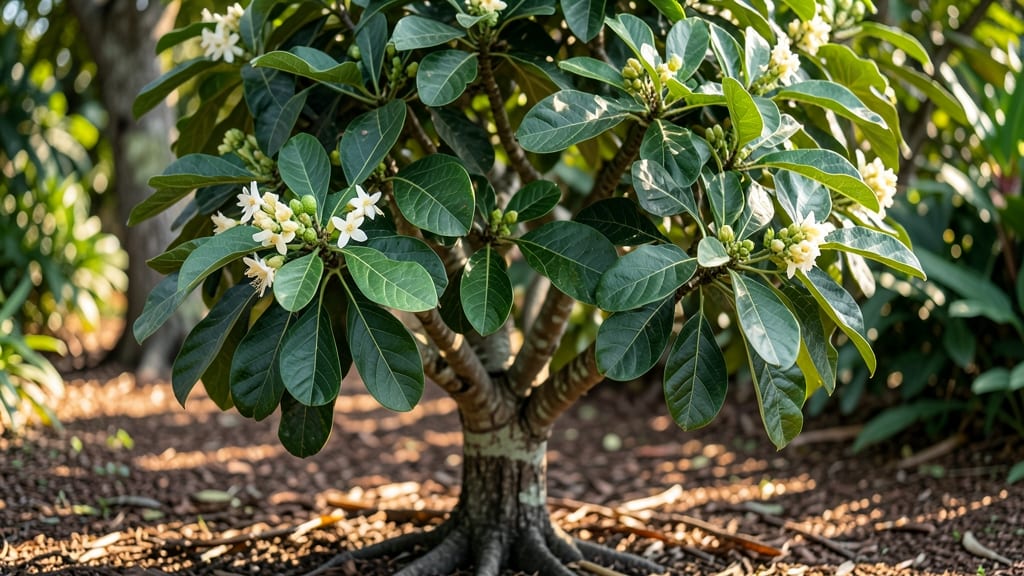
The transformation from avocado flower to fruit depends on a precise cross-pollination process between Type A and Type B flowers, where wind, bees, or manual intervention must fertilize the ovary to initiate fruit development.
Avocado trees have a fascinating two-flower system where each flower type blooms at different times. Type A flowers release pollen in the morning and receive it in the afternoon, while Type B flowers do the opposite. 🌸 This timing mismatch means both flower types must grow together for successful pollination.
Without proper cross-pollination, the ovary won't develop into fruit, which is why many gardeners find their avocado trees producing flowers but no fruit. Understanding this cycle helps explain why some trees need manual assistance or companion planting to boost fruit production.
This biological quirk isn't just interesting—it's practical.
When you see avocado flowers but no fruit forming, it's often because the tree lacks the right pollination partners. 🐝 The good news is that you can help by introducing bees to your garden or even manually transferring pollen between flowers using a small brush.
Creating ideal growing conditions with proper sunlight and water also supports this natural process, giving your avocado tree the best chance to bear fruit.
💡 In This Article
- Avocado Flower Types and Their Role in Fruit Development
- Optimizing Avocado Pollination for Better Fruit Yield
Avocado flower types and their role in fruit development
Avocado trees employ a unique dual-flower system where each flower type follows a strict daily rhythm.
Type A flowers release pollen in the morning and are receptive to pollen in the afternoon, while Type B flowers do the exact opposite—releasing pollen in the afternoon and receiving it in the morning. 🌸 This timing creates a biological puzzle: both flower types must grow together to ensure successful cross-pollination.
When Type A pollen meets Type B stigma (or vice versa), the chemical signal triggers ovary development, which is the first critical step toward fruit formation.
The biological mechanism involves specific proteins called "S-locus receptor kinases" that recognize compatible pollen. These proteins activate when pollen from the opposite flower type lands on the stigma, initiating a cascade that includes ethylene production—a plant hormone that stimulates cell division in the ovary.
Without this cross-pollination, the ovary remains undeveloped, explaining why many avocado trees produce abundant flowers but fail to set fruit. Interestingly, this system evolved to prevent self-pollination, which would reduce genetic diversity in the offspring.
Seasonal timing plays a crucial role in this process. Type A and Type B flowers don't bloom simultaneously—they follow a staggered pattern where one type dominates in early spring while the other peaks later.
This staggered blooming ensures that both flower types are present during the critical pollination window, which typically lasts about 6-8 weeks per season. 🌿 The tree's internal clock, regulated by daylight hours and temperature fluctuations, controls this timing.
For example, cooler evenings can delay Type B flowering, potentially disrupting the natural pollination cycle.
Here's where things get practical: the ovary's response to successful pollination is immediate but subtle. Within 24-48 hours of fertilization, the ovary begins swelling as it transforms into a fruit.
This early growth phase is highly sensitive to environmental conditions—drought stress or extreme temperatures can cause the developing fruit to drop prematurely. The ovary's cells rapidly divide during this period, establishing the fruit's basic structure, including the seed and surrounding flesh.
Without proper pollination, this entire process never begins, leaving the tree with only flowers but no fruit.
Understanding this biological dance helps explain why some avocado trees in home gardens struggle to produce fruit. Even if a tree has both flower types, factors like insufficient pollinators (bees or wind), poor weather conditions, or improper growing conditions can disrupt the delicate pollination process.
For gardeners, this knowledge highlights the importance of creating an environment that supports both the tree's natural rhythms and the pollinators that facilitate them. 🌱
Consider this: a single avocado flower contains both male and female reproductive structures, but the timing of pollen release and receptivity prevents self-fertilization. This dual-system design ensures that only cross-pollinated flowers develop into fruit, a mechanism that has evolved over centuries to maximize genetic diversity.
The result? A fruit that's not only delicious but also uniquely adapted to thrive in diverse environments.