
Flowers
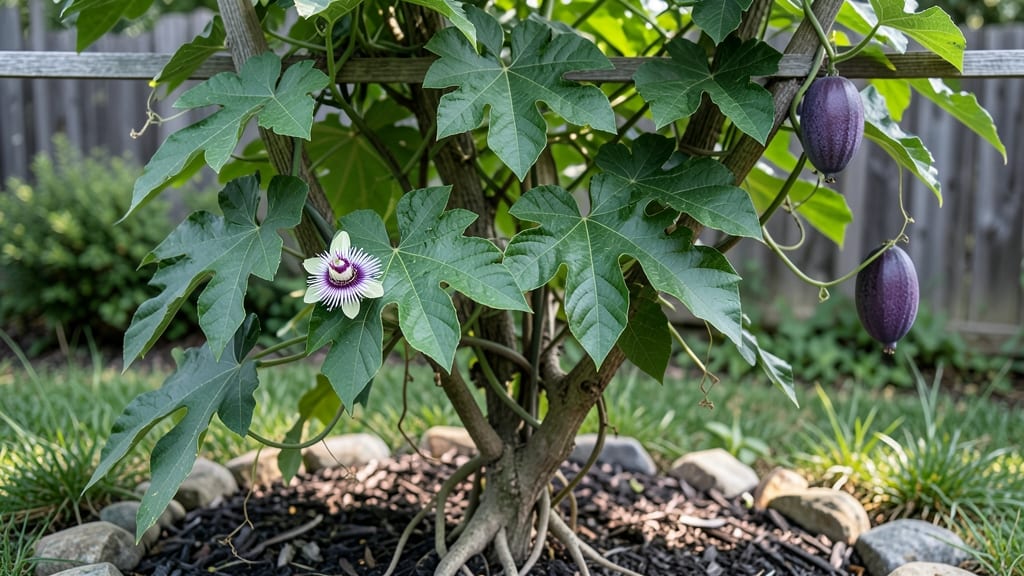
Growing a purple passion fruit vine means summer fruit that lasts all year in the right climate. 🌿 I learned the hard way that this fast-climbing vine needs more than just sunshine—it demands perfect timing, the right support, and a little patience for the first harvest.
The secret to success starts with soil that drains well and a sturdy trellis or fence for its aggressive growth. Purple passion fruit thrives in zones 8-11, but even in cooler areas, you can grow it in containers and overwinter it indoors.
The key is mimicking its tropical roots with warmth and humidity. By year two, you'll be picking grapelike purple fruits that burst with tart-sweet flavor, far superior to grocery store versions. The vine rewards persistence with year-round production if you keep it pruned and pollinated properly.
Here's where most gardeners stumble: pollination and pruning. Without help from bees or careful hand-pollination, those flowers won't turn into fruit. And without pruning, the vine gets tangled and overwhelmed. Let's fix that together!
📚 In This Guide
- What you need
- Instructions
- Tips and common mistakes
- Wrapping up and next steps
What you need
- ● Purple passion fruit seeds or young plants: 1-3 (start with a healthy cutting or seedling for best results).
- ● Well-draining potting mix: 5-10 gallons (use a blend of coconut coir, perlite, and compost for optimal aeration).
- ● Container or garden space: Container option: 15-20 gallon pot (with drainage holes) or a large grow bag.
- ● Garden option: Full sun spot (6+ hours daily) with trellis or fence support (vines can grow 20+ feet!).
- ● Trellis or sturdy support: 6-10 feet tall (bamboo stakes, wire mesh, or a DIY wooden frame work great).
- ● Fertilizer: Balanced organic fertilizer (10-10-10 or compost tea) for planting + slow-release granules for ongoing growth.
- ● Basic gardening tools: Trowel, pruners, gloves, and a watering can (or hose with gentle spray nozzle).
- ● pH testing kit: Ideal soil pH: 6.0–7.0 (adjust with lime or sulfur if needed).
- ● Mulch: Straw or wood chips (2–3 inches) to retain moisture and regulate temperature.
- ○ Optional (but helpful!): Drip irrigation system for consistent watering.
- ● Humidity tray or shade cloth (if growing in hot/dry climates).
- ● Pollination aid (small paintbrush) for indoor growers.
- ● Warm climate (USDA Zones 9–11) or a greenhouse/indoor setup with grow lights.
- ● Patience! Purple passion fruit vines take 12–18 months to bear fruit.
- ● Commitment to regular care (watering, pruning, and fertilizing).
Step-by-step instructions for growing a purple passion fruit vine
Here's how to get this vigorous climber thriving—and fruiting—in record time.
🌱 Step 1: Select the Right Planting Site and Support Structure
Purple passion fruit vines need full sun (at least 6-8 hours daily) and a sturdy trellis or fence to climb. I always choose a 6-foot-tall arbor or pergola because these vines can grow 15-20 feet in a single season. The key is positioning it where the morning sun hits the leaves directly—this prevents fungal diseases that thrive in damp foliage.
Check your site's drainage before planting. Purple passion fruit roots rot quickly in soggy soil. If your garden holds water, raise the vine in a large container with drainage holes. The root ball should never sit in standing water after rain. I like to plant mine near a south-facing wall where it gets afternoon shade in hot climates—this keeps fruit from sunburning.
🪴 Step 2: Plant at the Right Time and Depth
Wait until after the last frost and when soil temperatures reach at least 65°F. Purple passion fruit is tropical and won't tolerate cold. Dig a hole twice as wide as the root ball but only as deep as the container it came in. Planting too deep suffocates the roots and causes the vine to struggle.
Loosen the roots gently if they're circling in the pot, then place the vine in the hole. Backfill with native soil mixed with 2 inches of compost—this gives the roots a nutrient boost without overwhelming the plant. Water deeply right after planting to settle the soil around the roots. You'll know it's right when water drains freely from the bottom of the hole.
☀️ Step 3: Train the Vine and Prune for Maximum Fruit
As soon as new growth appears, guide the main stem up the trellis using soft plant ties. Purple passion fruit vines grow fast—you'll see 1-2 feet of new growth per week in ideal conditions. Prune side shoots back to 3-4 leaves to encourage strong central growth. This prevents the vine from becoming too bushy and ensures energy goes into fruit production.
Once the vine reaches the top of your trellis, pinch the tip to encourage branching. This creates more fruiting zones. I also remove any suckers that grow from the base—they drain energy from the main plant. Watch for first flowers after 6-8 months, which means fruiting is just around the corner.
💧 Step 4: Water and Fertilize for Heavy Fruit Set
Water deeply 2-3 times per week during the first year, keeping the soil evenly moist but not soggy. Purple passion fruit needs consistent moisture, especially when flowers appear. I water at the base in the morning to prevent fungal spores from splashing onto leaves. Once established, the vine tolerates short dry spells better but produces more fruit with regular watering.
Fertilize every 4-6 weeks with a balanced 10-10-10 formula during growing season. Switch to a low-nitrogen, high-phosphorus fertilizer (like 5-10-10) when flowers appear to boost fruit set. I avoid high-nitrogen fertilizers—they encourage leafy growth at the expense of fruit. Stop fertilizing in late fall to let the vine rest.
⏰ Step 5: Harvest and Prune for Year-Round Production
Purple passion fruit ripens year-round in warm climates but peaks in late summer to fall. Harvest when the fruit turns deep purple and feels slightly soft when gently squeezed. Twist gently to avoid damaging the vine. One mature vine produces 50-100 fruits per season—enough for fresh eating and jams.
After harvest, prune back one-third of the oldest growth to encourage new, vigorous shoots. This keeps the vine productive and prevents it from becoming too woody. In colder climates, protect the vine with burlap wraps or move containers indoors during frost. With proper care, your purple passion fruit vine will reward you with fast, abundant harvests for years.
Tips & tricks for fast purple passion fruit vine growth
These simple tricks will help your tropical vine thrive and fruit faster than you'd expect.
Sunlight Strategy: The 6-8 hours of full sun is non-negotiable, but here's the pro move: position your trellis to capture morning sun while shielding from harsh afternoon rays in hot climates. I've found that placing it near a south-facing wall creates perfect conditions—morning light boosts photosynthesis while afternoon shade prevents sunburn on the fruit. If you're in a cloudy region, supplement with grow lights for 14 hours daily during winter.
Root Health Secret: When planting, don't just check drainage—test it thoroughly. Fill the hole with water and wait 30 minutes. If water remains, you've got poor drainage. For containers, use a mix of 50% potting soil, 30% perlite, and 20% compost to improve aeration. I've seen roots rot within weeks when planted in heavy clay soil that drains poorly.
Pruning Hack: That 3-4 leaves pruning rule in Step 3 works wonders, but here's what nobody tells you—prune in the morning when humidity is lower. This reduces fungal risks. Also, use sharp pruners and make cuts at a 45-degree angle just above a leaf node. I've seen vines recover faster and produce more flowers when pruned this way.
Fertilizer Timing: The switch to low-nitrogen, high-phosphorus fertilizer when flowers appear is crucial, but don't overdo it. Apply only when you see new flower buds forming. I've learned the hard way that over-fertilizing at this stage can actually reduce fruit set. For container plants, use half the recommended dose to prevent root burn.
Pro Tips for Purple Passion Fruit Vine
- These simple tricks will help your tropical vine thrive and fruit faster than you'd expect.
- Sunlight Strategy: The 6-8 hours of full sun is non-negotiable, but here's the pro move: position your trellis to capture morning sun while shielding from harsh afternoon rays in hot climates.
- Root Health Secret: When planting, don't just check drainage—test it thoroughly.
Frequently asked questions
Got questions about growing your own purple passion fruit vine? You’re not alone—this fast-growing, flavor-packed vine has its quirks! Here are answers to the most common queries to help you cultivate success.
How fast does a purple passion fruit vine grow?
A healthy purple passion fruit vine can climb 10–15 feet per year with proper care! Expect rapid growth in warm, sunny conditions, but provide sturdy trellises or arbors early—this vine loves to twine. Prune regularly to manage spread and encourage fruit production.
When should I plant purple passion fruit seeds or cuttings?
For seeds, start indoors 8–12 weeks before your last frost, then transplant after soil warms to 70°F+. Cuttings root best in spring or early summer. In frost-free zones, plant year-round, but avoid extreme heat (above 95°F) during establishment.
Can I grow purple passion fruit in containers? Yes—but with caveats!
Use a 15–20 gallon pot with drainage holes and a well-draining mix (like cactus/succulent blend). Place in full sun and fertilize monthly. Watch for: root-bound vines (repot every 2–3 years) and winter protection in cold climates (move indoors or use frost cloth).
Why aren’t my purple passion fruit vines flowering or fruiting?
Common culprits:
- Not enough sun: Needs 6+ hours of direct light daily.
- Young vine: Takes 1–2 years to bear fruit.
- Poor pollination: Hand-pollinate with a brush if bees are scarce.
- Over-fertilizing: Too much nitrogen = leafy growth, no fruit.
Are purple passion fruit vines toxic to pets?
While the fruit is safe (and delicious!), the vine’s leaves and stems contain cyanogenic glycosides, which can be toxic if ingested in large amounts. Keep pets away from chewing on the plant, and always supervise outdoor access.
Wrapping up and next steps
Growing a purple passion fruit vine is a rewarding adventure that brings vibrant color, fragrant blooms, and sweet, tangy fruits to your garden year-round! With the right care—sunny spots, sturdy support, and consistent watering—you’ll soon enjoy a thriving vine that’s both beautiful and bountiful. 🌿✨
Ready to take the next step? Start by planting your vine this season and watch it climb toward delicious harvests. Share your progress with fellow gardeners or experiment with new trellis designs—your purple passion fruit vine is just waiting for its star moment! 🌱🍈