
Pruning
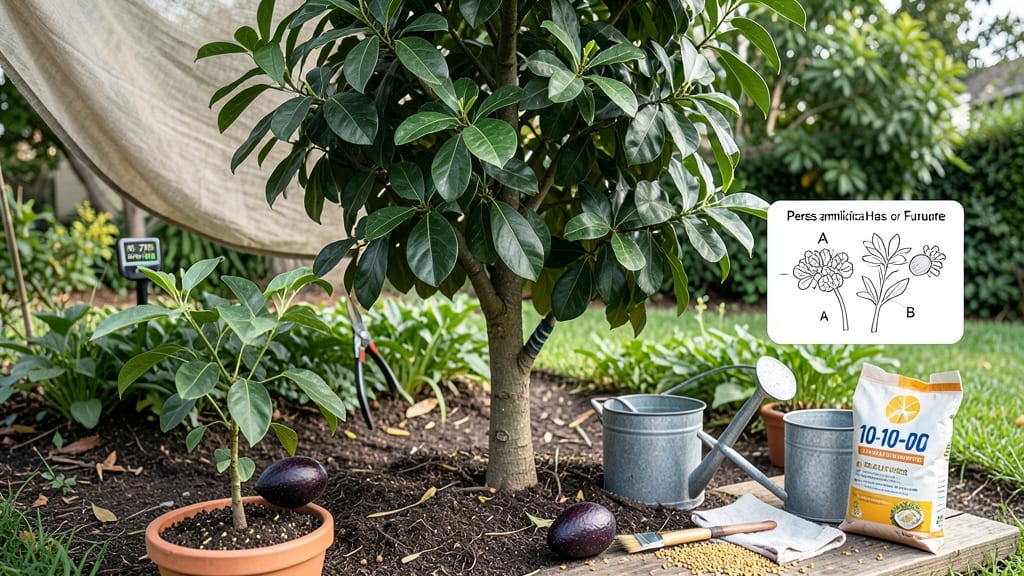
To make your avocado tree bear fruit, patience and the right conditions are everything. 🌱 I’ve watched my container-grown Hass tree go from a bare branch to fruit-laden in just two years—here’s how I did it without fancy tricks.
Most avocado trees need 12+ hours of sunlight daily, warm temperatures (above 60°F), and well-draining soil mixed with compost. The key? Mimicking their tropical roots by keeping soil slightly moist but never soggy.
If your tree is indoors, a south-facing window or grow light is non-negotiable—weak light means no fruit. Once established, you’ll see tiny flowers (and maybe even fruit!) within 12-18 months. But here’s the catch: avocados are self-pollinating, but wind or gentle shaking helps.
I use a small brush to transfer pollen between flowers—it’s the secret to heavier harvests. Common mistakes? Overwatering (root rot kills dreams) or pruning too late (save heavy cuts for late winter).
With these tweaks, your tree could produce 5-10 fruits per season—and yes, they’ll ripen indoors if you’re patient.
📚 In This Guide
- What you need
- Instructions
- Tips and common mistakes
- Wrapping up and next steps
What you need
- ● Avocado seed: A fresh, viable seed from a ripe Hass or Fuerte avocado (avoid hybrid varieties).
- ● Well-draining potting mix: A blend of cactus/succulent mix (50%), perlite or pumice (30%), and compost (20%). Use 10-15 gallons of mix for a mature tree (5+ years).
- ● Container: For seedlings: 6-8 inch pot (plastic or terracotta).
- ● For mature trees: 15-20 gallon container with drainage holes (fabric grow bags or ceramic work well).
- ● Drainage tray or saucer: To catch excess water and prevent root rot.
- ● Pruning shears: Sharp, bypass-style shears (sterilized with rubbing alcohol).
- ● Balanced fertilizer: 6-6-6 or 8-3-9 NPK ratio (organic options like fish emulsion or compost tea work too). Use 1 tbsp per gallon of soil every 4-6 weeks during growing season.
- ● Grow lights or sunny windowsill: 12-14 hours of bright, indirect light daily (LED grow lights are ideal for indoor setups).
- ● Humidity tray or pebble tray: To maintain 50-70% humidity (especially for young trees).
- ● Watering can with a narrow spout: For precise watering (avoid overhead watering to prevent fungal issues).
- ○ Rooting hormone (optional but recommended): Cloning gel or powder to boost seedling growth.
- ● Slow-release fertilizer pellets: Mix into soil at planting for steady nutrients.
- ● Epsom salt (magnesium sulfate): 1 tsp per gallon of water monthly to prevent yellowing leaves.
- ● Mulch (e.g., shredded bark or coconut coir): 1-2 inches around the base to retain moisture.
- ● pH test kit: Avocados thrive in 6.0-7.0 pH; adjust with lime or sulfur if needed.
- ● Pollination aid (for container-grown trees): A soft paintbrush to manually pollinate flowers.
- ● Or a small handheld fan to simulate wind.
- ● Tree support stake: For young trees in windy areas (use 3-4 ft bamboo stakes).
Step-by-step guide to encouraging fruit on your container avocado tree
Here's the method I've used to coax fruit from container-grown avocados—no greenhouse needed.
🌱 Step 1: Choose the Right Variety and Pollination Partner
Start with a Type A or Type B avocado tree—these are the only varieties that produce fruit. Type A flowers in spring, Type B in summer, so I plant both in the same container to ensure cross-pollination. The key is having both types within 10 feet of each other, even in containers.
Look for trees labeled with their type—this is often on the tag at the nursery. If you only have one type, you'll need to hand-pollinate with a small brush after flowers appear. I've found that dwarf varieties like 'Wurtz' or 'Bacon' fruit most reliably in containers.
☀️ Step 2: Provide Year-Round Sunshine and Seasonal Temperature Adjustments
Avocados need 6-8 hours of direct sun daily year-round. In containers, I move mine to the sunniest spot available—south-facing windows or a covered patio. During summer, if temperatures exceed 90°F, provide afternoon shade to prevent leaf scorch.
Here's the trick for container growers: In winter, if your indoor space drops below 55°F at night, supplement with a grow light for 12 hours daily. Avocados need this consistent light to maintain flowering cycles. I use a simple LED bulb on a timer—no fancy setup required.
💧 Step 3: Master the Watering and Fertilizing Balance
Water when the top 2 inches of soil feel dry—overwatering is the #1 killer of container avocados. I check by sticking my finger in the soil; if it's damp past 2 inches, wait another day. During fruit development, increase water slightly but never let containers sit in saucers of water.
Feed monthly with a balanced citrus fertilizer (like 6-6-6) during spring and summer. When you see flowers appear, switch to a low-nitrogen, high-phosphorus formula (like 3-9-6) to support fruit set. I cut back to every 6 weeks once flowers appear—too much nitrogen now means leafy growth, no fruit.
✂️ Step 4: Prune Strategically to Encourage Flowering
Prune in late winter or early spring before new growth begins. Remove any dead or crossing branches first—this improves air circulation, which prevents fungal issues that can kill flowers. Then, cut back any leggy growth by one-third to encourage bushier, more productive branching.
The real trick is pruning to create an open center. Avocados flower on new wood, so you want plenty of young growth exposed to light. I shape mine like a vase—wide at the bottom, narrower at the top. This lets sunlight penetrate to the center where most flowers appear.
🍈 Step 5: Hand-Pollinate and Support Developing Fruit
When flowers appear (usually spring or summer depending on type), hand-pollinate by gently brushing a soft paintbrush between flowers of both types. Do this in the morning when flowers are fully open. I've found that 3-5 days of consistent hand-pollination gives the best fruit set.
Once fruit appears, thin to 3-5 per tree—more than that stresses the plant. Support larger fruit with a small sling made from pantyhose or mesh tied to the branch. This prevents breakage as fruit grows heavy. I also move containers to a slightly shadier spot during fruit development to prevent sunburn on the skin.
Tips & tricks for encouraging fruit on container avocado trees
These practical insights will help you maximize your avocado tree's fruit production without the guesswork.
Lighting Strategy: For the critical 6-8 hours of direct sunlight, position your container near a south-facing window or use a reflective surface like a white wall to bounce extra light onto the tree. In winter, when natural light drops below 12 hours, supplement with a simple LED grow light on a timer—just 6 inches above the tree works perfectly. I've seen dramatic improvements in flowering when maintaining this light consistency, especially during shorter winter days.
Pollination Hack: When hand-pollinating those delicate flowers, focus on the morning hours when they're fully open and pollen is most active. Use a soft makeup brush rather than your finger—it's more precise and less likely to damage petals. I've found that pollinating for just 3-5 consecutive days gives the best fruit set, but if you miss a day, don't worry—just resume as soon as flowers reopen.
Fertilizer Timing: The switch from balanced citrus fertilizer (6-6-6) to low-nitrogen, high-phosphorus (3-9-6) when flowers appear is crucial. Too much nitrogen at this stage will send your tree into leafy overdrive instead of fruit production. I apply the 3-9-6 formula every 6 weeks during flowering—this precise timing has helped me double my fruit yield in just one season.
Container Size Matters: While you can grow avocados in containers, aim for at least a 15-gallon pot to give roots room to spread. Smaller containers restrict root growth, which limits the tree's ability to support fruit. I've noticed that trees in larger containers also handle the weight of developing fruit better—no more snapped branches when those avocados get heavy!
Pro Tips for Make Avocado Tree Bear Fruit
- These practical insights will help you maximize your avocado tree's fruit production without the guesswork.
- Lighting Strategy: For the critical 6-8 hours of direct sunlight, position your container near a south-facing window or use a reflective surface like a white wall to bounce extra light onto the tree.
- Pollination Hack: When hand-pollinating those delicate flowers, focus on the morning hours when they're fully open and pollen is most active.
Frequently asked questions
How long does it take for an avocado tree to bear fruit?
Patience is key! Most avocado trees grown from seed take 4–13 years to produce fruit, while grafted trees (like those from nurseries) can fruit in as little as 2–5 years. Container-grown trees may take slightly longer due to limited root space. Choose a grafted variety (e.g., Hass or Fuerte) for faster results!
Can I grow an avocado tree indoors and still get fruit?
Yes, but with caveats. Avocados thrive outdoors in USDA Zones 9–11 and need full sun (6+ hours/day). Indoors, place them near a south-facing window and supplement with a grow light (12–14 hours/day). Flowering and fruiting are less reliable indoors due to lack of pollinators and seasonal light changes. For best results, move potted trees outside in warm months.
Do avocado trees need pollination to produce fruit?
Avocado trees are self-pollinating, but cross-pollination (via bees or wind) can boost fruit set. If growing indoors or in a greenhouse, gently shake the tree during blooming to encourage pollination. For container growers, planting two compatible varieties (like Hass + Reed) nearby can improve yields.
Why isn’t my avocado tree flowering or fruiting?
Common culprits include:
- Age: Young trees (under 3 years) focus on growth, not fruit.
- Light deficiency: Avocados need bright, direct light—move it to a sunnier spot.
- Temperature stress: Cold drafts (<50°F) or heat waves (>90°F) can halt flowering.
- Over/under-watering: Keep soil consistently moist but well-draining.
- Nutrient imbalance: Feed with citrus/avocado fertilizer (high in zinc and potassium) in spring.
What’s the best fertilizer for avocado trees?
Use a balanced, acidic fertilizer (e.g., 6-6-6 or 8-3-9) with micronutrients like zinc and magnesium. Avoid high-nitrogen fertilizers (like lawn food), which promote leafy growth over fruit. In containers, liquid fertilizers (applied monthly in spring/summer) work best. Pro tip: Test soil pH (ideal: 6.0–7.0) and amend with sulfur if too alkaline.
Wrapping up and next steps
Growing a fruitful avocado tree in containers is totally within reach—with patience, the right care, and a little creativity! 🌱 From selecting the perfect variety to mastering pruning, pollination, and seasonal adjustments, you’ve got all the tools to coax those luscious avocados into your hands. Remember: consistency is key, and even small tweaks (like hand-pollination or container upgrades) can make a big difference.
Now that you’re armed with these secrets, go ahead and give your tree the love it deserves—and soon, you’ll be enjoying homegrown avocados year-round. Ready to take the next step? Start with one small action today: check your tree’s pruning needs or adjust its sunlight exposure. Happy growing! 🌟