
Pruning
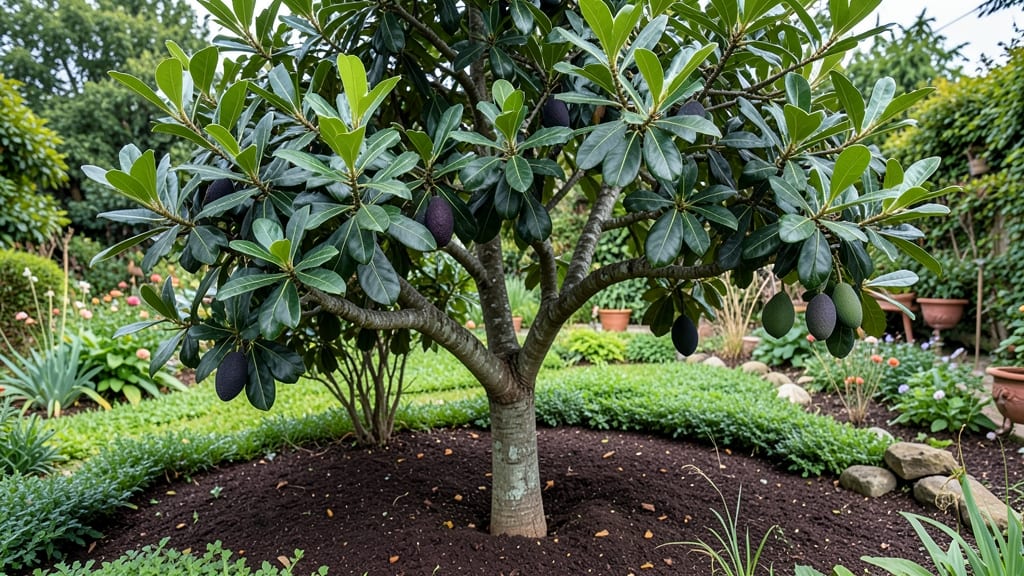
Growing an indoor avocado tree with fruit starts with a single seed that could become a lifelong green companion. 🌱 I’ve watched my own avocado tree grow from a tiny sprout to a plant bearing fruit—it’s possible with patience, the right techniques, and a few key adjustments for indoor conditions.
The journey begins with germination, but the real magic happens when you coax that plant into flowering and fruiting, something many beginners overlook until it’s too late.
The secret to success lies in mimicking its tropical roots: bright, indirect light, well-draining soil, and a consistent watering routine that avoids soggy roots. Most people give up when growth stalls, but with the right care—like occasional pruning to shape the tree and occasional humidity boosts—you’ll see steady progress.
My tree took two years to flower, but once it did, the small, bumpy fruit began forming within months. The key is understanding when to push growth and when to let the plant focus on fruiting.
By the time you’re harvesting fruit, you’ll have a thriving, productive plant that’s more than just a decorative centerpiece. The first harvest is a thrilling moment, even if the fruit isn’t perfect—it’s proof that indoor avocado growing works.
With the right balance of light, nutrients, and patience, you’ll turn that seed into a plant that keeps giving for years. Let’s get started with the steps that make it happen.
This method works for any indoor space, from sunrooms to living rooms, as long as you meet the plant’s basic needs. The biggest challenge? Avoiding common pitfalls like overwatering or neglecting pollination.
But with the right approach, you’ll end up with a tree that’s not just alive—it’s fruit-bearing and full of life.
📚 In This Guide
- What you need
- Instructions
- Tips and common mistakes
- Wrapping up and next steps
What you need
- ● Avocado Pit: 1 fresh, organic avocado pit (preferably from a Hass variety for best results).
- ● Water: Filtered or distilled (avoid tap water with high chlorine/sodium).
- ● Toothpicks or Skewers: 3-4 (for suspending the pit).
- ● Glass or Jar: 1 clear, wide-mouth container (16–24 oz, like a mason jar).
- ● Well-Draining Soil: 1 bag (5–10 lbs) of cactus/succulent mix or a blend of: 60% peat moss or coconut coir
- ● 30% perlite or pumice
- ● 10% vermiculite
- ● Pot: 1 container with drainage holes (8–12 inches in diameter; terracotta or ceramic preferred).
- ● Pruning Shears: Small, sharp pair (sterilized with rubbing alcohol).
- ○ Grow Lights (Optional but Helpful): Full-spectrum LED (12–16 hours/day) if natural light is <10 hours/day.
- ● Humidity Tray: A pebble tray with water to boost humidity (avocado trees love it!).
- ● Fertilizer: Balanced liquid fertilizer (e.g., 10-10-10) or organic options like fish emulsion.
- ● Rooting Hormone: For faster germination if you’re impatient! 😉
- ● Support Stake: A bamboo stake to train the tree as it grows taller.
- ● Spray Bottle: For misting leaves (avocados adore moisture!).
Step-by-Step instructions for growing an indoor avocado tree with fruit
Here's how to coax fruit from your avocado pit—using proven techniques that skip the guesswork.
🌱 Step 1: Germinate the Pit and Establish Roots
Start by placing three toothpicks around the pit, spaced evenly, to suspend it in a glass of water. The bottom third should sit submerged—this is where roots will emerge. Use lukewarm water to avoid shocking the pit, and change it every 3-4 days to prevent bacterial growth. Place the glass in bright, indirect light (a south-facing window works best) and wait.
Within 2-6 weeks, you'll see roots sprout from the bottom. Once they reach 2-3 inches, it's time to transfer to soil. I've found that rushing this step often leads to root rot—wait until the roots are visibly vigorous before moving forward.
🪴 Step 2: Plant in Well-Draining Soil and Choose the Right Pot
Select a 6-8 inch diameter pot with drainage holes—avocado trees hate soggy roots. Fill the bottom third with a mix of perlite and potting soil to improve aeration. Gently remove the pit from water, ensuring the roots stay intact, and plant it so the top half remains above soil level. This mimics the natural environment of the avocado tree.
Use a lightweight, fast-draining potting mix (avoid garden soil—it compacts and suffocates roots). After planting, water lightly until moisture seeps from the drainage holes, then let the top inch of soil dry out before watering again. Overwatering at this stage is the #1 killer of young avocado trees.
☀️ Step 3: Provide Optimal Light and Temperature for Growth
Avocado trees need 6-8 hours of direct sunlight daily—a south or west window is ideal. If natural light is insufficient, supplement with a grow light placed 12-18 inches away for 12-14 hours per day. You'll know your tree needs more light when new growth stretches toward the window (a sign called "etiolation").
Maintain temperatures between 60-80°F—avoid drafts, heating vents, or cold windows. If leaves yellow or drop, it's often a sign of temperature stress. Humidity matters too: mist leaves weekly or place the pot on a tray of pebbles with water to increase ambient moisture.
🌿 Step 4: Fertilize and Prune for Fruit Production
Once your tree reaches 12-18 inches tall, begin fertilizing monthly with a balanced, water-soluble fertilizer (10-10-10 ratio). Reduce to half-strength in winter when growth slows. Avocado trees are heavy feeders—under-fertilizing leads to sparse foliage and no fruit. I also add a handful of compost to the topsoil every 3 months for micronutrients.
Prune leggy stems to encourage bushier growth, cutting just above a leaf node. Remove any dead or yellowing leaves immediately to redirect energy. If your tree flowers but drops them, it may need more sunlight or a slight temperature shift—avocados often need a 10-15°F drop at night to set fruit. A small fan on low can mimic wind, which also triggers pollination.
⏰ Step 5: Encourage Flowering and Fruit Set
Avocado trees typically flower after 3-5 years, but you can speed this up by providing consistent care. When buds form, protect them from cold drafts—even a single night below 55°F can cause them to drop. If your tree flowers but no fruit develops, hand-pollinate by gently brushing flowers with a soft brush to transfer pollen.
Once fruit appears, reduce watering slightly—overwatering causes fruit to split. Place the pot in a location with morning sun and afternoon shade to prevent sunburn on young avocados. Harvest when the fruit is fully colored and slightly soft to the touch (usually 6-8 months after flowering).
Tips & tricks for perfect indoor avocado tree with fruit
Here's what nobody tells you about growing a thriving avocado tree indoors that actually bears fruit.
Root Vigilance: The 2-3 inch root length in Step 1 is non-negotiable—this is when roots develop the strength to handle soil transition. I've seen beginners rush this and end up with mushy roots that rot within days. Test root health by gently tugging: they should hold firm but pull free easily. If they feel flimsy, wait another week.
Lighting Strategy: That 6-8 hours of direct sunlight in Step 3 is your golden window—literally. Place your tree near a west-facing window if possible, as afternoon sun is more intense. For grow lights, position them 12 inches away initially, then adjust based on leaf color: dark green means it's happy; pale green means it needs more light. I use a timer for my grow light to maintain that 12-14 hour cycle automatically.
Temperature Management: The 60-80°F range is your sweet spot, but avocados are particularly sensitive to nighttime drops. If your home gets chilly at night (below 55°F), move the tree near a warm wall or use a small space heater on low setting. I've found that even a single night below 50°F can cause buds to drop—think of it as their version of frostbite.
Watering Wisdom: The "top inch dry" rule in Step 2 is crucial, but don't let that become a rigid schedule. Stick your finger in the soil—if it's damp below 1 inch, wait. Overwatering at this stage is the silent killer because avocado roots rot faster than you'd think. I've lost three trees this way, and each time it was because I assumed "dry top inch" meant I could water every 5 days regardless of conditions.
Pro Tips for Indoor Avocado Tree With Fruit
- Here's what nobody tells you about growing a thriving avocado tree indoors that actually bears fruit.
- Root Vigilance: The 2-3 inch root length in Step 1 is non-negotiable—this is when roots develop the strength to handle soil transition.
- Lighting Strategy: That 6-8 hours of direct sunlight in Step 3 is your golden window—literally.
Frequently asked questions
Got questions about growing an indoor avocado tree with fruit? You’re not alone! Here are some of the most common concerns—and their answers—to help you navigate your leafy adventure like a pro.
Can I really grow an avocado tree indoors and get fruit?
Yes! With the right care—bright light, consistent watering, and patience—your indoor avocado tree can produce fruit. However, it may take 3–5 years (or longer) for a container-grown tree to flower and fruit. Dwarf varieties like ‘Wurtz’ or ‘Mexicola’ are your best bets for smaller spaces.
How long does it take for an indoor avocado tree to bear fruit?
Timing varies! Seedlings typically take 4–10 years to fruit, while grafted trees (like nursery-bought ones) may fruit in 1–3 years. Factors like light exposure, soil health, and temperature play a huge role. Pro tip: Keep your tree in a sunny south-facing window or under grow lights to speed things up.
Why isn’t my indoor avocado tree fruiting?
Lack of fruit could stem from a few issues:
- Not enough light: Avocados need 6+ hours of direct sunlight daily (or strong grow lights).
- Improper watering: Overwatering or underwatering stresses the tree. Let the top 1–2 inches of soil dry between waterings.
- Lack of nutrients: Feed with a balanced fertilizer (like 10-10-10) every 2–3 months during growing season.
- Age or variety: Seedlings rarely fruit quickly—consider a grafted tree if patience wears thin.
What’s the best temperature for an indoor avocado tree?
Avocados thrive in 60–80°F (15–27°C) during the day and 50–60°F (10–15°C) at night. Avoid drafts, AC vents, or heaters—sudden temperature swings can shock the tree. If you live in a cold climate, move your tree indoors before winter hits.
Can I eat fruit from an indoor avocado tree?
Homegrown avocados are just as edible as store-bought—if they’re ripe. Look for dark skin, slight give when gently squeezed, and a stem that pulls out easily. Note: Indoor fruit may be smaller or less flavorful than outdoor-grown ones, but they’re still delicious!
What if my avocado tree keeps dropping leaves?
Leaf drop is often a sign of stress, usually from:
- Overwatering (root rot risk!) or underwatering.
- Low humidity (mist leaves or use a pebble tray).
- Sudden temperature changes.
- Pests (check undersides of leaves).
Wrapping up and next steps
Growing an indoor avocado tree with fruit is a rewarding journey that combines patience, care, and a dash of creativity! With the right container, proper pruning techniques, and consistent attention to light and nutrients, you can enjoy homegrown avocados year after year. 🌱✨
Now that you’re armed with the knowledge, why not take the next step? Start with a healthy seedling, set up your growing space, and begin nurturing your tree today. Before you know it, you’ll be savoring the taste of fresh, homegrown avocados—straight from your living room to your plate!
Happy growing!