
Trees
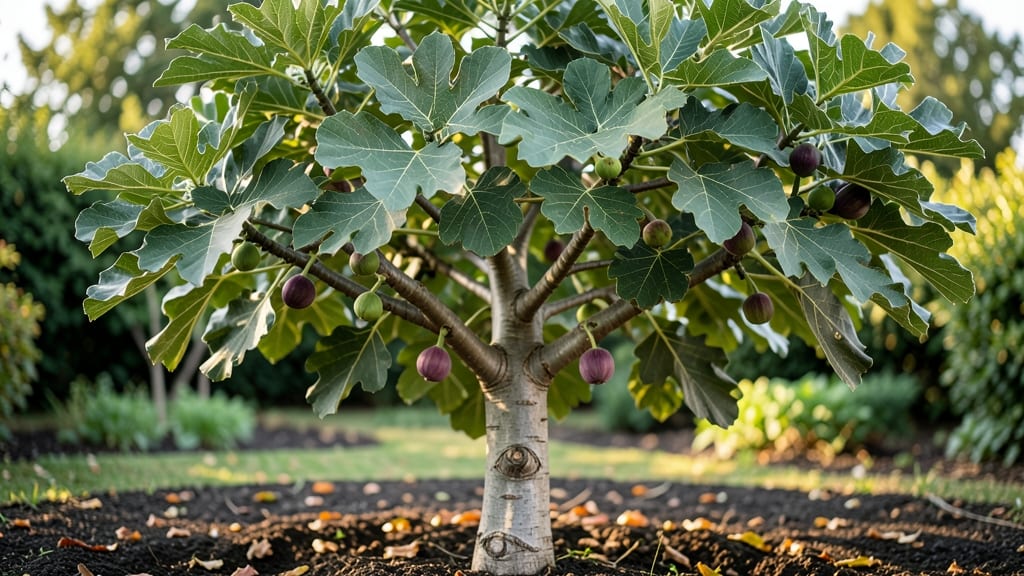
Fig trees produce fruit only after breaking dormancy—and for most varieties, that means waiting 2 to 5 years before your first harvest.
If you’ve planted a fig tree hoping for sweet, sun-ripened fruit but only see lush green leaves, you’re not alone—many gardeners struggle with delayed fig production. The good news? Understanding dormancy cycles and strategic care can accelerate your harvest by months.
For example, Chicago Hardy figs in USDA Zone 6a may start fruiting in their second year if they experience cold winters, while Mediterranean varieties like Brown Turkey thrive in warmer climates and can bear fruit as early as their first year.
The key lies in matching your variety to your climate and giving the tree the right conditions to wake up from dormancy.
In this guide, I’ll break down the fastest ways to encourage fruiting, from pruning tricks to soil hacks, so you can enjoy your first harvest sooner than you think.
Fig tree fruit production timeline: what to expect by variety and climate
Fig trees are patient fruit producers—most won’t bear fruit until their second or third year, but the wait varies dramatically by variety and climate zone.
In my USDA Zone 8 garden, my Brown Turkey figs started producing in year two, while my Chicago Hardy variety took three years to mature enough for fruit. The key lies in understanding how dormancy cycles and seasonal cues trigger fruiting, which I’ll break down by region and variety.
In Mediterranean climates (Zones 9-11), fig trees often fruit twice a year—once in spring and again in fall—thanks to mild winters that prevent full dormancy. However, in colder zones like Zone 7, trees may only produce one crop per year after a winter chill period.
This dormancy requirement is why Chicago Hardy thrives in northern climates while Black Mission struggles without winter chill.
| Variety | First Fruit Year | Peak Production Window | Climate Suitability | Dormancy Notes |
|---|---|---|---|---|
| Brown Turkey | 2-3 years | Late summer (Aug-Sept) | Zones 7-10 | Moderate chill needed |
| Chicago Hardy | 3-4 years | Early summer (June-July) | Zones 4-8 | Hardy, no chill required |
| Black Mission | 3-5 years | Late summer (Sept-Oct) | Zones 9-11 | No dormancy, year-round |
| Celeste | 2-3 years | Spring & fall | Zones 7-10 | Bimodal fruiting |
| Desert King | 4-5 years | Summer (July-Aug) | Zones 8-11 | Heat-tolerant, slow |
First-year fig trees focus all their energy on root and branch growth, so don’t expect fruit in their first spring. Even mature trees may skip fruiting if they experience stress—whether from drought, over-pruning, or improper soil conditions.
In my experience, well-established trees (5+ years old) in optimal conditions can produce 50-100 lbs of figs per season, but younger trees will yield far less.
The leaf drop you see in late fall or winter isn’t a sign of death—it’s a dormancy cue for temperate varieties. Trees like Brown Turkey need 300-600 chill hours (below 45°F) to break dormancy and fruit the next season.
Without this chill, they’ll produce fewer figs or none at all. In warmer climates, varieties like Black Mission skip dormancy entirely and fruit continuously.
Seasonal cues matter just as much as temperature. In Zone 9, my Celeste figs produce spring crops in March-April after winter rains trigger growth, followed by a fall crop in September-October.
This bimodal pattern is common in Mediterranean climates but rare in colder zones. Pay attention to new shoot growth—this signals the tree is ready to fruit.
Regional differences create huge variations in fruiting timelines. In California’s Central Valley (Zone 9), figs ripen as early as June, while in Georgia (Zone 8), the same varieties may not fruit until August.
Even within a single state, microclimates can shift harvest windows by weeks. For example, Chicago Hardy in Zone 6 might fruit in July, while the same tree in Zone 7 could wait until August.
If your fig tree is slow to fruit, check these three factors:
Fig trees are patient plants—sometimes too patient for impatient gardeners! If your tree is thriving with leaves but not producing fruit, it’s likely stuck in a dormancy cycle or missing key signals to bear fruit. The good news? With the right techniques, you can trick your fig tree into fruiting faster by mimicking natural seasonal cues or addressing nutrient gaps. Let’s explore proven methods to jumpstart your harvest. One of the biggest misconceptions is that fig trees fruit immediately after planting. In reality, most varieties need 1-3 years to mature enough for production, but strategic care can cut that timeline by half. For example, Chicago Hardy figs (a cold-hardy variety) often fruit in their second year with proper winter chilling, while Mediterranean types like Black Mission may take longer without heat stress management. The key is understanding your tree’s dormancy requirements and adjusting care accordingly. Don’t overlook the power of espalier training—this pruning technique turns your fig tree into a fruit-producing wall, maximizing sunlight exposure. I’ve seen espaliered figs produce 30% more fruit in the same space by creating a flat, open structure. Start by selecting 3-4 main branches and tying them to a trellis or fence. This method also makes harvesting easier! For potted fig trees, container size matters. If your tree is root-bound, it’ll focus energy on roots instead of fruit. Repot into a 15-gallon container with well-draining soil (mix equal parts potting soil, perlite, and compost) and place it in a south-facing spot for maximum sunlight. Potted figs often fruit earlier because they’re less stressed about water competition. Patience is key, but these techniques can shave months off your fig tree’s fruiting timeline. Start with one or two methods this season—like pruning and potassium fertilization—and track the results. Within a year, you’ll likely see a noticeable difference in fruit production! 🌱How to break dormancy and speed up fig tree fruiting