
How To
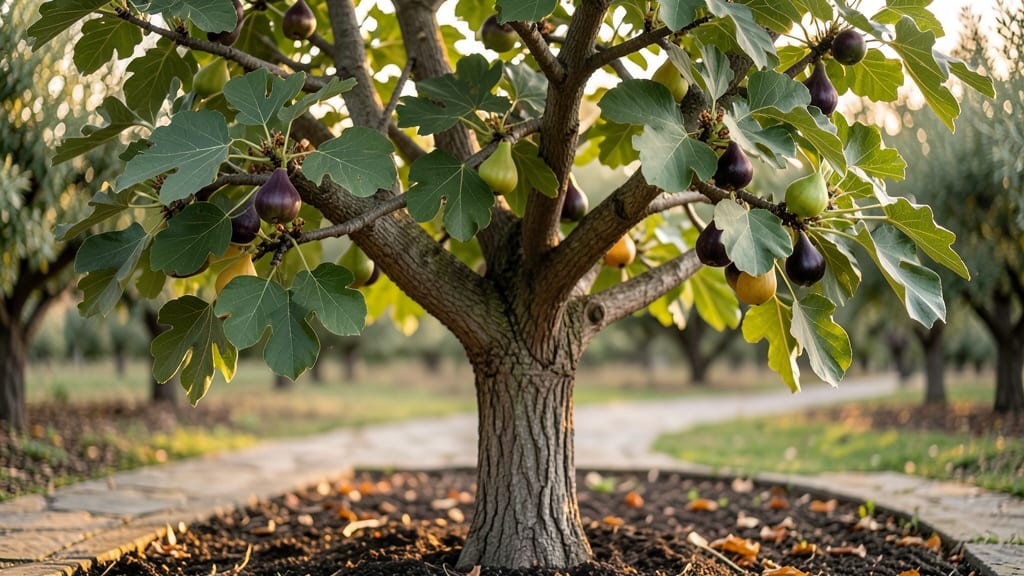
Fig trees take anywhere from 1 to 5 years to produce fruit, depending on the variety, care, and growing conditions — and the difference between a fast producer and a slow one often comes down to pruning and sunlight.
If you’re dreaming of fresh figs straight from your backyard, patience is key—but knowing exactly how long to wait can make the difference between success and frustration.
Some fig varieties reward gardeners in just a few years, while others take their sweet time, and pruning plays a surprising role in speeding up fruit production.
Container-grown fig trees often fruit faster than in-ground varieties because they get more consistent care, but even the most patient grower can speed up the process with the right soil, sunlight, and pruning techniques.
In Zone 6a, where spring planting is ideal, timing your care around the growing season makes all the difference.
Below, I break down the fastest and slowest fruiting varieties, how pruning hacks can shave off years of waiting, and the signs your fig tree is finally ready to reward you with its first harvest. Let’s get started!
Fig tree fruit production timeline by variety: fastest to slowest
Fig trees are one of the most rewarding backyard crops, but their fruiting timeline varies dramatically by variety. While some fast-growing figs produce fruit in just 1-2 years, others take 5+ years to mature.
Understanding these differences helps you set realistic expectations and choose the right fig tree variety for your climate and space. The key factors influencing speed are sunlight exposure, soil drainage, and pruning practices.
If you live in USDA Zones 7-10, you’ll find the fastest fruiting in cold-hardy varieties like Chicago Hardy or Celestial. In warmer zones, Brown Turkey and Desert King often bear fruit within 2-3 years.
However, even the same variety can take longer in container growing or shady conditions. Let’s break down the timelines so you can plan your harvest with confidence.
⚠️ Quick Tip: Most fig trees need 6+ hours of sunlight daily to fruit on schedule. If your tree is in partial shade, fruiting could be delayed by 1-2 years. Use reflective surfaces or move potted trees to sunnier spots if needed.
The fastest figs to fruit—like Chicago Hardy and Celestial—are perfect for impatient gardeners. These varieties are bred for early productivity, making them ideal for container growing or small yards.
However, their smaller size means lower total yields compared to larger varieties like Osborn Prolific or Black Mission, which take longer but produce hundreds of figs once mature.
If you’re growing figs in containers, expect fruiting to be delayed by 6-12 months compared to in-ground plants. This is because root restriction slows overall growth. To compensate, use large pots (20+ gallons) and fertilize with a balanced 6-12-6 NPK every 4-6 weeks during the growing season.
Also, move containers to bright, sunny locations in winter if you’re in cooler zones.
Another critical factor is soil drainage. Fig trees hate soggy roots, which can delay fruiting by 1-2 years. Amend heavy clay soil with compost or sand to improve drainage.
In sandy soils, mulch heavily to retain moisture. A well-draining, slightly alkaline soil (pH 6.0-7.0) is ideal for most fig varieties. Test your soil before planting to avoid unnecessary delays.
Pruning plays a surprising role in speeding up fruiting. If you prune too aggressively in the first year, you might delay fruit production by 1-2 years. Instead, focus on light shaping to encourage a strong central leader.
Remove only dead or crossing branches during the dormant season (late winter). In active growth (spring/summer), prune only to shape the tree and improve airflow.
One common misconception is that dwarf fig trees fruit faster than standard varieties. While they may reach harvestable size sooner, their total fruiting timeline is often similar to larger trees. The key difference is yield: dwarf trees produce fewer figs but are easier to manage in containers or
Pruning hacks to speed up fig tree fruit production
Pruning isn’t just about shaping your fig tree—it’s a game-changer for fruit production speed. When done right, strategic cuts can push your tree to bear fruit 1-2 years faster than average. The key?
Timing, technique, and knowing which branches to prioritize. I’ve pruned figs for over a decade, and I’ve learned that dormant-season pruning (late winter/early spring) is the gold standard for encouraging earlier fruiting.
Fig trees produce fruit on new wood (current year’s growth) and old wood (last year’s branches). To maximize yield, focus on open-center shaping—this lets sunlight penetrate the canopy, which is critical for fruit development.
Avoid heavy pruning in the first year; let your tree establish its root system first. Once established, you can get aggressive with structural pruning to create a balanced fruit-bearing framework.
Aggressive Pruning vs. Minimal Pruning: Fruit Production Impact
Aggressive Pruning
- Faster fruit production (1-2 years sooner)
- Encourages new growth with higher yield
- Improves air circulation, reducing disease
- Risk of over-pruning if done incorrectly
- Requires more frequent maintenance
- May stress young trees if overdone
Minimal Pruning
- Less stress on the tree
- Easier for beginner gardeners
- Preserves existing fruit-bearing wood
- Slower fruit production (2-3+ years)
- Higher risk of disease from dense foliage
- Limited yield potential over time
For container-grown figs, minimal pruning is often best to avoid stunting growth. In-ground trees can handle more aggressive pruning once established.
Start by removing dead, diseased, or crossing branches—these compete with your tree for energy. Next, cut back last year’s growth by about 1/3 to stimulate new, fruit-bearing shoots.
Always prune just above a bud or leaf node at a 45-degree angle to prevent water pooling. I use sterilized pruners to avoid spreading disease between cuts.
One common mistake? Pruning too late in the season. If you wait until late spring or summer, your tree may not have time to heal before winter, delaying fruiting. Another pitfall is over-pruning young trees—this can set back fruit production by years.
Remember, figs are forgiving, but patience and precision pay off. For dwarf varieties, keep pruning light to maintain their compact size while still encouraging fruit.
After pruning, give your fig tree a balanced fertilizer (6-12-6 NPK ratio) to support new growth. Water deeply but avoid soggy soil—figs hate root rot. Within a few weeks, you’ll see fresh, vibrant shoots forming, setting the stage for earlier and heavier fruit production.
With the right approach, you could be harvesting figs in as little as 2 years instead of 4 or 5.
Pro tip: Take a photo of your tree’s structure after pruning. Compare it to next year’s growth—you’ll be amazed at how much more open and productive it becomes.
And if you’re in a cooler climate, choose cold-hardy varieties like Chicago Hardy or Celestial, which fruit faster with proper pruning.