
Trees
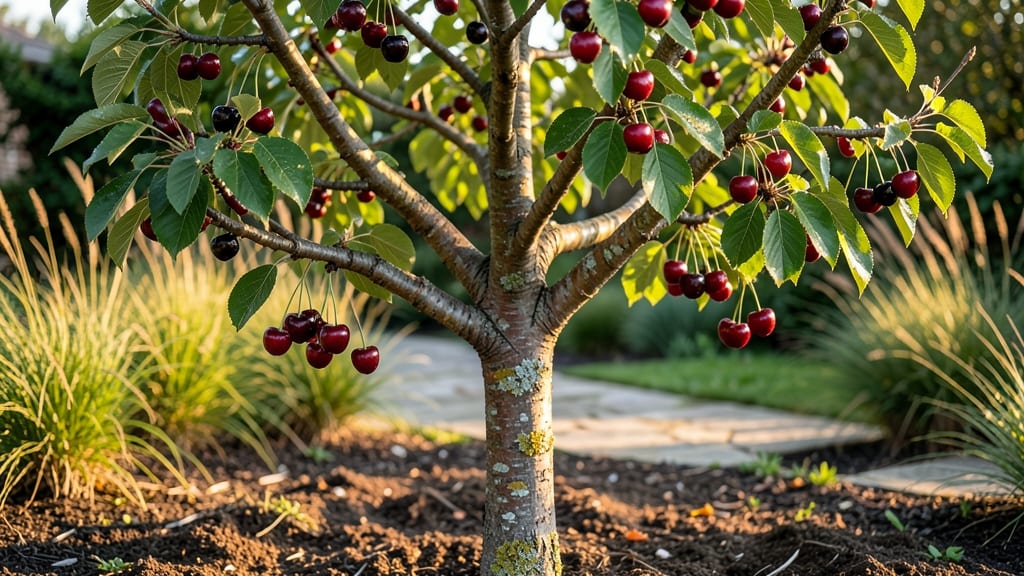
What time of year do cherry trees produce fruit? Late spring to early summer is the prime window for cherry trees to bear fruit, though the exact timing shifts based on variety, climate, and even last year’s pruning.
If you’ve ever wondered why your cherry tree isn’t bearing fruit—or when to expect those sweet, juicy cherries—timing is everything. The bloom-to-harvest window for cherry trees varies dramatically by type, from tart sour cherries to sweet Bing varieties, and even a late frost can throw off the whole schedule.
For most gardeners in USDA Zone 6a, the fruit ripens between May and June, but in warmer regions, you might see cherries as early as April.
Ornamental varieties often bloom earlier but may not produce edible fruit at all, so knowing your tree’s type is the first step to planning ahead.
Below, I break down the exact bloom-to-harvest timeline by cherry type, how climate affects ripening, and the pruning tricks that can push your tree into production—even if it’s been skipping seasons.
Cherry tree bloom and fruit production timeline by variety
Understanding the bloom-to-harvest timeline for cherry trees is key to maximizing your fruit yield. Different varieties—whether sweet cherries, sour cherries, or tart cherries—follow distinct schedules, often influenced by your USDA hardiness zone and local climate.
For example, early bloomers like Montmorency sour cherries may start flowering as early as late March, while late varieties like Bing sweet cherries might wait until mid-April.
Most cherry trees require 60-90 chill hours (temperatures between 32°F and 45°F) during dormancy to trigger blooming. If your region lacks sufficient chill hours, consider low-chill varieties like Stella sweet cherry or Balaton sour cherry.
Without adequate chill, buds may fail to open, leaving you with no fruit production despite proper care.
The fruit development stage spans roughly 8-12 weeks after pollination, with harvest typically occurring between late May and early July. However, this window shifts based on your location—northern climates may see harvests as late as August, while southern regions might start as early as April for early varieties.
For sweet cherries, like Bing or Rainier, cross-pollination is essential—plant at least two compatible varieties within 50 feet of each other. Sour cherries, such as Montmorency, are self-fertile, making them ideal for small gardens.
If you're in a warmer climate (USDA Zones 8-10), opt for low-chill varieties like Stella or Lapins, which thrive with fewer than 500 chill hours.
Regional adjustments are crucial. In northern climates (e.g., USDA Zone 4), late frosts can devastate early bloomers. To mitigate this, choose late-blooming varieties like Lambert sweet cherry or use frost cloths to protect blossoms.
Conversely, in southern climates (e.g., Zone 9), heat stress during bloom can reduce fruit set—water deeply during dormancy to ensure healthy buds.
Pruning plays a critical role
How climate and pruning affect cherry tree fruit yield
Climate plays a critical role in cherry tree fruit production, with temperature fluctuations and frost risks determining whether your tree bears fruit at all. Sweet cherries, for example, require chill hours (300-1,000 hours below 45°F) to trigger blooming, while tart cherries need even more.
In warmer climates, insufficient chill hours can delay or prevent flowering entirely.
Pruning also impacts yield by controlling fruit load and air circulation. Over-pruning reduces fruit production, while aggressive pruning in late winter can stimulate early blooms—risking frost damage. The key is balancing structural pruning (removing dead wood) with fruit-thinning pruning (opening the canopy for sunlight).
⚠️ Warning: Late Spring Frost Threatens Fruit
Cherry trees bloom early spring (March-April), making them vulnerable to late frost. A single 28°F night can destroy blossoms, wiping out that year’s harvest. Monitor frost forecasts and use row covers or smoke generators to protect flowers.
Regional climate differences matter too. In Zone 5-6, cherries typically ripen by late June, while in Zone 8-9, harvest extends to July-August. Heatwaves during fruit development can cause cracked cherries or poor flavor, so consistent watering is essential during dry spells.
For maximizing yield, prune in late winter (before buds swell) to remove water sprouts and crossing branches. Thin fruit clusters in early summer to leave 6-8 inches between cherries, ensuring larger, sweeter fruit. Avoid heavy pruning after June, as it stresses the tree before harvest.
Soil health also ties to fruit production. Well-draining, slightly acidic soil (pH 6.0-6.5) prevents root rot and supports nutrient uptake. Test your soil annually and amend with compost or aged manure in early spring to boost potassium and phosphorus, which fuel fruit development.
By aligning pruning schedules with your local climate and protecting blossoms from frost, you can double or triple your cherry tree’s yield. Even a 5-year-old tree can produce 50-100 lbs of fruit annually with proper care—just don’t skip the late-winter cleanup! 🌱