
Trees
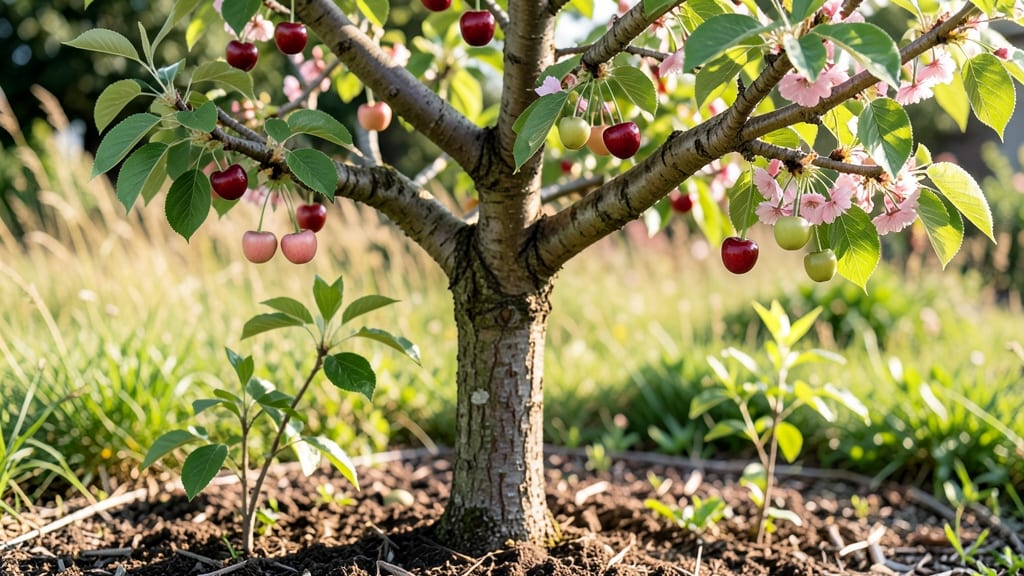
Cherry trees produce fruit anywhere from 2 to 5 years after planting, depending on the variety and growing conditions—so patience is key if you’re dreaming of that first harvest.
Picture this: you’ve planted your 🍒 cherry tree in early spring, and now you’re waiting, wondering if it’ll ever bear those sweet (or tart) rewards. The truth is, timing isn’t just about age—it’s also about climate, pollination, and even how well you’ve cared for it in those early years.
Sweet cherries like Bing or Rainier often fruit earlier, sometimes as soon as 2–3 years, while sour varieties or ornamental types may take longer.
But here’s the catch: if your tree isn’t producing by year 5, something might be off—whether it’s poor pollination, harsh winters, or a lack of nutrients.
Below, I’ll walk you through the seasonal stages of fruiting, how climate zones shift the timeline, and the simple fixes to ensure your cherry tree delivers that juicy payoff you’re hoping for.
Cherry tree fruiting timeline: seasonal stages by variety
Cherry trees are a gardener’s dream for their stunning blooms and delicious fruit—but their fruiting timeline varies dramatically by variety, climate, and tree age.
Sweet cherries like Bing or Rainier follow a distinct seasonal rhythm, while tart varieties like Montmorency or ornamental types like Stella have their own schedules. Understanding these stages helps you anticipate harvests and troubleshoot delays.
Most cherry trees take 3 to 5 years to bear fruit after planting, though dwarf varieties like Stella may fruit in just 2 years. The journey from bloom to harvest involves critical temperature thresholds, pollination windows, and fruit development phases.
For example, late spring frosts can devastate blossoms, while summer heat waves may stunt fruit growth. Let’s break it down by stage and variety.
| Variety | Bloom Time | Fruit Development | Harvest Window | Key Notes |
|---|---|---|---|---|
| Sweet Cherries (Bing, Rainier, Lambert) | Late April - Early May | May - June (6-8 weeks) | Late June - Early July | Requires cross-pollination; sensitive to frost |
| Tart Cherries (Montmorency, Meteor) | Mid-April - Mid-May | June - July (7-9 weeks) | July - Early August | Self-pollinating; thrives in cooler climates |
| Ornamental Cherries (Stella, Okame) | Early April - Late April | May (minimal fruit; focus on flowers) | Not edible; decorative only | Prioritizes blooms over fruit production |
| Dwarf Varieties (Black Tartarian, Morello) | Late April - Early May | May - June (5-7 weeks) | Late June - July | Fruits earlier than standard trees |
Blooming is the first critical stage, typically occurring in late April to early May for most varieties. Sweet cherries like Bing need temperatures above 50°F (10°C) for 7-10 days to trigger blossoming. Tart cherries like Montmorency bloom slightly earlier and can tolerate cooler temperatures, making them better suited for USDA zones 4-6. Ornamental varieties like Stella prioritize showy flowers over fruit, so their blooms are the main attraction.
After blooming, pollination must occur within 48 hours for fruit to set. Sweet cherries require cross-pollination between two compatible varieties (e.g., plant Bing and Rainier together). Tart cherries are often self-pollinating, simplifying their care.
If pollination fails due to cold rain or lack of bees, you’ll see dropped blossoms by late May.
Fruit development spans 6-9 weeks, depending on the variety. During this phase, cherries grow rapidly and require consistent moisture to prevent cracking. Sweet cherries like Rainier develop a distinctive red-yellow blush, while tart varieties remain deep red. Monitor for bird activity—they’ll peck at nearly ripe fruit, so consider netting if yields are precious.
The harvest window arrives when fruit changes color and yields slightly to pressure. Sweet cherries like Bing ripen in late June to early July, while tart varieties like Montmorency extend into early August.
Pick in the morning after dew has dried to preserve quality. Overripe cherries bruise easily, so harvest promptly once they’re ready.
For young trees (under 3 years old), fruit production may be minimal or nonexistent. Focus on pruning, fertilizing, and watering to build root and canopy strength. Mature trees (5+ years) can produce 50-100 lbs of fruit annually, depending on variety and care.
If your tree blooms but drops fruit, check for poor pollination, disease, or nutrient deficiencies.
Climate plays a huge role in timing. In warmer zones (8-10), cherries may bloom and fruit 2-3 weeks earlier than in cooler regions. Conversely, late spring frosts in zones 5-6 can destroy blossoms entirely.
Mulch around the base in winter to protect roots, and avoid heavy pruning in late summer to encourage new growth before dormancy.
Pro tip: Mark your calendar for last frost dates in your area. Most cherry varieties need 100-150 chill hours (below 45°F) to break dormancy. If you’re in a mild-winter zone, consider dwarf varieties or low-chill cultivars like Stella for reliable blooms.
🌱
How climate zones affect cherry tree fruit production
Your cherry tree’s ability to produce fruit hinges on climate zone compatibility. Cold-hardy varieties like Montmorency thrive in USDA zones 3-6, while sweet cherries (e.g., Bing) prefer zones 5-8. Frost timing and heat accumulation during dormancy directly impact fruit set and yield.
For example, late spring frosts in zone 6 can destroy blossoms, while zone 9 heat waves may cause fruit drop.
In northern climates (zones 3-5), cherry trees enter dormancy earlier, requiring stratification and cold exposure to break dormancy. Southern climates (zones 8-10) demand summer dormancy techniques, like shade cloth, to prevent heat stress. Even microclimates matter—urban areas with heat islands may push zones up by 1-2 levels, altering flowering times.
| Climate Zone | Best Varieties | Key Care Adjustments | Fruiting Window |
|---|---|---|---|
| Zones 3-5 | Montmorency, Meteor | Late-winter pruning, thick mulch, frost cloth for blossoms | Late June-July |
| Zones 6-7 | Bing, Stella, Rainier | Thin fruit early, drip irrigation, summer shade | May-June |
| Zones 8-10 | Sour cherries (Duke), dwarf varieties | Afternoon shade, winter chilling hours, winter mulch | April-May |
In cooler climates, prioritize late-winter pruning (February-March) to remove dead wood and open the canopy for sunlight. Apply a 3-inch mulch layer of wood chips to insulate roots from soil temperature swings.
For warmer zones, prune in early spring (before buds swell) and use drip irrigation to prevent water stress during fruit development.
Heat accumulation is critical—cherry trees need 500-1,000 chilling hours (below 45°F) to break dormancy. In zone 9+, consider dwarf varieties like Stella, which tolerate partial shade. If your tree skips fruiting, check for inadequate chilling hours—a chilling hour calculator can help diagnose the issue.
Adjust watering schedules based on your zone: Zone 5 trees need deep watering every 7-10 days in summer, while zone 8 trees may require daily watering during heatwaves. Always water at the base of the tree to avoid fungal diseases like brown rot, which thrives in wet foliage.
With the right climate-specific care, your cherry tree can produce fruit reliably for decades. Start by matching your variety to your zone, then fine-tune with pruning, mulching, and irrigation tailored to your local conditions.
Patience pays off—most trees take 3-5 years to bear fruit, but proper zone-specific care ensures a lifetime of harvests.