
Pruning
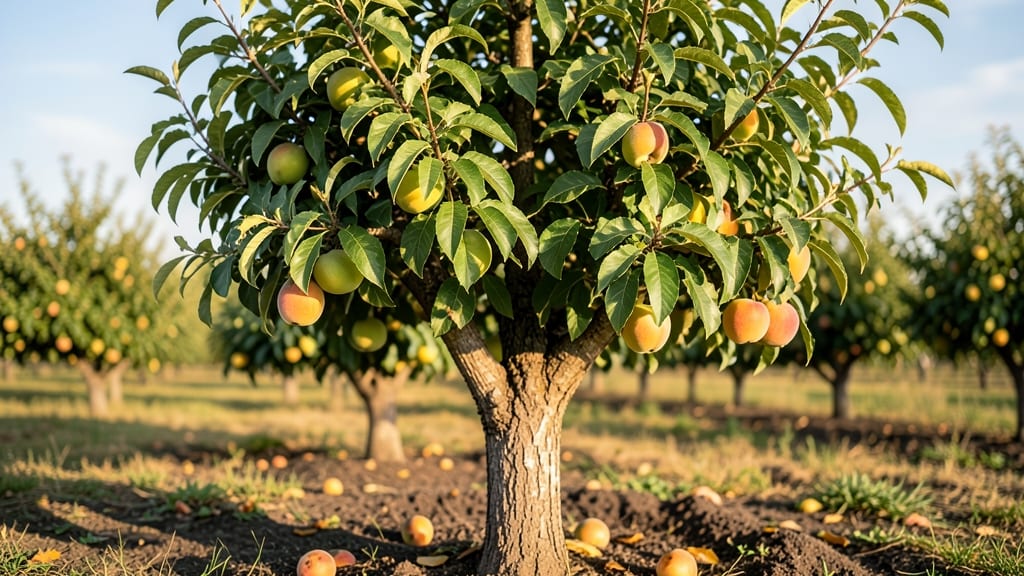
Your fruiting peach tree could produce 20% more fruit this season—if you prune it right. ✂️ I’ve spent years watching peach trees go from scraggly to showstopping, and the secret isn’t fancy tools or expensive fertilizers.
It’s precision pruning at the right time, paired with a few simple care habits that most gardeners overlook. The best part? You don’t need a green thumb to make it happen.
Start with the right variety for your climate, give it well-draining soil, and time your pruning to encourage strong branches before bloom season. My trees now produce bushels of ripe peaches by midsummer, and the method works for both young saplings and mature trees.
You’ll see thicker branches, more blossoms, and fewer empty limbs by next spring. The key is cutting back last year’s growth in late winter—just before buds swell—and shaping the tree to let sunlight reach every fruit. No more half-empty branches or tiny, bitter peaches.
Works for home orchards, backyard trees, and even container-grown peaches. Here’s how to get started without the guesswork.
📚 In This Guide
- What you need
- Instructions
- Tips and common mistakes
- Wrapping up and next steps
What you need
- ● Pruning shears: Bypass shears (sharp, clean, and sterilized with rubbing alcohol between cuts) – 1 pair.
- ● Loppers: For thicker branches (2–4 inches in diameter) – 1 pair.
- ○ Pruning saw: For large branches (4+ inches) – 1 (optional but helpful for mature trees).
- ● Gloves: Heavy-duty gardening gloves (cut-resistant) – 1 pair.
- ● Disinfectant: 70% isopropyl alcohol or bleach solution (1 part bleach to 9 parts water) – small bottle.
- ○ Pruning sealant: (Optional) For sealing larger cuts to prevent disease – small tube.
- ● Marking twine or flags: For tagging branches to remove later – small roll.
- ● Bucket or bag: For collecting pruned branches – 1-2.
- ● Healthy tree: A dormant or young peach tree (2–5 years old) with no signs of disease (e.g., fungal spots, oozing sap).
- ● Weather window: Prune during late winter/early spring (before buds swell) or summer (after harvest) for best results.
- ● Sunlight: Ensure your tree gets 6–8 hours of full sun daily.
- ● Water access: A hose or drip irrigation system for post-pruning hydration.
- ● ✨ Sterilize tools between cuts to avoid spreading bacterial/fungal infections.
- ● 🎯 Use sharp tools—dull shears tear bark, inviting pests and disease.
- ● 🌡️ Prune on a dry, cool day (avoid rainy or windy conditions).
- ● 🔥 Dispose of pruned branches properly—burn or chip them to prevent disease spread.
Instructions for maximizing fruit on your peach tree
Here’s how I turn a peach tree’s natural energy into a bountiful harvest—no guesswork, just precision.
✂️ Step 1: Prune for Structure in Late Winter
Start when the tree is still dormant but buds have begun to swell—typically mid-February to early March in most climates. I remove dead, crossing, or diseased branches first, cutting back to the nearest outward-facing bud. This opens the canopy to sunlight and air, which prevents fungal diseases that rot fruit.
Next, shape the tree by thinning overcrowded branches to maintain an open center. Aim for a modified central leader shape—one main trunk with scaffold branches spaced 12-18 inches apart. Use clean, sharp pruners to make cuts at a 45-degree angle just above a bud. Avoid leaving stubs; they invite disease and slow healing.
☀️ Step 2: Thin Fruit in Early Spring
Once flowers bloom and small fruit sets, thin clusters to 6-8 inches apart when peaches are golf-ball sized (about 1.5 inches in diameter). This ensures larger, higher-quality fruit by reducing competition for nutrients. I remove excess fruit by gently twisting it off—don’t cut, as this can damage the branch.
Focus on keeping the strongest, healthiest-looking fruit on each branch. Weak or misshapen peaches won’t ripen properly, so don’t hesitate to sacrifice them early. Thin on a dry, sunny day to allow wounds to heal quickly and prevent rot.
💧 Step 3: Water Deeply During Fruit Development
Peaches need 1-1.5 inches of water per week during the growing season, but deep, infrequent watering produces better fruit. I water at the base of the tree (not the leaves) every 7-10 days, soaking the soil to a depth of 12-18 inches. A drip irrigation system works best—it delivers water slowly and reduces evaporation.
Watch for signs of stress: wilting leaves or premature fruit drop mean the tree isn’t getting enough water. Mulch with 2-3 inches of organic material (like wood chips) to retain moisture and regulate soil temperature. Keep mulch 6 inches away from the trunk to prevent rot.
⏰ Step 4: Monitor for Pests and Diseases
Peach trees are prone to brown rot and aphids, both of which can devastate fruit. I inspect the tree weekly starting in early summer, looking for black spots on fruit (brown rot) or sticky residue on leaves (aphids). If you spot brown rot, remove infected fruit immediately and apply a copper fungicide as a preventive spray.
For aphids, blast them off with a strong stream of water from a hose. If infestations persist, use neem oil—it’s organic and effective. Prune out any suckers (shoots growing from the base) and watersprouts (vertical shoots) to redirect the tree’s energy into fruit production.
🍑 Step 5: Harvest at Peak Ripeness
Peaches are ready to pick when they freely separate from the tree with a gentle twist and have a slightly soft, fragrant aroma. I harvest on a dry morning to avoid spreading disease, using pruners to cut stems cleanly. Never pull fruit by the stem—this can damage the branch.
Test ripeness by pressing the blush side of the peach: it should yield slightly. Overripe peaches bruise easily, so pick them just before eating or storing. Once harvested, store peaches at room temperature for 2-3 days to ripen fully, then refrigerate to extend shelf life.
Tips & tricks for maximizing your peach tree's fruit production
Here's what I've learned after years of trial and error to help you avoid common pitfalls with your peach tree.
Pruning Precision: When shaping your tree in Step 1, always make cuts just above a bud that faces outward. This ensures new growth will develop away from the center, maintaining that open canopy we want. I've seen too many trees end up with dense centers that block sunlight and invite disease—don't make my mistake! The 45-degree angle cut is crucial too; it helps water run off and prevents rot at the wound site.
Fruit Thinning Strategy: In Step 2, I can't emphasize enough how important it is to thin when peaches reach golf-ball size. This is when competition for nutrients is most intense, and removing excess fruit now prevents later stress on the tree. I aim for 6-8 inches between fruit—this might seem excessive, but trust me, it makes all the difference in fruit quality. The key is to be ruthless with weak or misshapen fruit early, rather than hoping they'll improve.
Watering Wisdom: The deep watering approach in Step 3 might seem counterintuitive if you're used to frequent light watering, but it's essential for developing strong root systems. I use a soil probe to check moisture levels—if it's dry at 12 inches, it's time to water. The drip irrigation system I mentioned is a game-changer; it delivers water right at the roots where it's needed most, without wetting the leaves and inviting fungal diseases.
Pest Prevention: For Step 4, I've found that the weekly inspections make all the difference in catching problems early. Brown rot spreads like wildfire, so remove any infected fruit immediately and dispose of it in the trash—not the compost. And for aphids, I've had great success with a simple homemade spray of water and a few drops of dish soap—it works almost as well as neem oil and is much gentler on beneficial insects.
Pro Tips for Fruiting Peach Tree
- Here's what I've learned after years of trial and error to help you avoid common pitfalls with your peach tree.
- Pruning Precision: When shaping your tree in Step 1, always make cuts just above a bud that faces outward.
- Fruit Thinning Strategy: In Step 2, I can't emphasize enough how important it is to thin when peaches reach golf-ball size.
Frequently asked questions
Got questions about keeping your fruiting peach tree thriving? Here are some of the most common ones—and their answers—to help you grow the juiciest peaches possible!
When should I prune a fruiting peach tree for maximum fruit?
Prune your peach tree twice a year: late winter (before buds swell) to shape the tree and remove dead wood, and summer (after harvest) to thin out overcrowded branches. Avoid heavy pruning in fall—it can invite disease. Pro tip: Use sharp, sterilized tools to prevent spreading bacteria!
How long does it take for a peach tree to bear fruit after planting?
Most peach trees take 2–4 years to bear fruit after planting, depending on variety and care. Dwarf varieties may fruit sooner (1–2 years), while standard trees can take up to 5 years. Patience pays off—consistent pruning, watering, and fertilization speed up the process! Pro tip: Choose self-pollinating varieties (like 'Redhaven' or 'Elberta') for faster fruiting.
Why aren’t my peach tree’s fruits ripening evenly?
Uneven ripening often stems from inconsistent sunlight or poor pollination. Thin out dense branches during summer pruning to improve airflow and light exposure. If pollinators are scarce, hand-pollinate with a small brush. Watch for: Overcrowded branches (prune aggressively) or pests like aphids (spray neem oil if needed).
Can I grow a peach tree in a container? What’s the best size?
Yes! Peach trees thrive in containers if given enough space—aim for a 15–20 gallon pot (minimum 24" deep) for dwarf varieties. Use well-draining soil and repot every 2–3 years. Place in full sun and water deeply when the top 2" of soil dries out. Warning: Container trees may produce smaller yields and need winter protection in cold climates.
How do I prevent peach tree diseases like brown rot?
Brown rot (a fungal disease) thrives in wet conditions. Prevent it by:
- Pruning for airflow (remove crossing branches).
- Applying copper fungicide in early spring and after harvest.
- Cleaning up fallen fruit and debris promptly.
- Avoiding overhead watering.
Wrapping up and next steps
Growing a fruiting peach tree is a rewarding journey that blends patience, skill, and a touch of nature’s magic! 🌱 By mastering precision pruning—whether in winter’s dormancy or summer’s growth spurts—you’ll unlock bountiful harvests year after year.
Remember, every cut shapes not just the tree, but the future of your orchard’s success, so stay consistent and observe your tree’s unique language.
Ready to turn theory into action? Start small: pick one pruning season to refine your technique, then gradually expand your skills. Before you know it, you’ll be savoring juicy, homegrown peaches—and maybe even sharing the secrets with fellow gardeners! 🍑✨