
Size
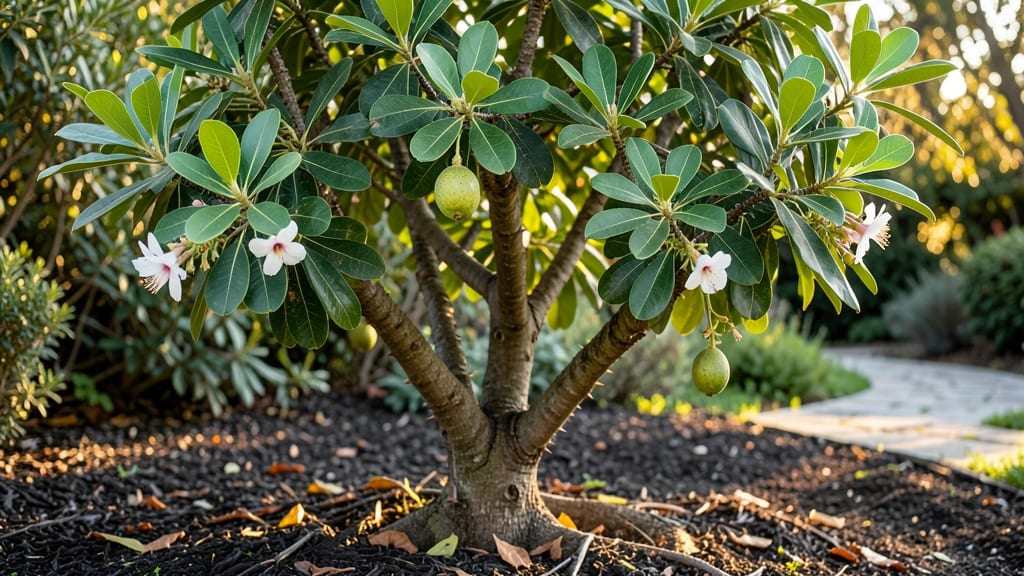
Guava fruits thrive in tropical and subtropical climates, where warm temperatures, high humidity, and well-drained soil create ideal growing conditions. Originally from Central America, they're now widely cultivated in Asia, Africa, and parts of South America.
Guava trees love the heat and moisture of tropical zones, where daytime temperatures stay between 75°F and 90°F—any cooler, and fruit production slows dramatically. 🌴 The trees also demand 60-80% humidity and full sun exposure, though they can tolerate partial shade in extremely hot regions.
This explains why countries like India and Brazil dominate global guava production—they offer perfect combinations of these conditions year-round.
What's fascinating is how regional climates shape guava varieties. In Thailand's steamy jungles, you'll find small, aromatic fruits perfect for juices, while Mexico's drier tropical zones produce larger, sweeter varieties ideal for fresh eating.
The soil matters too—guavas hate soggy roots but thrive in sandy loam with good drainage, which is why coastal areas often see the best harvests.
💡 In This Article
- Optimal Climate Conditions for Guava Tree Growth
- Top Global Regions for Guava Cultivation
Optimal climate conditions for guava tree growth
Guava trees (Psidium guajava) are tropical specialists, requiring a precise balance of warmth, moisture, and sunlight to flourish. The ideal temperature range for growth and fruiting sits between 75°F and 90°F during the day, with nighttime temperatures rarely dropping below 60°F.
Below 50°F, the trees enter a dormant state, halting fruit production entirely. This explains why guavas struggle in temperate climates—their delicate flowers need consistent warmth to pollinate and set fruit.
The humidity requirement is equally critical. Guava trees thrive in 60-80% relative humidity, which prevents leaf scorch and maintains the tree's metabolic activity. In drier regions, growers often use drip irrigation systems to maintain soil moisture at 30-40% volumetric water content.
The trees also demand 6-8 hours of direct sunlight daily, though they can tolerate partial shade in regions where afternoon sun exceeds 95°F, which would otherwise cause leaf burn.
Soil composition plays a surprising role in guava cultivation. While they tolerate a range of soil types, the best production occurs in sandy loam soils with pH levels between 5.5 and 7.0.
The key factor is drainage—guava roots rot quickly in waterlogged conditions, yet they need consistent moisture to develop sweet, juicy fruit. In heavy clay soils, growers often mound the soil around the trunk to prevent root suffocation during heavy rains.
This explains why coastal regions often produce the most flavorful guavas—the combination of sandy soil and sea breeks creates perfect growing conditions.
What most people don't realize is how temperature affects fruit quality. When daytime highs exceed 95°F for extended periods, guavas develop a tougher skin and less sweet flesh due to accelerated photosynthesis. Conversely, in cooler tropical zones like parts of Mexico, the fruit grows larger with a more delicate texture.
The balance between heat and moisture creates the perfect storm for guava cultivation—too little of either, and you get small, seedy fruit; too much, and the flavor becomes bland. 🌡️
Seasonal variations also influence growth patterns. In monsoon regions like India, guavas produce two main harvests: one after the pre-monsoon rains (March-May) and another during the monsoon season (July-September).
The first crop tends to be smaller but more aromatic, while the monsoon fruits are larger but with thinner skins. This seasonal rhythm is why guava trees are often called "climate indicators"—their productivity directly reflects local weather patterns.
One fascinating adaptation is how guava trees handle wind. Their compact, rounded shape and flexible branches allow them to withstand tropical storms, which is crucial in coastal growing regions.
However, excessive wind can still damage flowers and young fruit, which is why many commercial orchards plant windbreaks or use netting systems. This resilience explains why guavas thrive in diverse tropical locations from the Caribbean to Southeast Asia.