
Trees
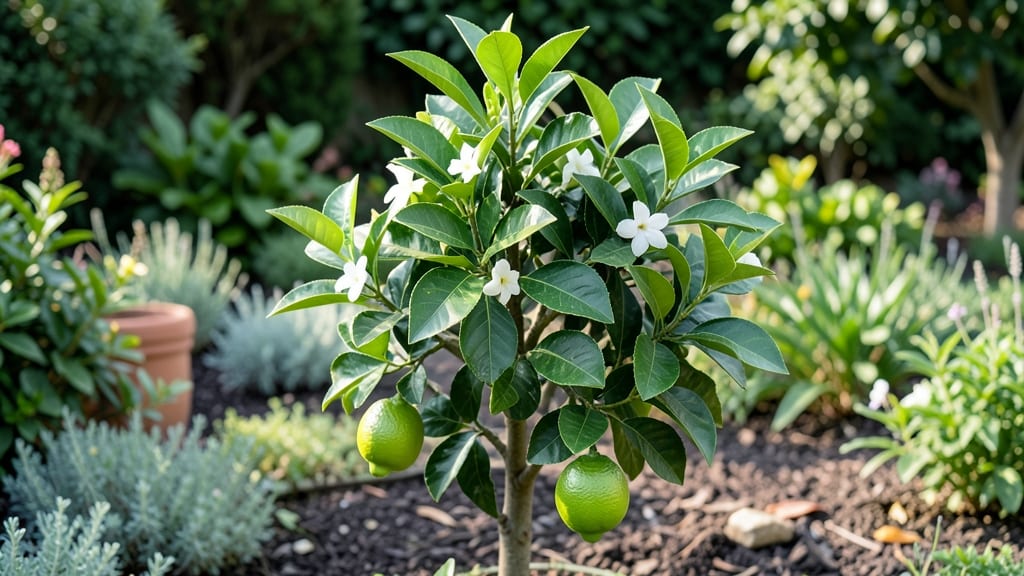
Growing fruit trees inside isn't just possible—it's the secret to fresh lemons in December. 🌱 I've watched my Meyer lemon tree produce fruit every winter, proving that dwarf varieties can thrive in containers with the right care.
The key isn't fancy equipment but matching their needs to your space, from light to humidity.
Start with varieties bred for small spaces like dwarf citrus, columnar apples, or fig trees. A 5-gallon pot works for young trees, but they'll need 10+ gallons as they grow.
Place them near a south-facing window or under a grow light for 12+ hours daily. Well-draining soil and a saucer for watering (not soggy roots) keeps them happy.
By summer, you'll see blossoms and tiny fruit forming—proof that indoor fruit trees work. The scent of citrus blooms in winter or the sight of apples on a kitchen windowsill makes every effort worth it. Prune lightly after harvest to encourage shape, and watch them grow.
Even in small apartments, you can grow fruit trees. The trick is patience and consistency—just like any garden, but with a cozy indoor twist. Here's how to make it work without the guesswork.
📚 In This Guide
- What you need
- Instructions
- Tips and common mistakes
- Wrapping up and next steps
What you need
- ● Dwarf fruit tree varieties: Choose from citrus (e.g., Meyer lemon, Calamondin orange), stone fruits (e.g., dwarf peach, plum), or apples (e.g., 'Columnar' or 'Semi-Dwarf'). Quantity: 1–3 trees (depending on space).
- ● Large containers: Use pots with drainage holes, at least 12–18 inches in diameter and 12–18 inches deep for mature trees. Material: Terracotta, ceramic, or high-quality plastic.
- ● High-quality potting mix: A well-draining blend like cactus/succulent mix or a 50/50 mix of potting soil and perlite. Quantity: Enough to fill your containers (typically 1–3 bags per tree).
- ● Slow-release fertilizer: Look for a balanced, citrus-specific, or fruit-tree formula (e.g., 10-10-10 or 8-3-9). Quantity: Enough for seasonal feeding.
- ● Organic mulch: Shredded bark or straw to retain moisture and regulate soil temperature.
- ● Pruning shears: Sharp, bypass-style shears for shaping and maintaining your tree.
- ● Trowel or small shovel: For planting and repotting.
- ● Watering can or hose with a gentle spray nozzle: Avoid overwatering—containers dry out faster!
- ○ pH testing kit: Optional but helpful to monitor soil acidity (ideal range: 6.0–7.0 for most fruit trees).
- ○ Grow lights (LED or fluorescent): Optional but critical if natural light is limited (12–16 hours/day for optimal growth).
- ● Humidity tray or pebble tray: Helps maintain moisture, especially for tropical varieties like citrus.
- ● Sunlight access: A south-facing window or a spot near a grow light (minimum 6–8 hours of sunlight/day).
- ● Temperature control: Most dwarf fruit trees thrive in 60–80°F ranges. Avoid drafts or extreme heat/cold.
- ● Patience: Dwarf trees take 3–5 years to bear fruit, but the wait is worth it! 🍊✨
How to grow dwarf fruit trees indoors successfully
Here's how I've grown healthy, fruiting dwarf trees on windowsills for years—no greenhouse needed.
🪴 Step 1: Choose the Right Dwarf Variety and Container
Select a cold-hardy dwarf variety like 'Patio' apple, 'Columnar' pear, or 'Bonanza' peach—these handle indoor conditions best. A 5-gallon container with drainage holes is perfect for your first tree. I avoid plastic because it traps moisture and encourages root rot.
Fill the pot with well-draining potting mix (never garden soil) mixed with 20% perlite to prevent compaction. The mix should feel like a damp sponge—squeeze it gently and it should hold its shape but not drip water. This prevents soggy roots while keeping moisture available.
☀️ Step 2: Position for Maximum Light and Temperature
Place your tree in the sunniest window—south-facing gets 6+ hours of direct light, while east or west works with supplemental grow lights. Without enough light, leaves yellow and fruit won't develop properly. I use a full-spectrum LED grow light on a timer for 14 hours daily during winter.
Keep temperatures between 65-75°F during the day and 55-60°F at night. Avoid drafts from heating vents or air conditioners—sudden temperature swings stress the tree. You'll notice new leaves growing faster and staying darker green when conditions are ideal.
💧 Step 3: Water and Fertilize for Consistent Growth
Water when the top 1-2 inches of soil feel dry—stick your finger in to check. Overwatering is the #1 killer of container fruit trees. I water deeply until it drains from the bottom, then empty the saucer to prevent root rot. During winter, reduce watering to every 7-10 days since growth slows.
Feed with balanced 10-10-10 fertilizer every 4-6 weeks during spring and summer. Cut back to monthly in fall and stop completely in winter. You'll see stronger branches and more blossoms when the tree gets steady nutrients. Too much fertilizer burns roots—always follow package rates.
✂️ Step 4: Prune for Shape and Fruit Production
Prune in late winter or early spring before new growth starts. Remove any dead, crossing, or inward-growing branches first—these compete for energy. Then cut back overly long branches by about one-third to encourage bushier growth. Make cuts just above an outward-facing bud.
Thin fruit in early summer when they're still small—leave 3-4 inches between fruits on each branch. This prevents branches from breaking under weight. You'll get larger, sweeter fruit when the tree isn't overloaded. Avoid heavy pruning after mid-summer or you'll delay next year's harvest.
🍎 Step 5: Pollinate and Care Through Fruiting
If growing a single tree, hand-pollinate in early spring when flowers open. Use a soft paintbrush to transfer pollen from one flower to another. Some dwarf varieties are self-pollinating, but cross-pollination often yields better fruit. Check your variety's needs first—this simple step doubles your harvest.
Watch for pests like aphids or diseases from excess moisture. Spray with neem oil if you spot tiny green insects clustering on new growth. Keep leaves dry when watering to prevent fungal issues. With proper care, your tree will produce harvestable fruit within 2-3 years—small but delicious enough to enjoy fresh from the pot.
Tips & tricks for perfect indoor dwarf fruit trees
Between us, these little trees are far more forgiving than most people think—but they do need a few key tricks to thrive. Here's what I've learned after years of growing them on my windowsill.
Light is Everything: That 6+ hours of direct light in Step 2 is non-negotiable. If your south-facing window doesn't get enough sunlight, invest in a good LED grow light—even 14 hours of artificial light during winter will prevent those sad, yellow leaves. I've seen trees grow just fine with east windows when supplemented, but west windows often get too hot in afternoon sun.
Container Material Matters: The instructions mention avoiding plastic, but I'll add that ceramic pots can crack from root pressure over time. Opt for glazed ceramic or high-quality fabric grow bags instead—they breathe better and won't trap moisture. Just make sure they have those drainage holes, or you'll end up with root rot before you know it.
Fertilizer Timing Secret: When you're fertilizing every 4-6 weeks, pay attention to when you last pruned. New growth after pruning needs more nutrients, so give it that extra boost right after cutting back branches. I've found that trees fertilized right after pruning in late winter produce more blossoms the following spring.
Pollination Hack: If you're hand-pollinating in early spring, here's a pro move: do it on a dry morning when flowers are fully open. Use a clean paintbrush and work from the outside of the tree inward to avoid spreading pollen from already-pollinated flowers. This simple step can double your fruit set—trust me, I've seen it happen.
Pro Tips for Fruit Trees Inside
- Between us, these little trees are far more forgiving than most people think—but they do need a few key tricks to thrive.
- Light is Everything: That 6+ hours of direct light in Step 2 is non-negotiable.
- Container Material Matters: The instructions mention avoiding plastic, but I'll add that ceramic pots can crack from root pressure over time.
Frequently asked questions
Got questions about growing fruit trees indoors? You’re not alone!
Here are answers to the most common concerns—from sunlight struggles to harvest timing—so you can grow fresh fruit year-round without the guesswork.
How much sunlight do indoor fruit trees really need?
Most dwarf fruit trees (like apples, citrus, or figs) need 6–8 hours of direct sunlight daily. South-facing windows or a grow light (12–14 hours/day) works best. Without enough light, leaves turn yellow, and fruit may not develop. Rotate containers weekly for even growth!
When will my indoor fruit tree bear fruit?
Patience is key! Dwarf trees typically take 2–5 years to fruit indoors, depending on the variety. Citrus (like Meyer lemons) often fruit faster (1–2 years), while apples or pears may take longer. Pro tip: Use a flowering hormone spray in early spring to encourage blooms!
What’s the best container size for a dwarf fruit tree?
Aim for at least 15–20 gallons (18–24” diameter) for mature dwarf trees. Smaller pots (5–10 gallons) work for young trees but require frequent repotting (every 1–2 years). Ensure containers have drainage holes to prevent root rot—no soggy feet for your tree!
Can I grow more than one fruit tree in the same container?
Not recommended! Fruit trees compete for nutrients, water, and space, stunting growth. If you’re set on multiple trees, use separate containers** or a large raised bed (with 3+ feet between roots). Mixing varieties (like lemon + lime) can cross-pollinate, but fruit quality may suffer.
How do I keep pests away from my indoor fruit tree?
Indoor pests like spider mites or aphids love tender leaves. Prevent them with:
- Neem oil spray (weekly preventative)
- Misting leaves (keeps mites away)
- Inspect new plants before bringing them inside
Do indoor fruit trees need a dormant period?
Yes! Most fruit trees (except citrus) need 6–8 weeks of cooler temps (50–60°F) to bloom. Trick: Move trees to a garage or balcony in winter, or use a cooling mat under the pot. Skip this, and you’ll get leaves but no fruit—sad but true!
Wrapping up and next steps
Growing fruit trees inside isn’t just a dream—it’s a rewarding reality with the right dwarf varieties and care! Whether you’re a busy urban dweller or simply love fresh, homegrown flavors, container-friendly trees like dwarf citrus, apple, or fig bring joy, beauty, and harvests to your space.
With proper light, soil, and a little patience, you’ll enjoy homegrown fruit year-round—no backyard required!
Ready to take the next step? Start small—pick a variety that fits your climate and space, gather your supplies, and give it a try! Even if you’re a beginner, dwarf fruit trees are forgiving and full of potential. 🌱 Which tree will you grow first?