
Vegetables
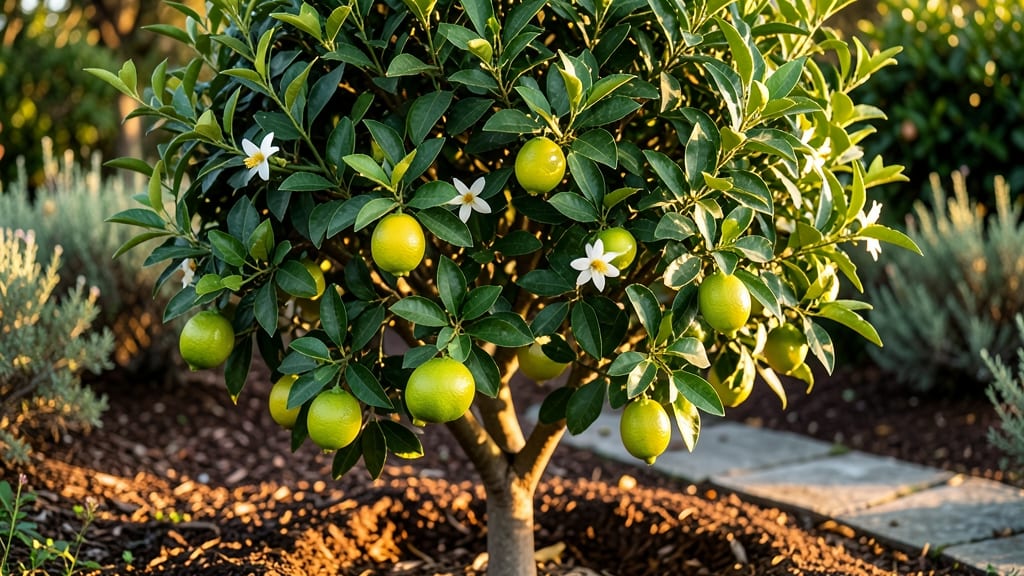
Growing green lemon fruit is like unlocking a kitchen treasure chest—except you get to grow it yourself. 🌱 The key is patience: these little green gems need warmth, consistent care, and just the right balance of sun and water to turn into the tangy lemons you love.
I’ve grown trees that produce 50+ lemons a year, and it all starts with the right setup.
You’ll need a pot at least 15-gallon (or a sunny spot in your yard if you’re in a warm climate), well-draining soil, and a spot that gets 6-8 hours of sunlight daily. The soil should be slightly acidic—think of it as the perfect mix of sand, peat, and compost.
Watering is the trickiest part: too much and the roots rot; too little and the fruit drops. Aim for 1-2 inches per week, but let the top inch dry out between waterings.
By the time your tree is 2-3 years old, you’ll start seeing those bright green lemons appear—and they’re ready to use as soon as they’re firm and yellowing. The first harvest is always a thrill, but the real magic happens when you realize you’re growing your own cooking ingredient.
The tree keeps producing for years, so long as you keep it healthy and happy.
Common mistakes? Overwatering in winter or skipping fertilizer in early spring. But once you get the rhythm, it’s smooth sailing. Whether you’re making lemonade, preserving, or just snacking on fresh fruit, homegrown lemons change everything.
📚 In This Guide
- What you need
- Instructions
- Tips and common mistakes
- Wrapping up and next steps
What you need
- ● Green lemon tree (Citrus limon 'Meyer' or 'Eureka'): Choose a healthy, disease-free sapling from a nursery. Quantity: 1 per pot/planting spot.
- ● Well-draining potting mix: A blend of peat moss, perlite, and compost (or a pre-mixed citrus soil). Quantity: 5–10 gallons per pot (15–20 gallons for large containers).
- ○ Container (optional but recommended): 5–7 gallon pot for dwarf varieties (minimum 12" diameter).
- ● 15+ gallon pot for standard trees (or in-ground planting in warm climates).
- ● Slow-release citrus fertilizer: Look for one with a balanced NPK ratio (e.g., 6-6-6) + micronutrients. Quantity: 1–2 tbsp per gallon of soil.
- ● Organic mulch: Straw, wood chips, or pine bark to retain moisture and regulate soil temp. Quantity: 2–3 inches around the base.
- ● Garden trowel or shovel for planting.
- ● Pruning shears (sterilized with rubbing alcohol).
- ● pH test kit (ideal soil pH: 6.0–7.0).
- ● Drip irrigation or watering can (lemon trees hate soggy roots!).
- ● Sunlight access: 6+ hours of direct sun daily (full sun for best fruit production).
- ○ Cold protection (optional): Frost cloth for pots in winter.
- ● Greenhouse or indoor grow lights for sub-40°F climates.
Step-by-step guide to growing a green lemon tree
Here's how to nurture a thriving citrus tree for fresh, homegrown lemons year after year.
🌱 Step 1: Choose the Right Variety and Planting Location
Select a dwarf Meyer lemon tree for containers or a full-size variety for ground planting. Meyer lemons are cold-hardy and produce fruit with a sweeter, less acidic taste than standard lemons. Place your tree where it gets 6-8 hours of direct sunlight daily—south-facing windows or outdoor spots work best.
If growing indoors, position near a sunny window or under grow lights. The tree needs consistent warmth—65-75°F during the day and no lower than 50°F at night. Watch for leaves curling or dropping; this signals the tree is too cold or drafty.
🪴 Step 2: Prepare the Soil and Plant Properly
Use a well-draining potting mix if growing in containers, or amend garden soil with compost and sand for outdoor planting. Citrus trees hate soggy roots, so ensure drainage holes exist in pots. Fill the container with soil, leaving 2-3 inches of space at the top for watering.
Remove the tree from its nursery pot and loosen the roots gently. Plant at the same depth as it was in the nursery container—burying too deep can suffocate the trunk. Water thoroughly after planting to settle the soil and eliminate air pockets around the roots.
☀️ Step 3: Water and Fertilize for Healthy Growth
Water deeply when the top 2 inches of soil feel dry, but avoid letting the tree sit in water. Overwatering causes root rot, a silent killer of citrus trees. In containers, water more frequently than in-ground plants because pots dry out faster. Yellowing leaves often signal overwatering or poor drainage.
Fertilize every 2-3 months with a citrus-specific fertilizer or one high in nitrogen, phosphorus, and potassium. Follow package instructions for dosage, but reduce by half if growing in containers. You'll see new growth within weeks of proper feeding—look for fresh, vibrant leaves and stems.
✂️ Step 4: Prune and Maintain for Fruit Production
Prune in late winter or early spring to shape the tree and encourage fruit production. Remove dead, diseased, or crossing branches first. Then trim back any overgrown limbs to maintain an open center—this allows sunlight and air to reach inner branches where fruit develops.
Thin out excess fruit when clusters form to prevent overburdening the tree. Leave 3-5 lemons per cluster to grow to full size. Watch for small, misshapen fruit; these are often the result of overcrowding or nutrient deficiencies. Prune again after harvest to clean up and prepare for the next growing season.
🌿 Step 5: Protect and Encourage Year-Round Fruit Bounty
Shield young trees from cold drafts, especially in winter. If temperatures dip below 30°F, cover the tree with frost cloth or move potted trees indoors. Mature trees can handle brief cold snaps but may drop fruit if exposed to prolonged freezing.
Pollinate flowers by gently shaking the tree or using a small brush to transfer pollen between blooms. You'll see tiny fruit form within weeks—these are your future lemons. Keep an eye out for pests like aphids or scale insects; treat early with neem oil or insecticidal soap to avoid infestations.
Tips & tricks for perfect green lemon tree cultivation
Took me a while to figure these out, so here's how to avoid common pitfalls with your citrus tree.
Lighting Strategy: The 6-8 hours of direct sunlight is non-negotiable—this is your tree's energy source for fruit production. I always check for shadows at different times of day, especially in winter when sunlight is weaker. If you notice leaves stretching toward the light (a condition called etiolation), rotate your potted tree every few days to ensure even growth. South-facing windows work best, but supplement with grow lights if natural light is insufficient.
Soil Science: That 2-3 inches of space at the top of your container isn't just for aesthetics—it prevents water from spilling over and keeps roots properly aerated. I've seen many gardeners skip this and end up with soggy soil that leads to root rot. For containers, mix in perlite or pumice to improve drainage, especially if your potting mix is heavy. The roots need oxygen as much as water!
Watering Wisdom: The "top 2 inches dry" rule is your guide, but timing matters too. Water in the morning so leaves have time to dry before evening—this prevents fungal diseases. I've learned the hard way that citrus trees hate wet feet. Stick your finger in the soil first; if it's dry just below the surface, it's time to water. In containers, you'll need to water more frequently than in-ground plants because pots dry out faster.
Fertilizer Finesse: That 2-3 month feeding schedule keeps your tree productive, but here's the secret: citrus trees actually prefer being slightly underfed to overfed. I've seen many trees suffer from fertilizer burn when people go overboard. Always reduce container doses by half, and flush the soil with water every 6 months to prevent salt buildup. Look for vibrant new growth—this is your sign you're doing it right.
Pro Tips for Green Lemon Fruit
- Took me a while to figure these out, so here's how to avoid common pitfalls with your citrus tree.
- Lighting Strategy: The 6-8 hours of direct sunlight is non-negotiable—this is your tree's energy source for fruit pro...
- Soil Science: That 2-3 inches of space at the top of your container isn't just for aesthetics—it prevents water from ...
Frequently asked questions
Got questions about growing and enjoying green lemon fruit? Here are some of the most common ones—plus quick, practical answers to help you succeed!
Can I eat green lemons, or do they need to turn yellow?
Short answer: Yes! Green lemons are perfectly edible and often preferred for cooking (think lemon curd or sorbet). They’re tart, acidic, and packed with flavor—just peel and zest as needed. If you prefer sweeter lemons, wait until they turn yellow, but green ones are nutritionally identical (same vitamin C, antioxidants, etc.).
How long does it take for a lemon tree to bear fruit?
Patience is key! Dwarf varieties (like Meyer lemons) may produce fruit in 2–3 years with proper care, while standard trees can take 3–5 years. For faster results, choose a grafted tree (already flowering) or opt for a potted Meyer lemon—it’s the quickest way to green lemon fruit in your kitchen!
What’s the best way to store green lemons to keep them fresh?
Store them unwashed in a paper bag in the fridge (lasts 2–3 weeks) or at room temp (up to 1 week). Avoid plastic bags—they trap moisture and speed up spoilage. For long-term storage, freeze whole lemons (peeled or unpeeled) or zest them for later use. Pro tip: Place a dry lemon in your produce drawer to absorb excess humidity and extend freshness.
Can I grow a lemon tree indoors, and what do I need to watch for?
Lemon trees thrive indoors with 6+ hours of sunlight daily (south-facing window or grow lights). Watch for:
- Yellowing leaves = Overwatering or lack of drainage (use pots with holes!).
- Dropped leaves = Temperature shock (keep away from drafts/AC).
- No fruit = Needs more sunlight or may be too young (fertilize lightly in spring/summer).
What’s a good substitute for green lemons if I can’t find them?
If you’re in a pinch, try:
- Key limes (tart, similar acidity—great for drinks or marinades).
- Unripe grapefruit (peel and zest for a citrusy kick).
- Lime juice + a pinch of salt (mimics the sharpness of green lemons).
- Vinegar + sugar (1:1 ratio for a quick acidic substitute in cooking).
Wrapping up and next steps
Growing your own green lemon fruit is a rewarding journey that brings fresh, vibrant citrus to your kitchen year-round! With the right care—sunlight, well-draining soil, and patience—you’ll enjoy a thriving citrus tree and a steady harvest.
Whether you’re a beginner or seasoned gardener, this guide equips you with everything you need to succeed.
Ready to take the next step? Start small—plant your tree today and watch your citrus dreams bloom! 🌱🍋