
Pruning
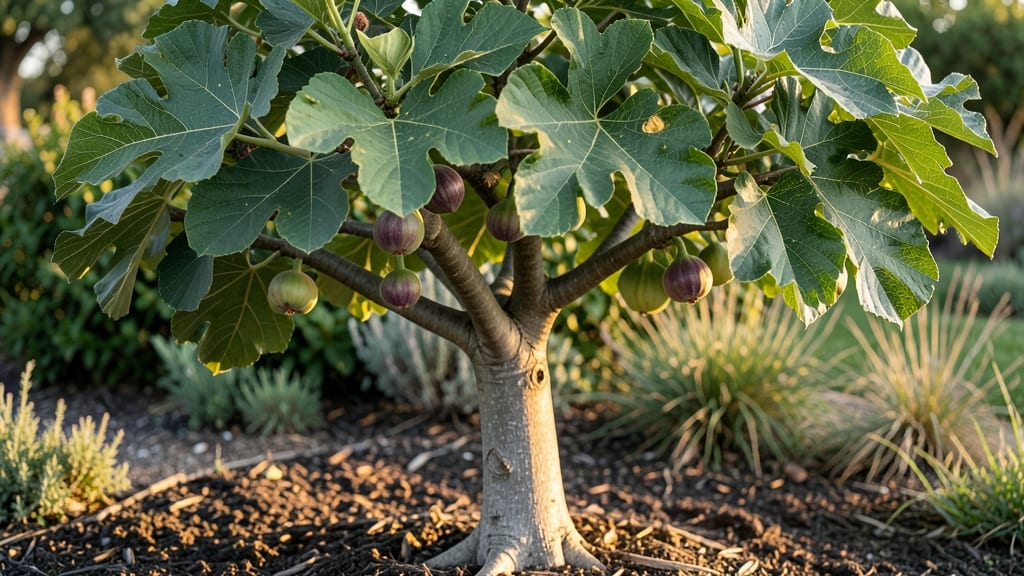
A fig tree will bear fruit within 2 to 4 years after planting, though some varieties—especially dwarf types—can produce as early as 1 to 2 years. Mature trees typically yield heavily in spring and fall, with timing influenced by climate and care.
Fig trees are patient plants, but their fruiting timeline varies dramatically based on variety and growing conditions. 🌱 Dwarf varieties like 'Little Miss Figgy' often surprise gardeners by bearing fruit in just 1-2 years, while larger types may take closer to 4 years.
The key factor is consistent care—proper sunlight, well-draining soil, and the right balance of water and nutrients all accelerate production. I’ve seen figs fruit even earlier in warmer climates (USDA zones 8-10), where the extended growing season gives roots more time to establish before flowering.
What many growers don’t realize is that rootstock plays a huge role—grafted trees (common in nurseries) often fruit faster than those grown from cuttings. For example, a 'Chicago Hardy' grafted onto a hardy rootstock might produce in 2 years, while a non-grafted tree could take twice as long.
The secret lies in choosing the right variety for your climate and giving it the ideal conditions right from planting.
💡 In This Article
- Fig Tree Fruit Production Timeline by Variety and Growth Stage
- How to Speed Up Fig Tree Fruit Production with Proper Care
Fig tree fruit production timeline by variety and growth stage
The fruiting timeline for fig trees hinges on their variety and growth stage. Dwarf varieties like 'Little Miss Figgy' or 'Violette de Bordeaux' often produce fruit in just 1 to 2 years, thanks to their compact size and faster maturation.
In contrast, standard varieties such as 'Brown Turkey' or 'Celeste' typically take 3 to 4 years to bear fruit, as they prioritize root and trunk development before flowering.
The difference lies in their genetic makeup—dwarf types are bred for rapid growth and early fruiting, while larger varieties focus on structural strength first.
Grafting plays a critical role in accelerating fruiting. When a desirable fig variety is grafted onto a hardy rootstock (like 'Caprifig' or 'Desert King'), the tree inherits the rootstock’s vigor while retaining the scion’s fruiting traits.
This means a grafted 'Chicago Hardy' might produce fruit in 2 years, whereas a non-grafted tree could take 4 or more years.
Climate also shifts the timeline—figs in USDA zones 8-10 (like Southern California or Florida) often fruit 6 months to a year earlier than those in cooler zones (USDA 7 or below), where winter dormancy delays growth. 🌿
Another key factor is whether the fig is open-pollinated or self-pollinating. Varieties like 'Desert King' produce fruit without cross-pollination, ensuring reliable yields once mature. Others, like 'Osborn Prolific', require pollinators (bees or wind) to set fruit, which can introduce variability in timing.
Even within the same variety, environmental stress—such as extreme heat or drought—can push back fruiting by 1 to 2 years by diverting energy to survival rather than reproduction.
Size matters too. A standard fig tree (15-20 feet tall) may take 4 years to bear fruit, while a semi-dwarf (8-12 feet) could produce in 2 to 3 years, and a true dwarf (under 6 feet) might surprise you with fruit in 1 to 2 years.
The trade-off? Dwarf trees generally yield smaller crops but are ideal for containers or small gardens. For example, 'Chicago Hardy' (a cold-hardy variety) often fruits in 2 years when grafted, while 'Black Mission' (a larger type) may wait until year 4 unless given ideal conditions.
Seasonal cues also influence timing. Most figs produce two crops per year—one on last year’s wood in late summer/fall and another on new growth in spring. In warmer climates, these cycles overlap, while cooler regions may see only one harvest.
For instance, in USDA zone 9, 'Brown Turkey' might fruit in spring and fall, but in zone 7, the fall crop could be minimal due to early frosts. Understanding your local frost dates helps predict when to expect fruit.
One often-overlooked detail is the root system’s maturity. Figs need a robust root network to support fruiting, which takes time—especially in poor or compacted soil.
Amending soil with compost or organic matter at planting can shave off 6 months to a year from the fruiting timeline by improving nutrient uptake and drainage. Without this, roots struggle to supply the energy needed for flower and fruit development, delaying production by 1 to 2 years.