
Blooming
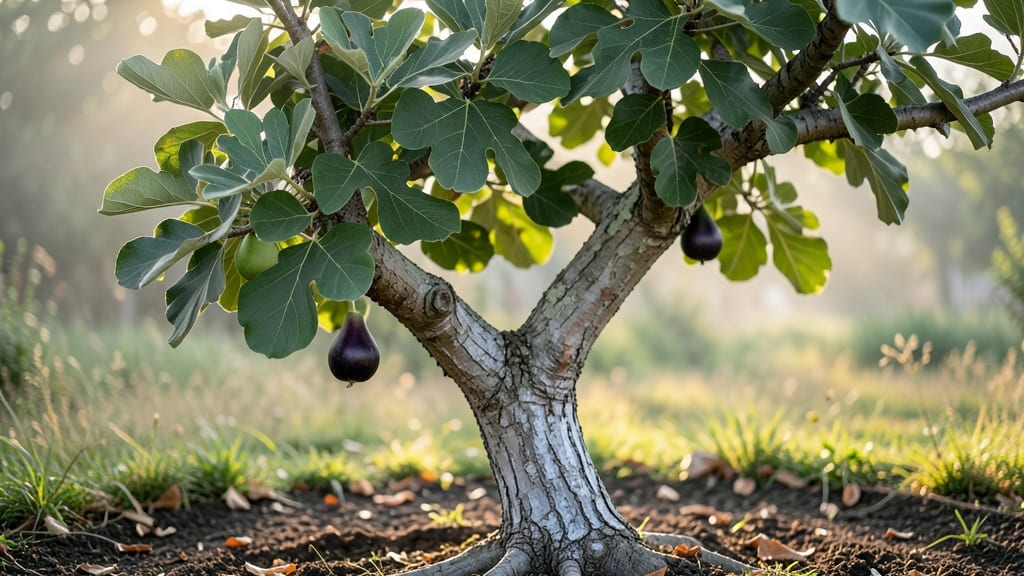
Fig trees take anywhere from one to three years to fruit, depending on the variety, care, and climate—but that wait can feel like forever when you’re dreaming of fresh figs.
If you’ve ever planted a fig tree 🍈 hoping for instant rewards, you’ve probably wondered why some varieties bear fruit in just a year while others take three. The secret lies in the type of fig tree you choose, where you live, and how you nurture it.
In warmer climates like USDA Zone 8 and above, common figs like 'Brown Turkey' often fruit within a single growing season, while hardier varieties like 'Chicago Hardy' may take up to three years in cooler zones like 6a. Container-grown figs, however, can fruit faster if given the right conditions.
Below, I’ll break down the exact timeline for popular varieties, how climate affects fruiting, and the five easiest ways to encourage your fig tree to produce fruit sooner—no matter where you live.
Fig tree fruiting timeline by popular varieties (fastest to slowest)
If you're eager to enjoy homegrown figs, the variety you choose makes all the difference in how quickly you'll see fruit. Some fig trees bear their first harvest in just 1-2 years, while others take 3-5 years to produce.
The fastest fruiting varieties often thrive in warmer climates, but cold-hardy options can also deliver rewards—just with a slightly longer wait.
Dwarf fig trees, like 'Little Miss Figgy', are perfect for containers and small spaces, while standard varieties like 'Brown Turkey' grow larger but may take longer to mature. Understanding these differences helps you set realistic expectations and choose the right tree for your garden's size and climate.
Here’s a breakdown of the fastest to slowest fruiting fig varieties, including dwarf options that won’t outgrow your patio:
Dwarf varieties like 'Celeste' and 'Little Miss Figgy' are my top picks for quick gratification. They fruit in just 1-2 years and stay compact, making them perfect for containers or small yards.
These trees also handle cooler temperatures better than their larger counterparts, so they’re great for USDA zones 5-8.
If you’re in a warmer climate (zones 9-11), standard varieties like 'Brown Turkey' or 'Desert King' may take 3-5 years to fruit but reward you with larger harvests. Patience pays off here—these trees produce heavier yields once established, especially with proper pruning and fertilization.
For cold-hardy figs, 'Chicago Hardy' is a standout. It fruits in 2-3 years and survives winters in zones 4-8, though it may need winter protection in colder areas. This variety proves that you don’t need a tropical climate to grow figs—just a little extra care during frost.
One common misconception is that container-grown figs fruit more slowly than in-ground trees. While they may take a year or two longer to mature, dwarf varieties in pots can still produce fruit within 2-3 years with the right conditions.
The key is using a large enough container (at least 15-gallon) and ensuring good drainage and sunlight.
To encourage faster fruiting, focus on well-draining soil, full sun exposure, and regular watering during dry spells. Avoid over-fertilizing with nitrogen, as this promotes leafy growth at the expense of fruit. Instead, use a balanced fertilizer (like 5-10-10) in early spring to support fruiting.
With the right variety and care, you could be enjoying your first figs in as little as one year—or savoring a bountiful harvest from a mature tree in just a few seasons. The wait is worth it for those sweet, sun-kissed rewards!
Climate zone impact: when fig trees fruit in cold vs. warm regions
Your USDA climate zone dramatically changes when your fig tree fruits. In tropical zones (9-11), varieties like 'Brown Turkey' produce year-round figs with minimal dormancy. Meanwhile, hardy figs in zones 3-7 wait until summer heat triggers fruiting—often 1-2 years later than their warm-climate cousins.
This shift isn't just about timing; it affects variety selection and seasonal care strategies.
In cold climates (zones 3-7), winter-hardy figs like 'Chicago Hardy' enter dormancy but still produce one heavy crop per year during summer. The trade-off? They need extra winter protection (mulch, burlap wraps) to survive.
Tropical figs in zones 8-11, however, fruit continuously when temperatures stay above 40°F (4°C), though they may slow in mild winters. Your zone determines whether you'll harvest spring, summer, or fall figs—or all three!
| Climate Zone | Fig Type | Fruiting Cycle | First Fruit Timeline | Seasonal Tips |
|---|---|---|---|---|
| Zones 3-5 | Hardy Figs ('Chicago Hardy', 'Desert King') | Single summer crop | 2-3 years (with winter protection) | Plant in south-facing walls for heat; mulch heavily in winter |
| Zones 6-7 | Semi-hardy Figs ('Celeste', 'Osborn Prolific') | Summer + light fall crop | 1.5-2 years | Prune late winter to remove dead wood; use container growing for mobility |
| Zones 8-9 | Common Figs ('Brown Turkey', 'Violette de Bordeaux') | Year-round (peaks summer-fall) | 1-1.5 years | Water deeply weekly; fertilize spring-fall with 5-10-10 |
| Zones 10-11 | Tropical Figs ('Mexican White', 'Smyrna') | Continuous fruiting | 6-12 months (container-grown) | Grow in large containers for indoor-outdoor flexibility; protect from strong winds |
If you're in a transition zone (7-8), your fig tree might fruit sporadically during mild winters. For example, 'Celeste' figs in zone 7b often produce small crops in late summer but struggle in harsh winters.
To push your tree toward earlier fruiting, plant in containers—they warm up faster in spring and can be moved to sunniest spots year-round. Just ensure pots have drainage holes to prevent root rot.
In warm climates (zones 9-11), the key to year-round harvests is consistent care. Tropical figs like 'Mexican White' need regular pruning to remove old wood, which encourages new growth and continuous fruiting.
I once grew this variety in zone 10a and harvested figs in every month except January—simply by keeping the tree well-watered and fertilized with citrus-specific nutrients every 6 weeks.
For cold-climate gardeners, the secret lies in microclimates. Plant your hardy fig near a south-facing wall or against a brick fence to absorb and radiate heat. In zone 5, I’ve seen 'Desert King' figs produce small but sweet figs when protected by burlap wraps during winter.
Pair this with early spring pruning to remove winter damage, and you’ll see new shoots by late May—setting the stage for a summer harvest.
Remember: container growing extends your options. Even in zone 4, you can grow dwarf fig varieties in 15-gallon pots and overwinter them in garages or sheds. Bring them outside in spring once night temps stay above 50°F (10°C).
This method lets you harvest figs 1 year after planting—a full year earlier than in-ground trees in cold zones.