I still remember the first time I dug my hands into soil as a kid in my grandmother’s garden in upstate New York—how the earth smelled after rain, how the sun warmed my shoulders as I pulled up carrots. That moment stuck with me, and now, years later, I’m here to share the joy of growing your own food, whether you’ve got a backyard plot or just a sunny windowsill. This site is my way of passing along the lessons I’ve learned: the patience it takes, the little tricks that make all the difference, and the quiet satisfaction of harvesting something you’ve nurtured yourself.
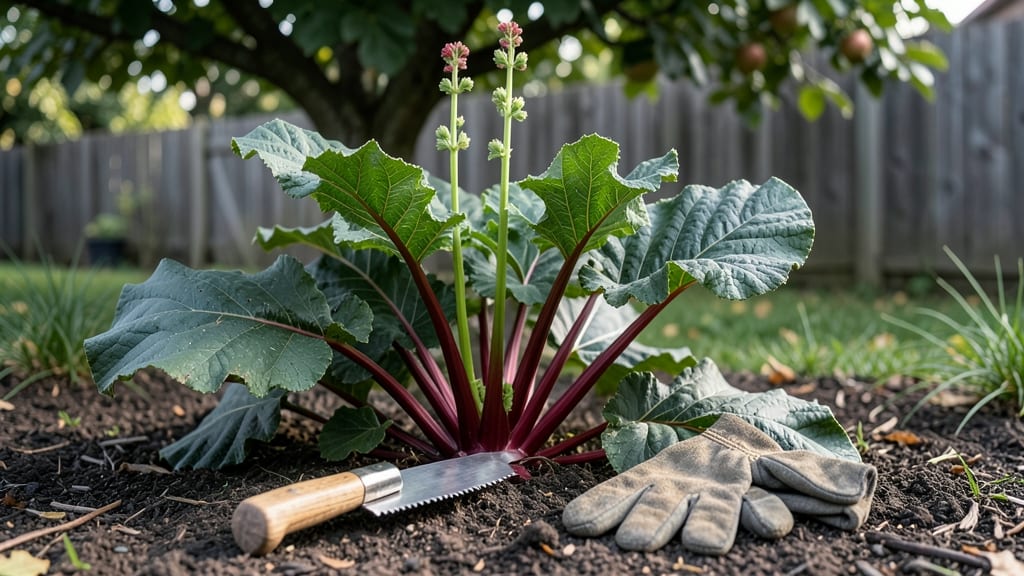
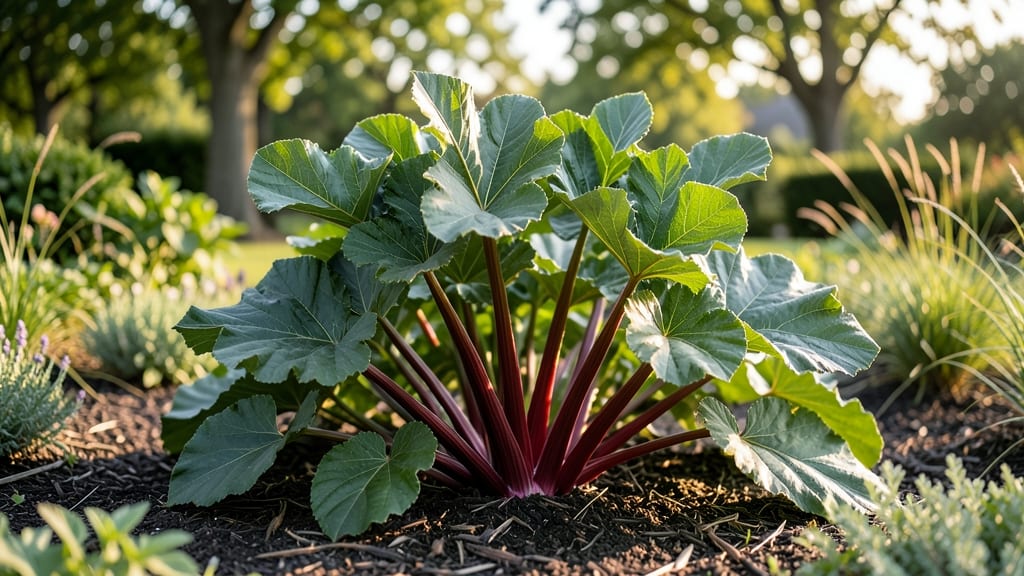
💥 Quick Answer Rhubarb is classified as a vegetable because it’s the edible stalk of the plant, not the fruit. While it’s often used in desserts, its botanical status comes from how we define vegetables—any edible plant…
Rhubarb plants are technically a vegetable —but botanically, they’re a fruit you’ll never eat raw. 🌱 The confusion comes from its culinary use: tart stalks star in pies and compotes, while the leafy tops (poisonous)…
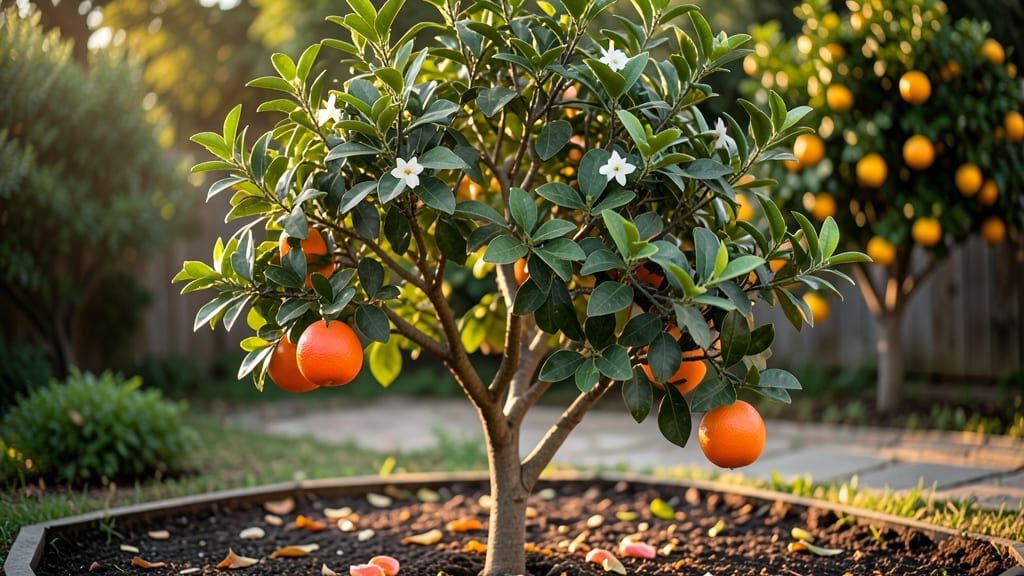
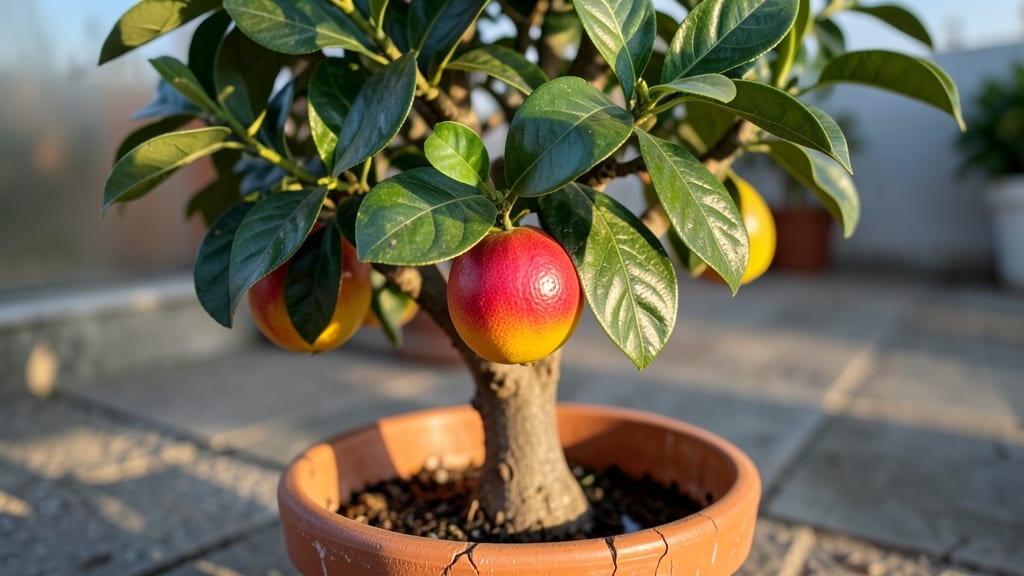
Growing a Rio Red grapefruit tree means sweet, ruby-red fruit straight from your backyard—if you nail the climate, soil, and pruning. 🌱 I’ve wrestled with this finicky citrus for years, and now I’m sharing the exact…
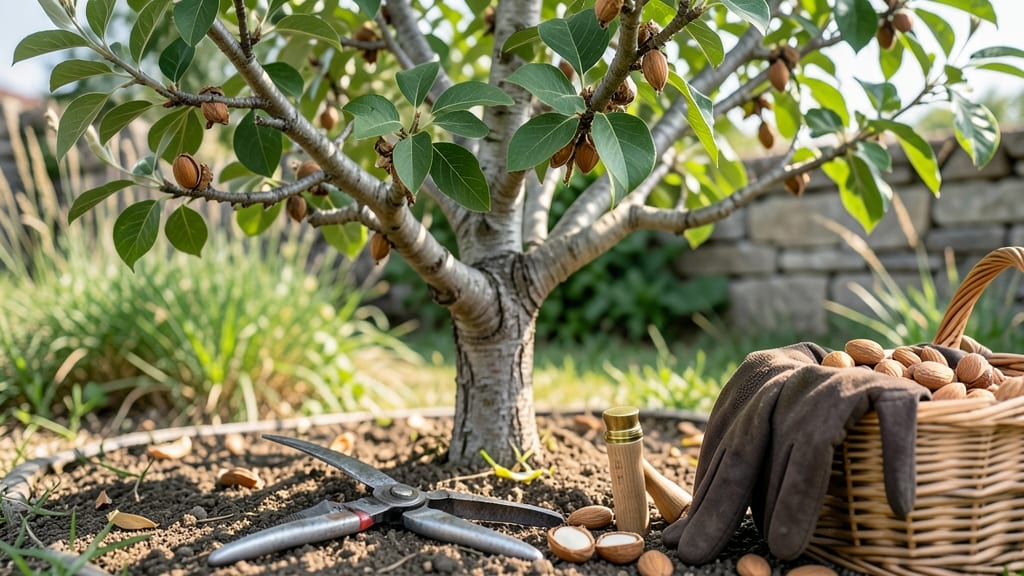
💥 Quick Answer Ripe almond fruit appears as a green, woody husk with a smooth, slightly leathery texture that splits open naturally when mature, revealing the hard shell inside. The hull turns from vibrant green to a…
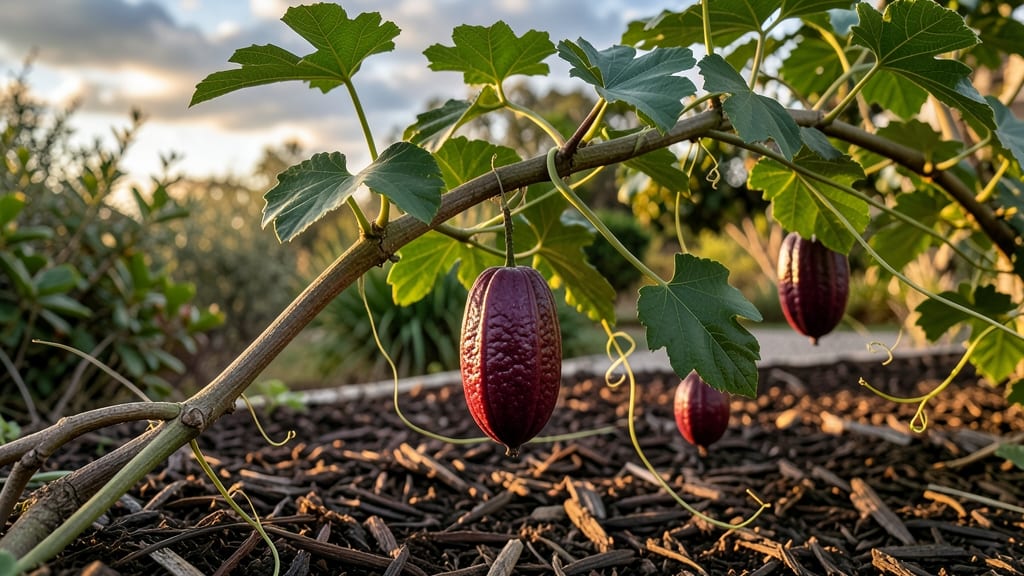
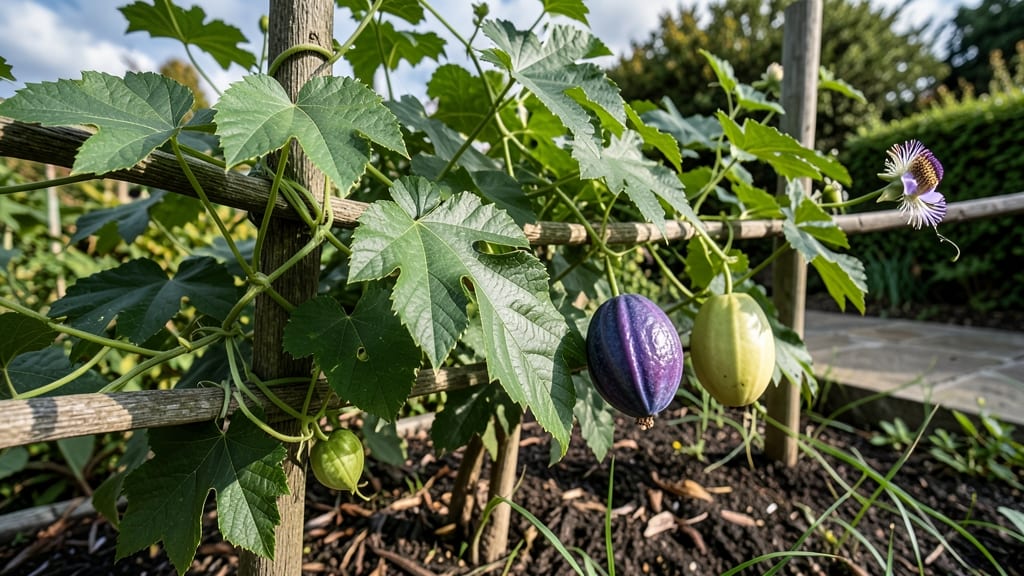
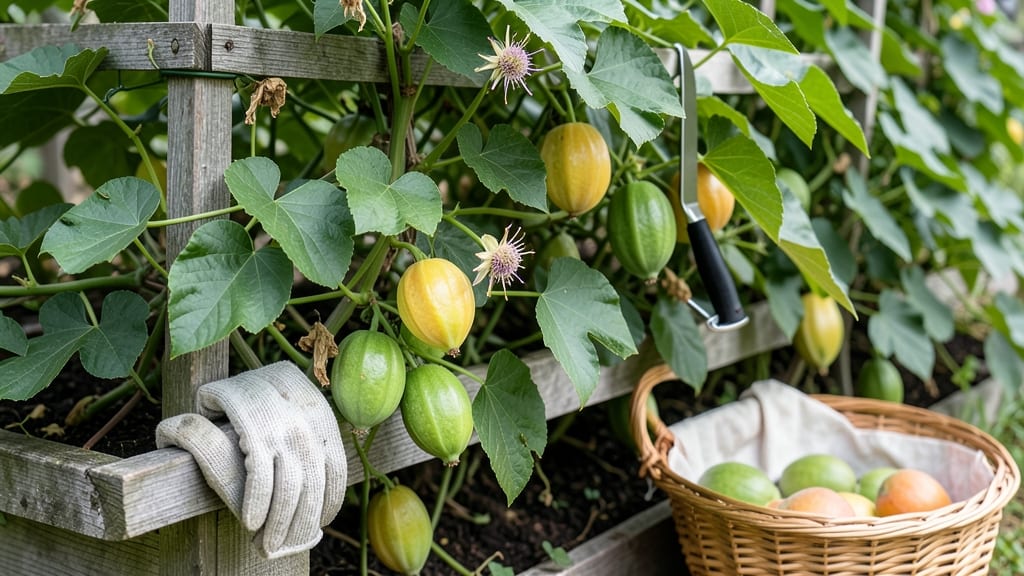
When the ripe passion fruit color turns a deep golden yellow 🍈, that’s your cue to harvest—because the color shift isn’t just about looks, it’s about flavor. Ever picked a passion fruit too early—only to discover it’s…
Telling ripe passion fruit from unripe can mean the difference between perfect pulp and bitter disappointment. 🌿 The color shift from green to golden-yellow isn't the only clue—texture, scent, and even how it feels when…
Ripening passion fruit 🍈 is all about timing—pick too early, and you’ll end up with bland, seedy pulp; wait too long, and the fruit turns mushy or drops to the ground. Passion fruit vines can be finicky, but knowing…
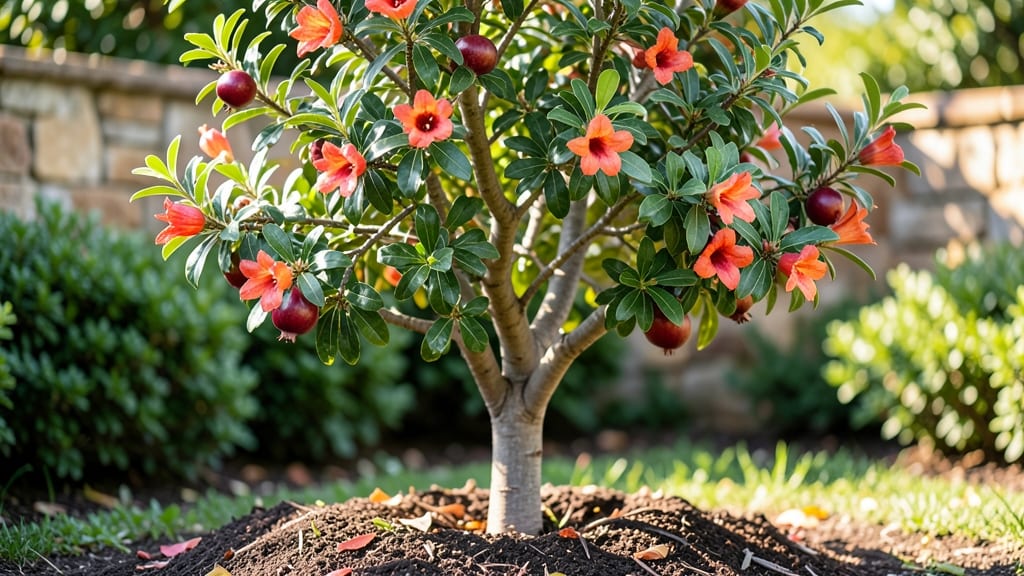
Growing a Russian pomegranate tree means turning your backyard into a sweet, ruby treasure chest—even in colder climates where other varieties struggle. 🌿 I’ve watched mine thrive in zone 6 with proper care, producing…
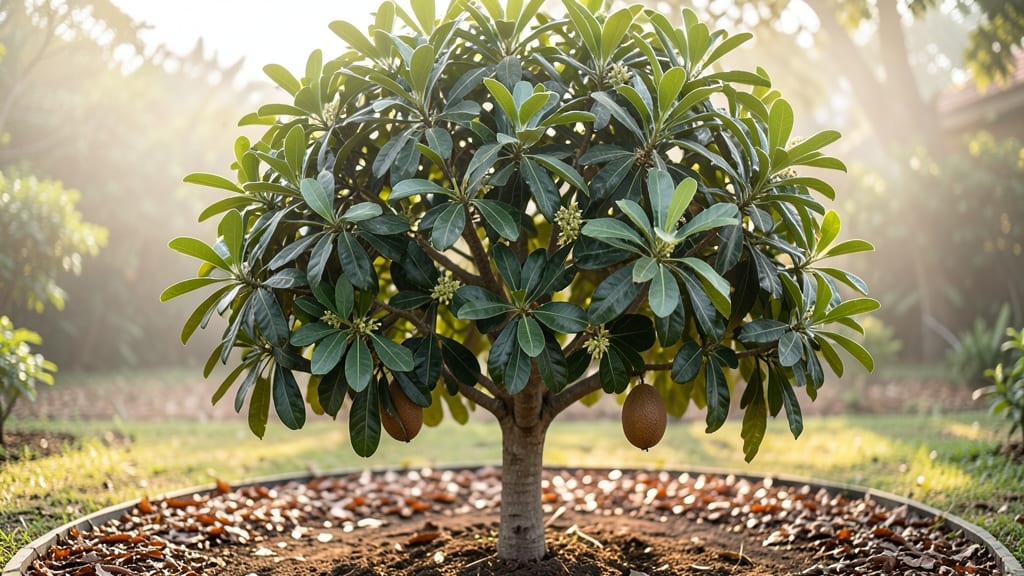
Growing a sapota fruit tree means tropical treats in your own backyard—if you nail the climate and pruning. 🌿 I’ve watched mine go from a scraggly sapling to a productive tree producing sweet, custard-like fruit…
Want fruit trees that produce abundantly with minimal effort? These 10 self-fertile varieties eliminate the need for pollinators while delivering delicious harvests—ideal for small gardens, urban yards, or novice…