
Pruning
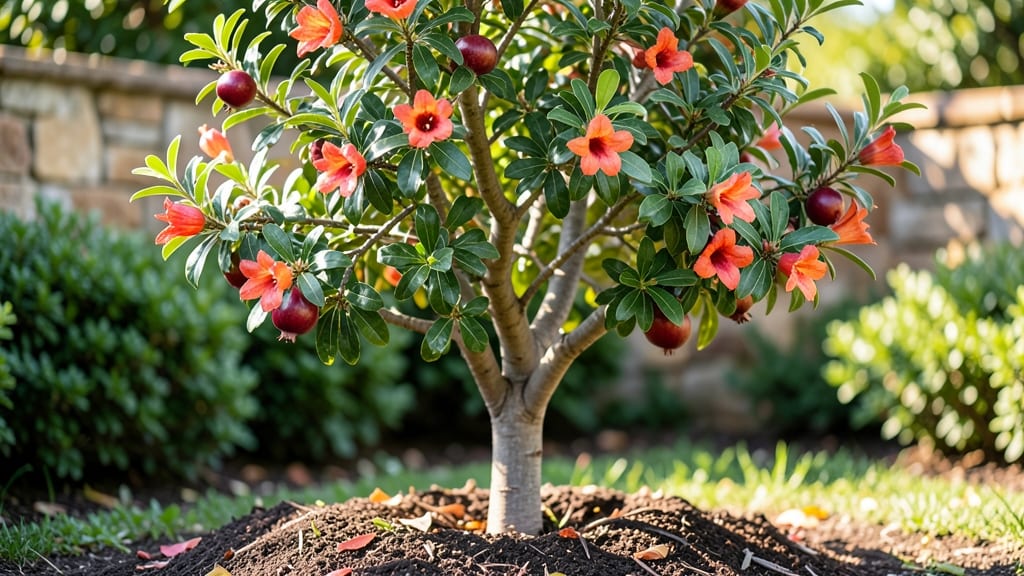
Growing a Russian pomegranate tree means turning your backyard into a sweet, ruby treasure chest—even in colder climates where other varieties struggle. 🌿 I’ve watched mine thrive in zone 6 with proper care, producing fruit from late summer all the way through winter.
The secret? Pruning it just right to keep it compact and productive, while protecting it from frost when needed.
This hardy variety handles temperatures down to 15°F, but it still needs well-draining soil and full sun to reward you with deep red, juicy arils (the edible seeds) that taste like a cross between citrus and berry.
The tree itself stays small—6 to 8 feet tall—making it perfect for containers or small gardens. Just avoid heavy clay soil, or the roots will rot.
With precision pruning in early spring, you’ll encourage bushier growth and more fruit clusters. Cut back dead wood first, then thin out crowded branches to let light reach the center. By summer, you’ll see bright green leaves and tiny trumpet-shaped flowers that eventually turn into glossy fruit.
Pests are rarely an issue, but watch for scale insects on young trees—spray with neem oil if you spot sticky residue. The biggest challenge? Protecting fruit from late frosts. A simple row cover or even a blanket draped over the tree on cold nights saves the harvest.
Once you master these steps, you’ll have year-round fruit with minimal effort.
📚 In This Guide
- What you need
- Instructions
- Tips and common mistakes
- Wrapping up and next steps
What you need
- ● Russian pomegranate tree: 1-2 dwarf or semi-dwarf varieties (for container gardening or small spaces) or 1 standard-sized tree (for ground planting).
- ● Choose disease-resistant cultivars like ‘Russian Red’ or ‘Wonderful’ for optimal yields.
- ● Well-draining soil: 60% loamy soil (sandy or clay-loam blends work best).
- ● 20% organic matter (compost, aged manure, or coconut coir).
- ● 20% perlite or coarse sand (for drainage, especially in containers).
- ● Fertilizer: 1 balanced 10-10-10 fertilizer (for young trees).
- ● 1 citrus-specific fertilizer (high in nitrogen, phosphorus, and micronutrients like zinc and iron).
- ● 1 slow-release granular fertilizer (apply 2-3 times per year).
- ● Watering supplies: 1 drip irrigation system or soaker hose (to avoid wetting foliage).
- ● 5-gallon watering can (for container trees).
- ● Pruning shears: 1 pair bypass pruners (for clean cuts on small branches).
- ● 1 pair felco pruners (for thicker branches, ¼”–¾” diameter).
- ● Saw: 1 pruning saw (for branches >¾” thick).
- ● Gloves: 1 pair cut-resistant gardening gloves (to protect from thorns).
- ● Disinfectant: 1 bottle 70% isopropyl alcohol or bleach solution (1 part bleach to 9 parts water).
- ● 1 tree support stake (for young saplings in windy areas).
- ● 1 mulch (wood chips or straw) (2-3 inches deep to retain moisture).
- ● 1 pH testing kit (ideal soil pH: 6.0–7.0).
- ● 1 fruit thinning shears (to control overproduction and improve fruit size).
- ● 1 shade cloth (30-50%) (for young trees in hot climates).
Instructions for cultivating a Russian pomegranate tree
Mastering this cold-hardy variety means understanding its unique growth patterns and seasonal care.
🌱 Step 1: Select and Prepare Your Planting Site
Russian pomegranates thrive in full sun with 6-8 hours of direct light daily. Choose a location sheltered from strong winds, as their delicate branches can break easily. The soil should drain well—amend heavy clay with 2-3 inches of compost mixed into the top 12 inches of soil.
Dig a hole twice as wide as the root ball but no deeper. Loosen the roots slightly if they're circling the container, then place the tree so the graft union sits 2-3 inches above soil level. This prevents root rot while allowing the tree to develop strong structural roots. Backfill with native soil, firming gently to eliminate air pockets.
☀️ Step 2: Establish Proper Watering and Fertilization
Water deeply 2-3 times per week during the first growing season, keeping the soil 2-3 inches moist but never soggy. Russian pomegranates are drought-tolerant once established, but young trees need consistent moisture. You'll know you're watering correctly when the topsoil feels damp but not saturated when checked with your finger.
Apply a balanced 10-10-10 fertilizer in early spring and again after harvest, using ½ cup per tree. Avoid high-nitrogen fertilizers—they promote leafy growth at the expense of fruit production. Mulch with 2-3 inches of wood chips, keeping it 6 inches away from the trunk to prevent rot.
✂️ Step 3: Implement Precision Pruning for Year-Round Fruit
Prune in late winter or early spring before new growth begins. Remove 1/3 of the oldest wood each year to maintain vigor and open the canopy for sunlight penetration. Cut back dead, crossing, or inward-growing branches first, then thin out crowded areas to improve air circulation.
Shape the tree into an open vase form by selectively pruning to encourage lateral branching. Russian pomegranates fruit on both old and new wood, so avoid heavy summer pruning—it can reduce next year's crop. After pruning, apply a thin layer of dormant oil spray to protect against overwintering pests.
🌿 Step 4: Manage Seasonal Care for Continuous Harvests
In early spring, thin fruit clusters to 3-5 pomegranates per branch to ensure larger, higher-quality fruit. Russian pomegranates produce two harvests—late summer and fall. The first flush of fruit often ripens earlier than expected, so check branches weekly starting in mid-August.
Harvest when the rind turns deep red and feels slightly leathery. Twist gently to separate the fruit from the stem—don't pull, as this can damage branches. Store ripe pomegranates at 50-55°F for up to 2 months. For winter interest, leave a few fruit on the tree—they'll add color and attract birds.
⏰ Step 5: Prepare for Winter Hardiness
Russian pomegranates tolerate down to -15°F, but young trees benefit from winter protection. Wrap the trunk with tree wrap in late fall to prevent sunscald. Apply a 3-inch layer of mulch around the base, extending it 12 inches beyond the drip line to insulate roots.
Prune out any dead or damaged branches in early spring before buds swell. Russian pomegranates are less prone to winter dieback than other varieties, but consistent care ensures they rebound quickly. Watch for early signs of spring growth—this is your cue to resume regular watering and fertilization.
Tips & tricks for perfect Russian pomegranate fruit tree cultivation
These insights will help you cultivate a thriving Russian pomegranate tree that produces abundant fruit year after year.
Site Selection Secrets: When choosing your planting location, prioritize not just sunlight but also wind protection. Russian pomegranates have delicate branches that can snap in strong winds. I've found that planting near a sturdy fence or building creates a natural windbreak while still allowing those essential 6-8 hours of direct sunlight. The graft union's position 2-3 inches above soil level is non-negotiable—this prevents rot while encouraging strong root development. If your soil is particularly heavy clay, consider amending it with 2-3 inches of compost mixed into the top 12 inches to improve drainage.
Watering Wisdom: The 2-3 times weekly watering schedule is crucial during the first growing season, but how you water matters just as much as how often. I've learned the hard way that shallow watering encourages weak root systems. Instead, water deeply to encourage roots to grow downward. Check soil moisture by sticking your finger 2-3 inches deep—it should feel damp but not soggy. In containers, water when the top inch feels dry, but remember that potted trees dry out faster than in-ground plants.
Pruning Precision: That 1/3 of oldest wood you remove each year isn't arbitrary—it's about maintaining the tree's vigor. I always prune in late winter when the tree is dormant, making it easier to see the branch structure. For shaping, aim for that open vase form which allows sunlight to penetrate all the way to the center. The key is to cut back just enough to open the canopy without removing too much fruiting wood. Russian pomegranates fruit on both old and new wood, so avoid heavy summer pruning which could reduce next year's harvest.
Harvest Timing: Those weekly checks starting in mid-August are essential because Russian pomegranates often ripen earlier than expected. The deep red color and slightly leathery feel are your best indicators. When harvesting, twist gently rather than pulling—the fruit should separate cleanly from the stem. For storage, maintain 50-55°F temperatures to preserve quality for up to 2 months. Pro tip: Leaving a few fruit on the tree over winter adds beautiful color and attracts beneficial birds while still allowing you to enjoy the harvest.
Pro Tips for Russian Pomegranate Fruit Tree
- These insights will help you cultivate a thriving Russian pomegranate tree that produces abundant fruit year after year.
- Site Selection Secrets: When choosing your planting location, prioritize not just sunlight but also wind protection.
- Watering Wisdom: The 2-3 times weekly watering schedule is crucial during the first growing season, but how you water matters just as much as how often.
Frequently asked questions
Got questions about growing and maintaining your Russian pomegranate fruit tree? You’re not alone! Here are answers to the most common queries—from pruning tips to troubleshooting—so you can keep your tree thriving year-round.
How do I know when to prune my Russian pomegranate tree for maximum fruit?
Prune your Russian pomegranate tree in late winter or early spring (before new growth) to encourage robust flowering and fruit production. Avoid heavy pruning in fall, as it can stimulate late-season growth vulnerable to cold. Focus on thinning out crowded branches and shaping the tree for airflow—this reduces disease risk and boosts fruit size!
Can Russian pomegranates survive harsh winters, and how do I protect them?
Russian pomegranates are hardy to USDA Zones 7-10, but young trees or colder climates need extra care. Mulch the base with 4-6 inches of straw or wood chips in fall, and wrap the trunk with burlap or tree guards to shield against freezing winds. In extreme cold (<20°F), drape a breathable frost cloth over the canopy. Water deeply before the first frost to reduce stress.
Why aren’t my Russian pomegranates ripening fully, even with good pruning?
Incomplete ripening often stems from insufficient sunlight or water stress. Ensure your tree gets 6+ hours of direct sun daily—pomegranates are sun-hungry! Water deeply 1-2 times per week (more in heatwaves), keeping soil consistently moist but not soggy. Also, check for over-fertilization with nitrogen, which promotes leafy growth at the expense of fruit maturity.
Are there dwarf varieties of Russian pomegranate trees for small gardens?
Yes! While traditional Russian pomegranates can grow 10-15 feet tall, look for dwarf or semi-dwarf cultivars like ‘Wonderful’ or ‘Eversweet’, which top out at 6-8 feet. These are ideal for containers or tight spaces. For even smaller options, graft a pomegranate onto a dwarfing rootstock (e.g., Punica granatum ‘Nana’)—just ensure the pot has drainage holes and you prune regularly to control size.
What pests or diseases should I watch for in Russian pomegranate trees?
Keep an eye out for aphids, scale insects, and spider mites (common on new growth). Treat early with neem oil or insecticidal soap. Fungal issues like powdery mildew thrive in humid conditions—prune for airflow and apply copper fungicide preventatively. Root rot is a risk in heavy soils; ensure well-draining soil and avoid overwatering. Remove and destroy infected leaves promptly!
Wrapping up and next steps
Growing a Russian pomegranate fruit tree with a year-round harvest is entirely within your reach—thanks to the power of precision pruning! By mastering the techniques shared here, you’ll unlock lush foliage, abundant fruit, and a thriving tree that rewards you season after season. 🌱✨
Ready to take the next step? Start by observing your tree’s growth this spring, then apply what you’ve learned—whether it’s shaping for airflow, encouraging fruit clusters, or protecting against pests. Your future harvests will thank you!