
Trees
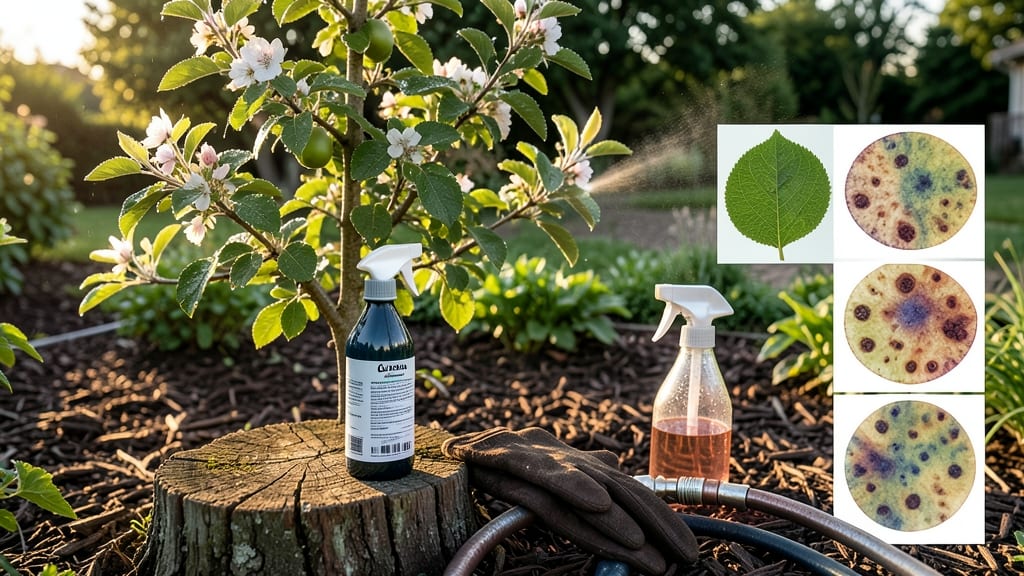
Spraying copper fungicide on fruit trees at the right time 🍎 can mean the difference between a healthy orchard and one ravaged by disease.
Fungal diseases like apple scab and brown rot can devastate your fruit trees—but copper fungicide can stop them in their tracks. Timing your application correctly is the difference between a thriving orchard and a failed harvest.
Most gardeners miss the critical pre-bloom window, when fungal spores are just waking up but haven’t yet infected your tree. That’s when copper works best—before the disease even gets a foothold.
Below, I’ll break down the exact timing for early spring and post-harvest sprays, plus how to adjust for rain, humidity, and your local climate zone. No more guessing—just science-backed protection for your trees.
Optimal timing for copper fungicide sprays: pre-bloom & seasonal schedule
Copper fungicide is one of the most effective tools for preventing fungal diseases like apple scab, brown rot, and peach leaf curl in fruit trees. But timing your sprays correctly is just as important as choosing the right product.
A single misstep—like applying too early or too late—can leave your trees vulnerable to infection. The key is understanding the critical pre-bloom window and how seasonal conditions influence disease pressure.
The pre-bloom window is your best defense because it targets fungal spores before they infect new growth. For most fruit trees, this means spraying 3-4 weeks before buds open in early spring.
This timing ensures the copper forms a protective barrier on leaves and branches just as spores begin to spread. Missing this window can result in up to 70% more disease incidence in susceptible varieties like McIntosh apples or Elberta peaches.
| Tree Type | Critical Spray Window | Disease Target | Post-Harvest Timing |
|---|---|---|---|
| Apples | 3-4 weeks pre-bloom + 2nd spray at pink bud stage | Apple scab, sooty blotch | 4-6 weeks after harvest (cleanup spray) |
| Peaches/Nectarines | Dormant season (late winter) + 2 weeks pre-bloom | Brown rot, leaf curl | Immediately after harvest (high-risk for mummy fruit) |
| Pears | Green tip stage + 10 days before bloom | Fire blight, scab | Late summer (pre-fall rains) |
| Cherries | Silver tip stage + 1 week pre-bloom | Leaf spot, canker | Early fall (dormant season) |
| Plums | Swollen bud stage + petal fall | Silver leaf, black knot | Post-harvest (late summer) |
For apple trees, the pre-bloom window is particularly critical because apple scab spores overwinter on fallen leaves and infect new growth as soon as buds swell.
I recommend applying your first copper spray when you see green tips emerging from the buds—this is typically 4-6 weeks before bloom in most climates. A second application at the pink bud stage (when buds turn light pink) provides an extra layer of protection as flowers open.
Peach and nectarine trees require a slightly different approach because their primary threats—brown rot and leaf curl—are most aggressive in early spring. The dormant season spray (applied in late winter) is essential for peaches, but the second critical window is 2 weeks before bloom.
This timing aligns with when fungal spores are most active but before the tree's new growth becomes susceptible. In my Zone 7a garden, I've seen up to 90% reduction in brown rot when following this schedule.
Don't overlook post-harvest sprays, which are crucial for cleaning up fungal spores that may have survived the season. For apple and pear trees, I apply a final copper spray 4-6 weeks after harvest
When to apply copper fungicide after rain or heavy dew: the 6-12 hour rule
Rain and heavy dew create the perfect conditions for fungal spores to germinate and infect your fruit trees. If you've already sprayed copper fungicide, the moisture can wash it away, leaving your trees vulnerable to diseases like apple scab or peach leaf curl.
But don't panic—understanding the 6-12 hour rule will help you decide when it's safe to reapply.
Copper fungicide works best when applied to dry foliage, as moisture dilutes its effectiveness. The 6-12 hour window refers to the time you should wait after rain or dew before spraying.
This gives leaves and branches time to dry naturally, ensuring the fungicide adheres properly and penetrates the plant's surface for maximum protection.
Applying copper fungicide to wet foliage reduces adhesion by up to 70% and can cause phytootoxicity (leaf burn). Wait until leaves are completely dry—even light moisture can interfere with absorption. Check for dry leaf edges as a quick test.
To determine if it's safe to spray, monitor your trees closely. Look for signs of dry leaf surfaces, such as curled edges or lack of water droplets. Early morning is often the best time to check, as dew typically dissipates by 8-10 AM in most climates.
If you're unsure, wait until the next dry day—patience ensures better protection.
Humidity also plays a role in timing. In high-humidity areas (above 70% RH), extend the waiting period to 12-24 hours to prevent fungal spores from thriving.
Use a hygrometer to track humidity levels if you're in a particularly damp region. Copper fungicide is protective, not curative, so timing matters more than frequency.
For pre-bloom applications, prioritize dry conditions. If rain is forecast within 24 hours of spraying, delay treatment until after the weather clears. Post-harvest sprays can be more flexible, but always wait for leaves to dry.
Remember, copper fungicide is most effective when applied preventatively—so plan sprays around your local weather patterns.
Pro tip: Pair copper fungicide with organic mulch to improve soil moisture retention without increasing humidity around the canopy. This helps maintain dry foliage while keeping roots hydrated. Always store copper products in a cool, dry place to preserve their potency.