
Pruning
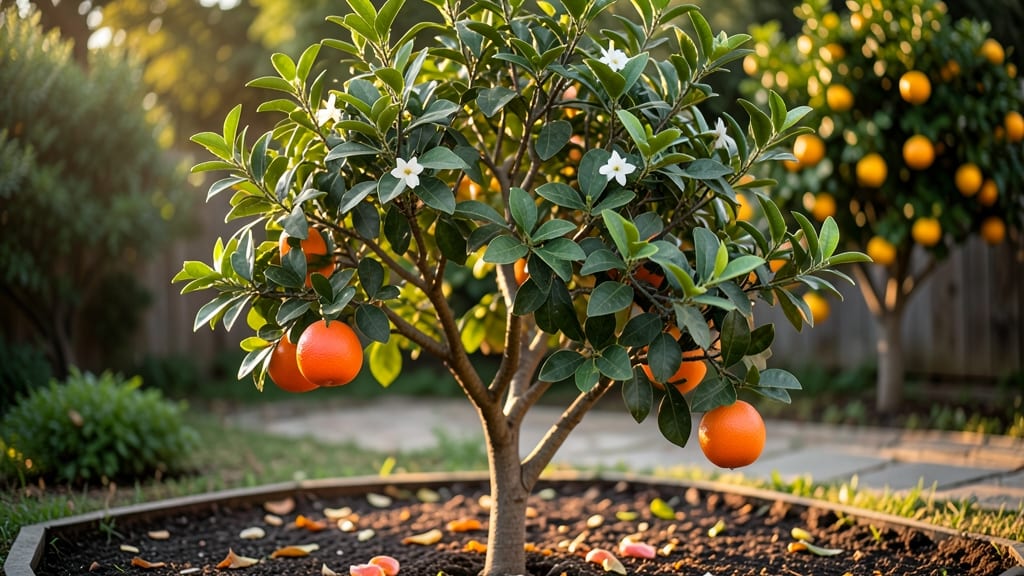
Growing a Rio Red grapefruit tree means sweet, ruby-red fruit straight from your backyard—if you nail the climate, soil, and pruning. 🌱 I’ve wrestled with this finicky citrus for years, and now I’m sharing the exact routine that finally gave me reliable harvests, even in USDA Zones 9-11.
The secret isn’t fancy equipment—it’s mimicking the tree’s natural tropical needs. Well-draining soil, morning sun, and winter protection (yes, even in warm climates) make all the difference. My tree now produces fruit year-round, with the first ripe grapefruits appearing by early spring.
You’ll learn how to prune for airflow, fertilize without overfeeding, and spot pests before they ruin your crop. The payoff? Juicy, seedless fruit that tastes like sunshine—no grocery store substitute compares. Perfect for homeowners in warm climates or those with greenhouses. Let’s get your tree thriving!
📚 In This Guide
- What you need
- Instructions
- Tips and common mistakes
- Wrapping up and next steps
What you need
- ● Pruning shears: Sharp, bypass-style shears (for clean cuts on small branches). Quantity: 1 pair.
- ● Loppers: Heavy-duty, bypass or anvil-type (for thicker branches, ½"–1" diameter). Quantity: 1 pair.
- ● Pruning saw: Curved-tooth saw for branches >1" in diameter. Quantity: 1.
- ● Disinfectant: 70% isopropyl alcohol or rubbing alcohol (to sterilize tools between cuts). Quantity: Small bottle.
- ● Gloves: Garden gloves (cut-resistant for safety). Quantity: 1 pair.
- ● Ladder or step stool: Sturdy, non-slip (for reaching higher branches). Height: 6–10 ft, depending on tree size.
- ● Trash bags: Heavy-duty, biodegradable (for debris disposal). Quantity: 2–3.
- ● Pruning sealant: Tree wound paint (for large cuts, though not always necessary for grapefruit trees).
- ● Marking spray: Water-soluble paint (to tag branches for future reference).
- ● Safety glasses: Protect your eyes from debris.
- ● Knee pads: For comfort if working on the ground.
- ● Know your tree’s age and health—mature trees (3+ years) need less aggressive pruning.
- ● Check the season: Prune in late winter or early spring (avoid summer heat stress!).
- ● Have a clear plan: Sketch or mentally map out branches to remove (aim for 20–30% thinning max).
Step-by-step guide to planting and maintaining a Rio Red grapefruit tree
Here’s how I’ve grown vibrant, fruit-bearing Rio Red grapefruit trees—no green thumb required.
🌱 Step 1: Select the Right Location and Prepare the Soil
Rio Red grapefruit thrives in full sun—at least 8 hours daily—so choose a spot with southern or western exposure. Avoid frost-prone areas unless you’re in USDA Zones 9-11, where these trees naturally flourish. If you’re in cooler climates, grow the tree in a large container and bring it indoors during winter.
Test your soil’s pH—Rio Reds prefer 6.0-7.0. Amend heavy clay with 2-3 inches of compost and coarse sand to improve drainage. Grapefruit roots hate soggy soil, so raise beds slightly or plant on a mound if your yard drains poorly. I dig a hole twice as wide as the root ball but only as deep—planting too deep suffocates the graft union, which is critical for fruit production.
🪴 Step 2: Plant and Water Deeply for Strong Root Establishment
Place the tree in the hole, ensuring the graft union (the bulge near the base) sits 1-2 inches above soil level. This prevents root rot while keeping the tree sturdy. Backfill with native soil mixed with compost, tamping gently to remove air pockets. Water deeply until moisture reaches 12 inches down—you’ll know it’s enough when water pools on the surface for a few seconds before draining.
Mulch with 2-3 inches of wood chips, keeping mulch 6 inches away from the trunk to avoid rot. Water twice weekly for the first month, then taper to once weekly once new growth appears. Overwatering now leads to weak roots and poor fruit set later. Let the top 2 inches of soil dry between waterings to encourage deep rooting.
☀️ Step 3: Fertilize and Prune for Optimal Fruit Production
Feed your Rio Red in early spring with a balanced citrus fertilizer (6-6-6 or 8-3-9 ratio). Follow package rates—over-fertilizing burns roots and attracts pests. I split applications into two doses, 4-6 weeks apart, to avoid nutrient shock. Avoid high-nitrogen fertilizers after flowering, as they promote leafy growth at the expense of fruit.
Prune in late winter or early spring before new growth begins. Remove dead, crossing, or inward-growing branches first. Thin out 25% of the canopy to improve airflow and sunlight penetration—this reduces humidity around leaves, cutting down on fungal diseases like melanose. Leave V-shaped crotches where branches meet; weak junctions snap under fruit weight.
✂️ Step 4: Monitor for Pests and Harvest at Peak Ripeness
Watch for citrus leaf miners (tiny white larvae in leaves) and aphids—both sap-suckers that weaken trees. Spray with neem oil at the first sign of infestation, repeating every 7-10 days until pests vanish. Scale insects hide under leaves; blast them off with a strong water spray before applying horticultural oil. Healthy trees bounce back quickly, but severe infestations can stunt growth.
Harvest Rio Reds when they’re deep orange-yellow, slightly soft to the touch, and fragrant at the stem. Use pruning shears to cut stems ½ inch above the fruit—twisting can tear the tree’s bark. Store harvested fruit at room temperature for a week to sweeten further, then refrigerate. Trees in containers may produce smaller fruit but still pack bold flavor if given the same care.
🌿 Step 5: Winter Care for Container-Grown Trees
If your Rio Red lives in a pot, move it to a garage or sunroom before temperatures drop below 40°F. Place it near a south-facing window or under grow lights for 12 hours daily to prevent leaf drop. Water sparingly—container soil dries faster indoors, and overwatering in cool conditions rots roots. Reduce watering to every 10-14 days unless the top 4 inches of soil feel dry.
Resume outdoor placement in spring once nighttime temps stay above 50°F. Acclimate the tree by moving it outside for 2 hours daily, gradually increasing exposure over 2 weeks. This prevents sunburn on leaves that’ve spent winter in shade. You’ll see new growth within 3-4 weeks—a sign the tree’s ready to fruit again.
Tips & tricks for perfect Rio Red grapefruit tree care
Growing a thriving Rio Red grapefruit tree means paying attention to details that make all the difference between a struggling plant and a fruit-bearing powerhouse.
Sunlight Strategy: While the instructions mention 8 hours of full sun, I’ve found that positioning your tree to capture morning sunlight (east-facing) and afternoon shade (west-facing) in hot climates actually extends fruit quality. The intense midday sun can scorch leaves, so if you notice leaf edges turning crispy, consider a 50% shade cloth during peak summer hours. This subtle adjustment prevents heat stress without sacrificing the sunlight Rio Reds crave for fruit development.
Graft Union Visibility: That 1-2 inch graft union placement above soil level in Step 2 isn't just about aesthetics—it's a critical survival tactic. I always mark the graft union with a small dab of white paint before planting so I can verify its position after watering. If it gets buried during heavy rains, the tree becomes vulnerable to rot. This simple visual check prevents years of frustration with graft failure.
Watering Wisdom: The instructions specify watering until moisture reaches 12 inches down, but I’ve learned to time this differently based on soil type. In sandy soils, you’ll need to water more frequently but shallower to prevent drainage loss, while clay soils hold moisture longer and may need less frequent deep waterings. Use a moisture meter to verify—when it reads dry at 12 inches, that’s your cue to water deeply again. This precision prevents both underwatering and the root rot that comes from oversaturation.
Fertilizer Timing: The split 4-6 week applications in early spring are perfect, but I’ve discovered that adding a slow-release citrus fertilizer pellet around the root zone at planting gives trees a head start. These pellets release nutrients over months, complementing the early spring feeding. Just be sure to follow the package instructions for placement depth—too close to the surface and they’ll wash away with watering.
Pro Tips for Rio Red Grapefruit Tree
- Growing a thriving Rio Red grapefruit tree means paying attention to details that make all the difference between a struggling plant and a fruit-bearing powerhouse.
- The intense midday sun can scorch leaves, so if you notice leaf edges turning crispy, consider a 50% shade cloth during peak summer hours.
- Graft Union Visibility: That 1-2 inch graft union placement above soil level in Step 2 isn't just about aesthetics—it's a critical survival tactic.
Frequently asked questions
Got questions about growing and maintaining your Rio Red Grapefruit Tree? You’re not alone! Here are some of the most common queries—and their straightforward answers—to help you keep your tree thriving and productive year-round.
How often should I prune my Rio Red Grapefruit Tree?
Prune your tree once a year, ideally in late winter or early spring before new growth begins. Focus on removing dead, diseased, or crossing branches to improve airflow and sunlight exposure. Avoid heavy pruning in summer, as it can stress the tree and reduce fruit set. Pro tip: Never prune more than 25% of the canopy at once!
Why aren’t my Rio Red grapefruits ripening?
Grapefruits need full sun (6+ hours daily) and consistent watering (deep soak 2-3 times weekly). If temps drop below 25°F (-4°C), fruit may fail to mature. Check for pests (like aphids or scale) and ensure your tree isn’t over-fertilized with nitrogen—this promotes leafy growth over fruit. Try this: Hand-pollinate flowers with a small brush if bees are scarce!
How long does it take for a Rio Red Grapefruit Tree to bear fruit?
With proper care, expect fruit in 3–5 years from planting. Dwarf varieties may bear sooner (2–3 years), while standard trees take longer. Patience pays off—young trees focus on root and branch growth first. Boost productivity: Plant near a pollinator-friendly garden to attract bees and improve fruit set.
Can Rio Red Grapefruit Trees survive cold winters?
Rio Reds are semi-tropical and tolerate brief dips to 25°F (-4°C), but prolonged cold (<20°F/-7°C) can damage or kill the tree. In colder zones, grow it in containers and move it indoors during winter. If planted in the ground, mulch heavily and wrap the trunk with burlap for protection. Warning: Freezing temps may reduce next year’s harvest!
What’s the best alternative if I can’t grow Rio Red Grapefruit?
If your climate is too cold or dry, try these grapefruit varieties:
- Ruby Red – Sweeter, cold-hardier than Rio Red.
- Oroblanco – Seedless and more disease-resistant.
- Dancy – Classic, but less cold-tolerant.
For easier care, consider dwarf citrus trees (like ‘Frostbite’ grapefruit) or grow in containers with winter protection. Bonus: Meyer lemons are another low-maintenance citrus option!
Wrapping up and next steps
Growing a Rio Red grapefruit tree is a rewarding journey that brings year-round citrus delights to your doorstep! With the right pruning techniques, you’ll ensure a healthy tree, abundant fruit, and a thriving landscape.
Remember, consistency is key—whether you’re shaping for aesthetics, boosting airflow, or managing pests, each cut brings you closer to that juicy harvest. 🌱
Ready to take the next step? Start small:
- Pick a sunny weekend to inspect your tree.
- Grab your tools and follow the pruning tips you’ve learned.
- Celebrate every snip as progress toward your future grapefruit feast!