
Vegetables
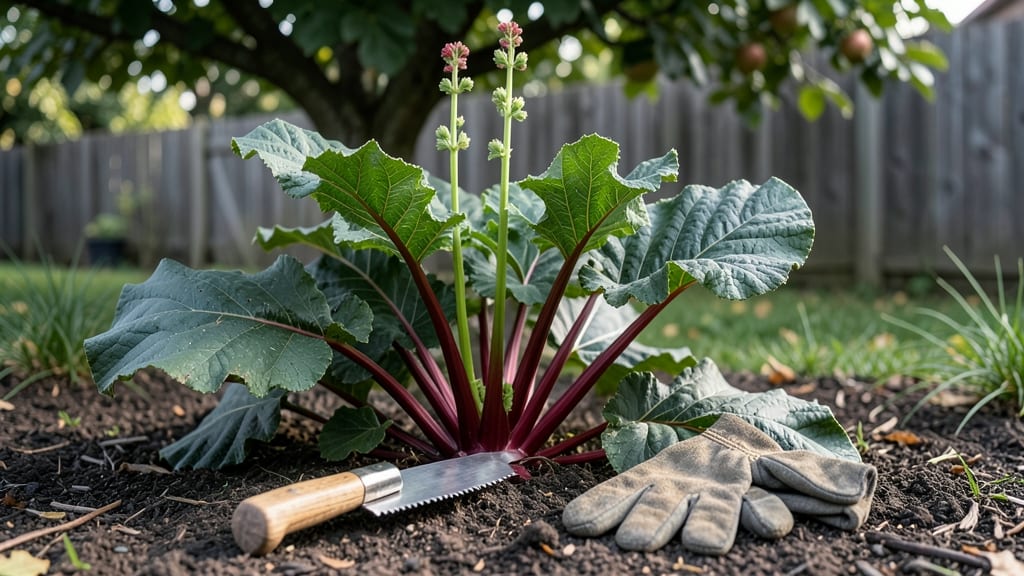
Rhubarb is classified as a vegetable because it’s the edible stalk of the plant, not the fruit. While it’s often used in desserts, its botanical status comes from how we define vegetables—any edible plant part that isn’t a reproductive organ (like fruits or seeds).
This classification might seem confusing since rhubarb stars in pies and jams, but it’s all about plant biology. 🌱 The bright red stalks we eat are actually modified stems—similar to how celery or asparagus are also vegetables despite their culinary uses.
The tiny, inedible fruit clusters that form along the stalks are the only true "fruit" part of the plant, proving why rhubarb belongs in the vegetable category. Understanding this helps explain why recipes treat it differently from true fruits like apples or berries.
What’s fascinating is how this botanical rule applies to other plants too. Take celery or fennel—their edible parts are stems, just like rhubarb, which is why they’re all grouped as vegetables despite being used in both savory and sweet dishes.
The key takeaway? Don’t let the dessert aisle fool you—botany, not taste, determines the classification.
💡 In This Article
- Botanical Classification of Rhubarb: Why Stems Overcome Fruit Labels
- Growing Rhubarb Like a Vegetable: Cultivation Tips for Gardeners
Botanical classification of rhubarb: why stems overcome fruit labels
Rhubarb's classification as a vegetable comes down to its plant anatomy. The edible parts we harvest are actually petioles—the thick, fleshy stalks that connect the leaf blades to the plant's core. These stalks store nutrients and water, functioning like the plant's plumbing system.
Botanists categorize rhubarb as a vegetable because it's a non-reproductive plant part, unlike fruits which develop from flowers and contain seeds. The tiny, inedible clusters that form along the stalks are the true fruits, but they're so small and tart they're never consumed.
This distinction becomes clearer when comparing rhubarb to other plants. Take celery—its crisp stalks are also modified stems, not fruits. Similarly, asparagus spears are immature stems, not reproductive parts.
The key difference is that rhubarb's stalks are primary growth structures, meaning they're the main structural components of the plant rather than specialized reproductive organs. 🌱 What's particularly interesting is how these classifications affect cooking: vegetables like rhubarb are often treated differently in recipes than true fruits, which is why you'll find it in savory dishes alongside other vegetables rather than fruit salads.
The confusion arises because rhubarb's tart-sweet flavor and bright color make it feel like a fruit. However, botanically speaking, fruits are defined by their role in seed dispersal and reproduction. Rhubarb's stalks serve no reproductive purpose—they're purely for nutrient storage and transport.
This is why even though we might use rhubarb in fruit pies, it's still classified as a vegetable. The same logic applies to other plants like okra or bell peppers, which are also vegetables despite their fruit-like uses in cooking.
Here's how this classification plays out in real-world examples: when you're at the grocery store, you'll find rhubarb in the produce section with other vegetables like celery or fennel, not with fruits. This isn't just arbitrary—it reflects how the plant grows and functions.
The stalks we eat are harvested at about 12-18 inches tall when they're most tender, and the plant continues to produce new stalks from the same crown for years, much like how asparagus regrows annually from its root system.
What most people don't realize is how this botanical classification affects how we prepare rhubarb. Since it's a vegetable, it's often cooked with other vegetables rather than fruits.
The stalks contain oxalic acid (about 0.5-1.5% by weight), which is why they're always cooked before eating—raw rhubarb can be quite harsh on digestion. This acidity is another reason it's treated differently from true fruits, which typically don't require cooking to be safe for consumption.
The visual difference between rhubarb's stalks and true fruits becomes apparent when you examine the plant structure. True fruits develop from flowers and contain seeds, while rhubarb's stalks are simply elongated leaf stems.
This is why botanists use terms like "simple leaf" to describe rhubarb's structure—the entire plant is essentially one large leaf with a very long stalk. 🌿 The leaves themselves are toxic due to high oxalic acid content, which is another clue that the edible part isn't the reproductive component but rather the structural support system of the plant.