
Companion Plants
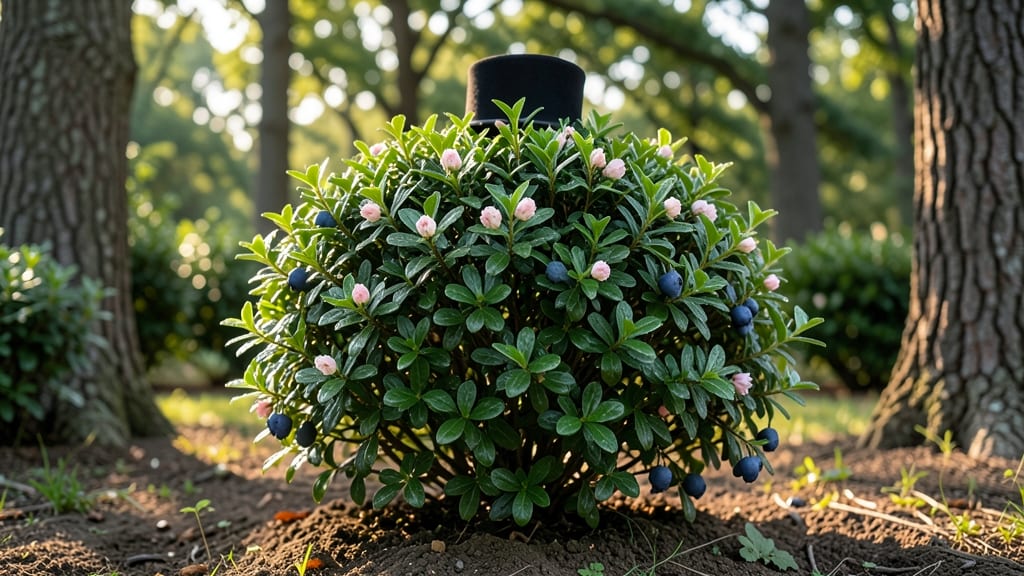
Want fresh fruit in months, not years? These 10 fast-growing fruit plants thrive in companion plantings, maximizing space and yield while deterring pests naturally. Perfect for small gardens, containers, or urban homesteads!
Strawberry June-bearing Varieties
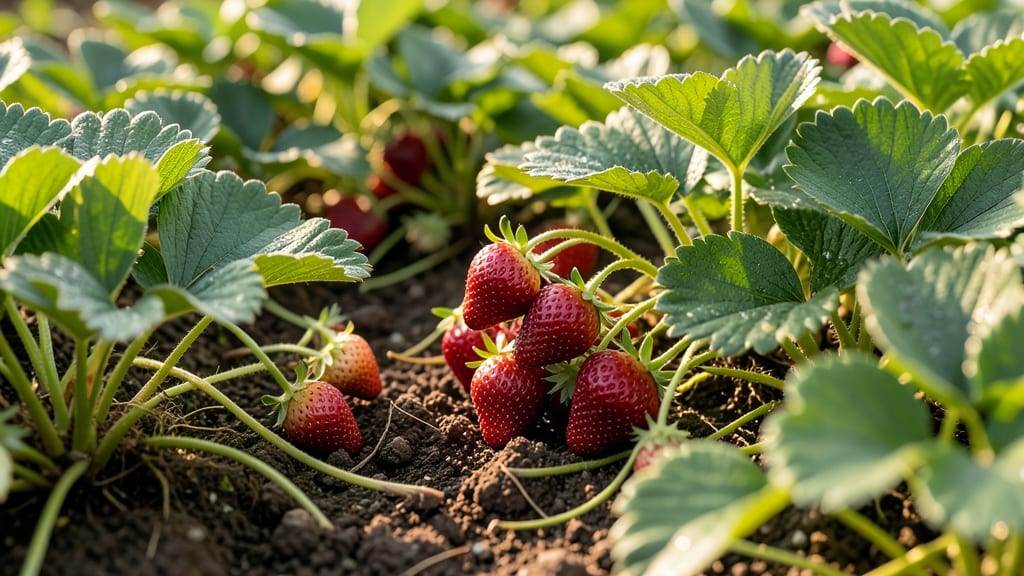
If you crave summer’s first sweet strawberries without waiting all season, June-bearing varieties deliver the fastest harvest—ripe fruit just 60 days after flowering. This makes them the ultimate choice for impatient gardeners eager to enjoy homegrown berries by early July.
These varieties thrive as living mulch, spreading across garden beds to smother weeds while their shallow roots deter erosion. The real secret? Plant them near onions or lettuce—the strong scent repels slugs, protecting both crops. For best results, choose everbearing or day-neutral types if you want a second harvest, but June-bearers excel in cooler climates with their robust flavor.
Perfect for beginners or small-space gardeners, these berries transform neglected corners into productive, low-maintenance beds. Just add a little shade cloth in peak summer to keep the fruit from burning. 🌟
Dwarf Fig Trees in Containers
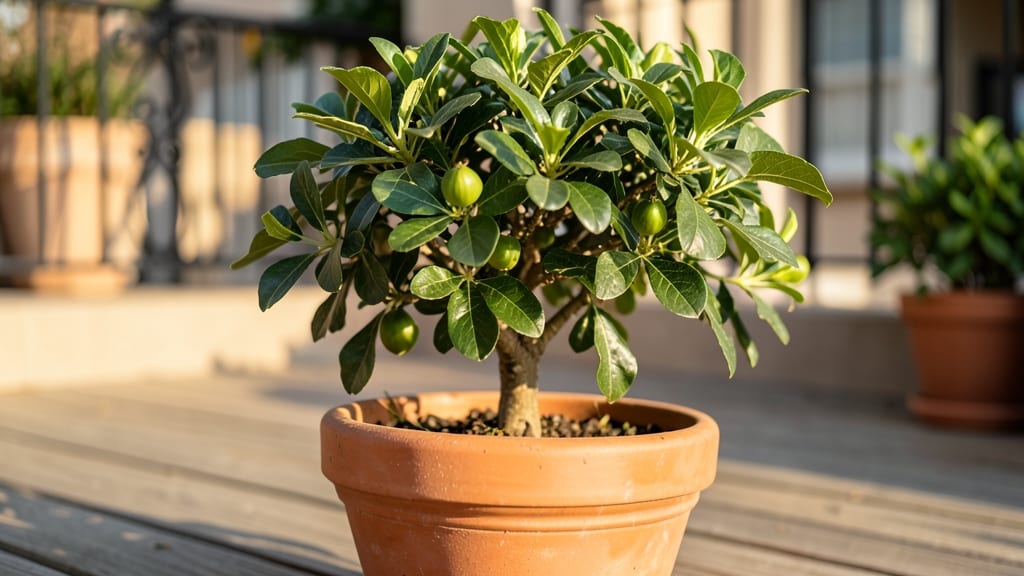
Skip the years-long wait for fruit—dwarf fig trees in containers deliver sweet rewards in just 1-2 years. Their compact size makes them perfect for patios, balconies, or sunny windowsills, while their heat-tolerant nature thrives in full sun (at least 6 hours daily).
Choose varieties like 'Little Miss Figgy' or 'Osborn Prolific' for reliable harvests. To boost flavor and deter pests, tuck basil or thyme around the base—their strong scents mask the fig beetle's attraction while adding aromatic leaves to your kitchen. Use well-draining soil and a pot with drainage holes to prevent root rot, and fertilize lightly with citrus-specific food during fruiting season.
Urban gardeners and small-space growers will love these low-maintenance trees—they even handle occasional drought once established. With minimal care, you’ll enjoy homegrown figs in record time! 🌻
Arctic Kiwi Vine (Actinidia arguta)
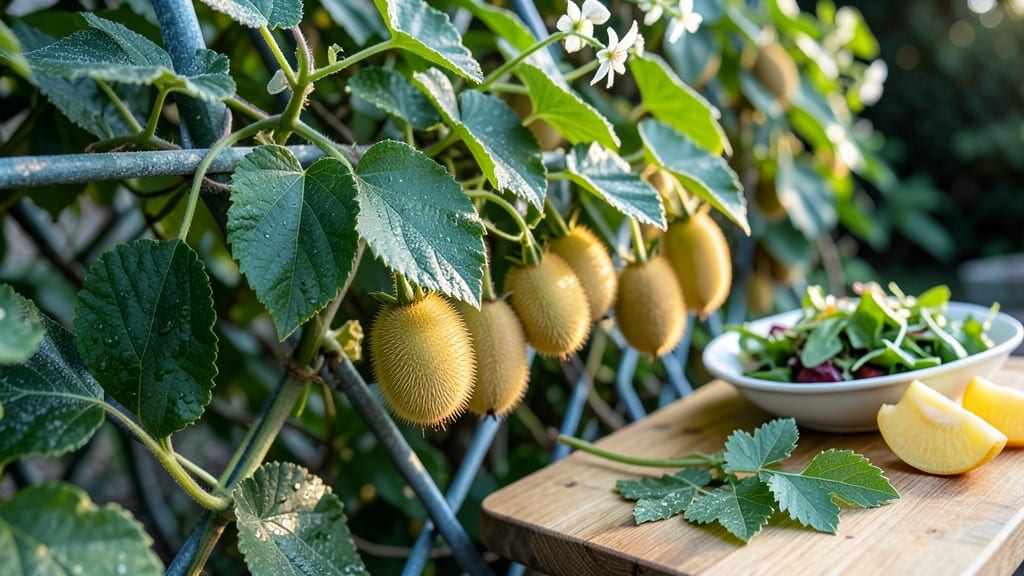
If you crave a cold-hardy fruit that thrives in zones as chilly as 3, the Arctic kiwi vine (Actinidia arguta) delivers sweet, grape-sized fruits in just 2 years—no waiting a decade like traditional kiwis. The bonus? Its leaves are edible, packed with vitamin C, and add a peppery kick to salads.
This vigorous vine needs 6 hours of sun and a sturdy trellis (pair it with grapes to share support and boost pollination). Prune in late winter to shape growth, and watch for yellowing leaves, a sign of overwatering. The edible fruits ripen in late summer, offering a tangy, tropical flavor perfect for jams or fresh snacking.
Perfect for urban gardeners with small spaces or those in cooler climates, this vine turns fences into fruit-producing art. 🌱
Dwarf Citrus Trees (Calamondin or Meyer Lemon)
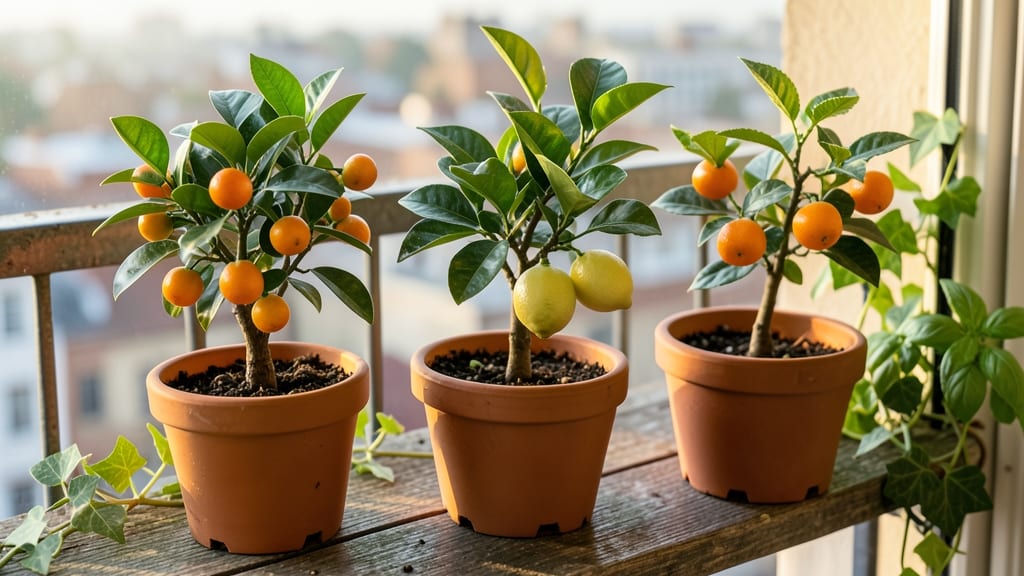
Bring the zesty rewards of a citrus grove to your balcony or windowsill with dwarf citrus trees like Calamondin or Meyer Lemon. These compact powerhouses produce fruit in as little as 1-2 years and thrive in containers, making them perfect for urban gardeners or those with limited outdoor space.
Place them near marigolds to create a natural pest barrier—marigolds repel aphids while their scent amplifies the citrus aroma, turning your small space into a fragrant, productive oasis. Ensure they get 6-8 hours of sunlight daily and use well-draining soil to prevent root rot, which is especially critical for container-grown trees.
These trees are ideal for beginners or anyone wanting year-round greenery and occasional fruit. With minimal space requirements and high rewards, they’re a refreshing addition to any indoor or patio garden. 🌻
Blackberries (Thornless Varieties)
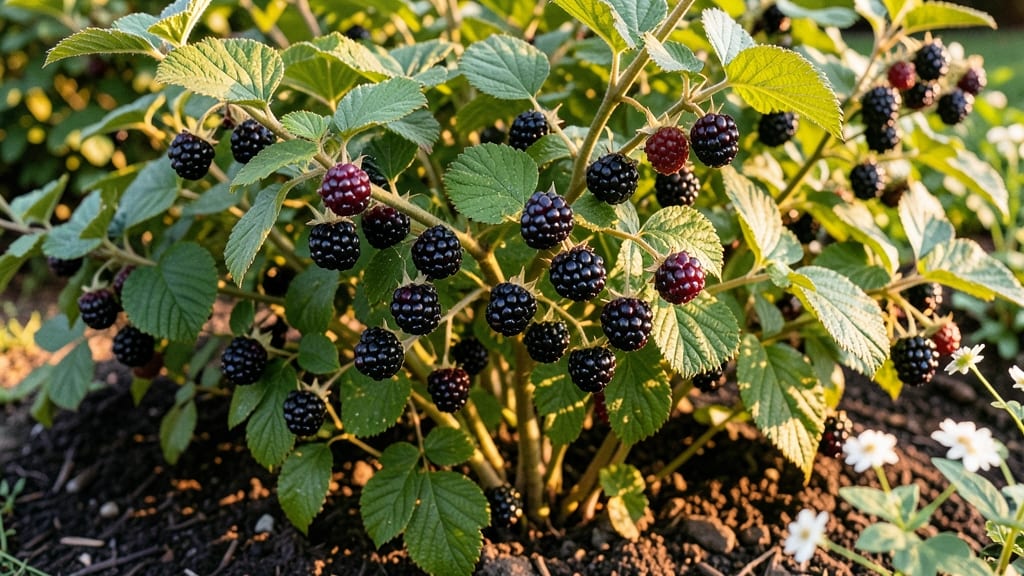
If you love high-yield fruit that spreads quickly without the hassle of thorns, thornless blackberries are your perfect match. These vigorous growers produce 2-3 pounds of fruit per plant in their first year and can double that yield with proper care—plus, they’re easier to harvest than their spiny cousins.
To maximize their potential, interplant them with comfrey, a dynamic accumulator that attracts pollinators like bees and butterflies while repelling Japanese beetles. The comfrey’s deep roots also improve soil fertility by bringing up nutrients from lower layers, creating a self-sustaining system. Plant in full sun (6+ hours) with well-draining soil and provide a sturdy trellis to support their sprawling canes.
This combo is ideal for small-space gardeners or those seeking low-maintenance, high-reward fruit. The comfrey’s lush foliage also adds visual appeal while keeping pests at bay—making it a win-win for both yield and ease. 🌿
Jostaberry Bush (Hybrid Gooseberry-Currant)
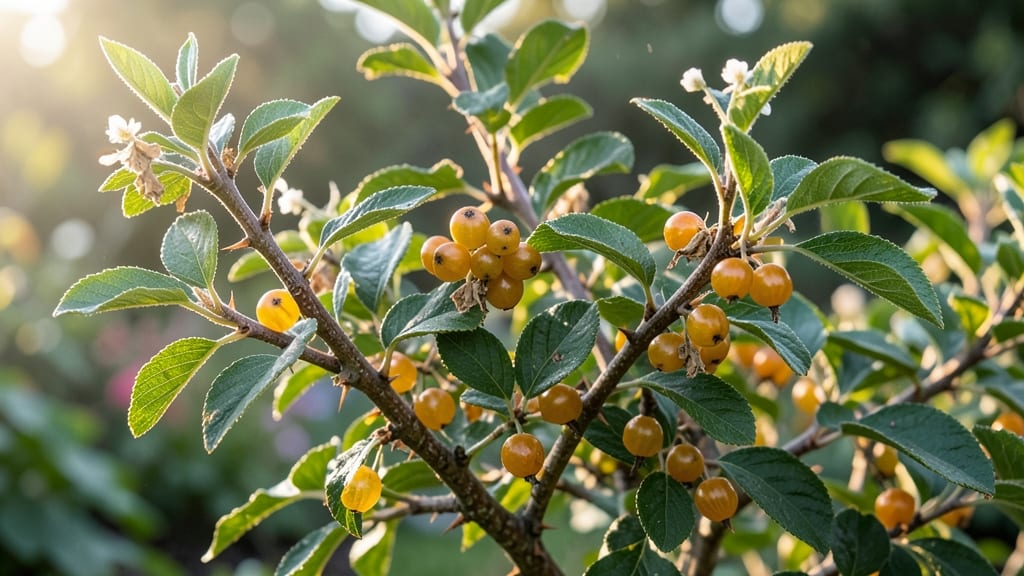
Tired of berry plants that demand constant care or succumb to disease? The jostaberry bush—a hardy hybrid of gooseberry and currant—delivers cold-hardy resilience and disease resistance while rewarding you with sweet-tart berries in just 2-3 years. Unlike fussy relatives, it thrives in USDA zones 3-8 and handles wet soils, making it ideal for northern climates.
For a low-maintenance berry thicket, plant jostaberries near raspberries to cross-pollinate and boost yields. The dense growth naturally suppresses weeds, while minimal pruning keeps the bush tidy. Harvest dark purple berries in late summer—perfect for jams, jellies, or fresh snacking. This multi-purpose shrub also provides winter interest with its ornamental bark and persistent foliage.
Perfect for urban gardeners or beginner fruit growers, jostaberries turn neglected corners into productive spaces with almost no fuss. 🌱
Pineapple Sage (Herb-Fruit Hybrid)
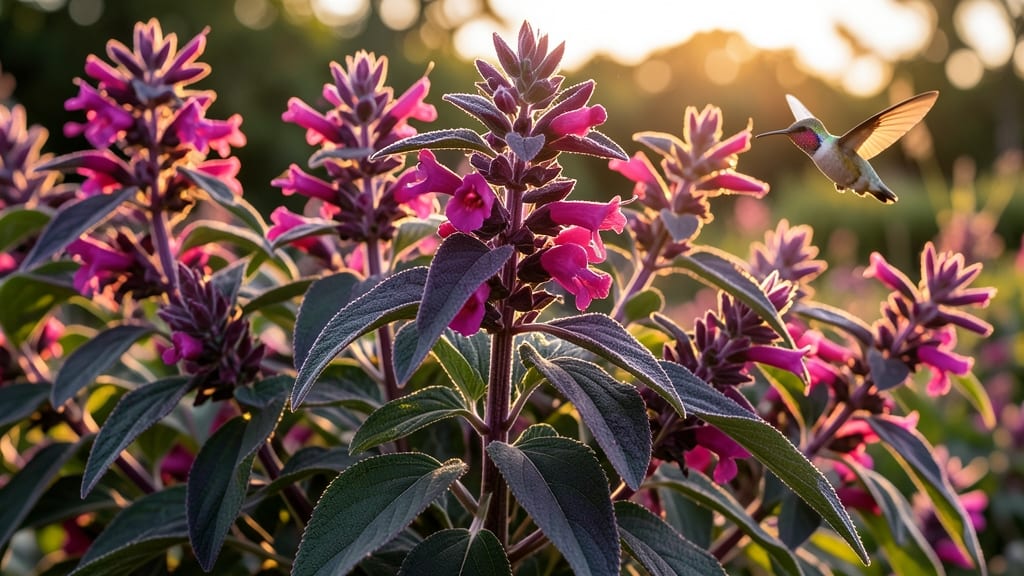
Transform your garden into a fragrant, hummingbird magnet with pineapple sage—a dual-purpose plant that delivers both beauty and bounty. This herb-fruit hybrid produces edible flowers with a sweet, pineapple-like aroma and leaves that double as a culinary herb, perfect for teas, salads, or garnishes.
Plant it near tomatoes to create a natural pest-control duo: the strong scent repels whiteflies, while its vibrant red blooms attract pollinators and hummingbirds. Thriving in full sun to partial shade, pineapple sage grows quickly and handles drought once established, making it ideal for low-maintenance borders.
Gardeners with small spaces or urban containers will love its compact size, while chefs can savor its unique flavor. It’s the ultimate multi-tasker for both the garden and the kitchen! 🌟
Dwarf Apple Trees (Columnar Varieties)
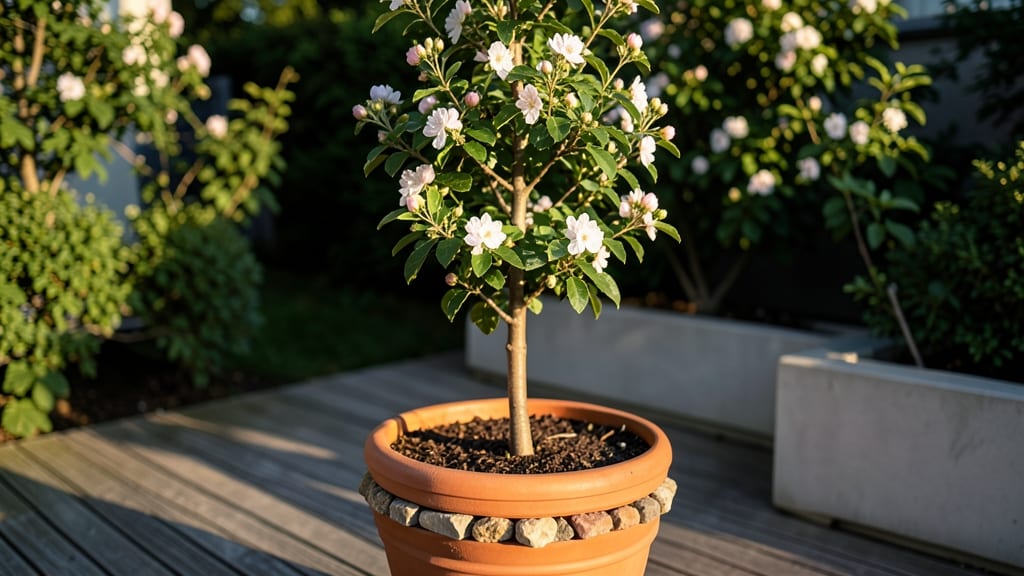
Tired of dreaming about homegrown apples but short on backyard space? Columnar dwarf apple trees deliver full-sized fruit on trees just 6–12 feet tall—ideal for urban gardens, patios, or even large containers. These varieties produce self-pollinating blossoms, so you only need one tree for a harvest, and their vertical growth saves precious ground space.
For an extra flavor boost, plant clover or alfalfa at their base—these nitrogen-fixing plants enrich the soil while subtly sweetening the fruit over time. Choose varieties like 'Red River' or 'Columnar Fuji' for reliable harvests in 3–4 years, and prune only to shape, as they naturally resist disease. Perfect for small spaces or first-time fruit growers!
This low-maintenance combo gives you year-round enjoyment with minimal effort, proving that big harvests don’t require big yards. 🌟
Passion Fruit Vine (Edible Flowers)
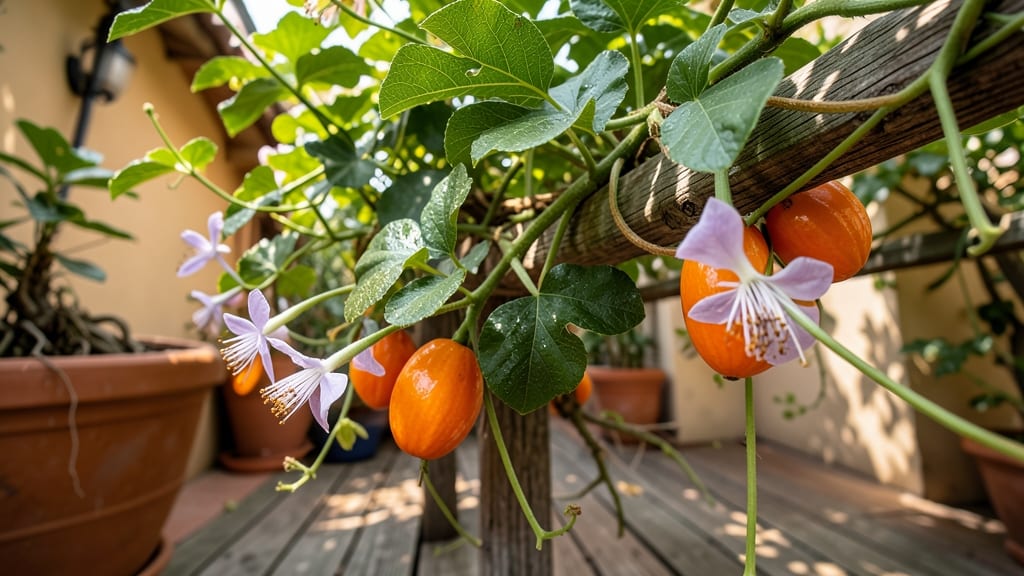
Transform your garden into a tropical paradise with the passion fruit vine—a fast-climbing, edible-flowered wonder that produces fruit in just 6-8 months with the right care. This exotic vine thrives in warm climates but can also grow in containers in cooler regions, making it perfect for urban gardeners or small spaces.
To maximize your harvest, plant nasturtiums nearby—they deter pests like aphids and spider mites while attracting pollinators that boost fruit production. Passion fruit vines need 6-8 hours of sun and a sturdy trellis to support their vigorous growth. Prune regularly to encourage airflow and prevent disease, and fertilize monthly with a balanced organic fertilizer for sweet, juicy fruits.
This vine is ideal for adventurous gardeners who want year-round interest—from fragrant flowers to vibrant fruit—and a unique culinary twist. 🌻
Dwarf Blueberry Bushes (Top Hat Variety)

If you love the idea of fresh blueberries but lack space for sprawling bushes, the Top Hat dwarf blueberry is your perfect solution—compact, evergreen, and ready to produce fruit in just 2-3 years. This variety thrives in partial shade, making it ideal for woodland gardens or shaded patios where other fruit plants struggle.
To maximize its potential, interplant with ferns or hostas to create a lush, shade-tolerant ground cover while keeping the soil acidic—a critical requirement for blueberries. The ferns add texture and moisture retention, while hostas deter weeds naturally. Mulch with pine needles or peat moss to maintain acidity and reduce maintenance. With minimal pruning, you’ll enjoy year-round greenery and summer berries with minimal fuss.
Perfect for small gardens, containers, or urban homesteads, these bushes bring beauty and productivity to shaded spots others overlook. 💚