
Container Gardens
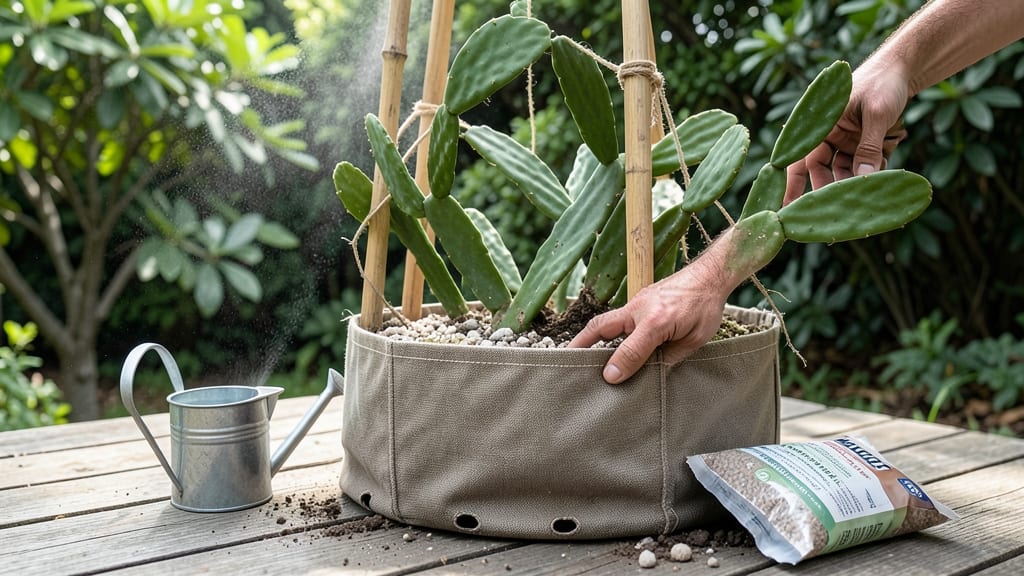
Dragon fruit thrives in containers when you pick the right variety and match it to your space. 🌱 I’ve grown these striking vines for years, and the secret lies in mimicking their tropical jungle home—even on a balcony or patio.
The compact ‘Baby Dragon Fruit’ variety stays manageable in 5-gallon pots, while ‘Thai Red’ climbs happily in 10-gallon containers, producing fruit within 2-3 years.
The soil needs to drain fast but hold moisture—think cactus mix with perlite or orchid bark. Place your container where it gets 6+ hours of sunlight daily, and rotate it weekly so the vine grows evenly.
Water only when the top inch feels dry; overwatering is the #1 killer of container-grown dragon fruit. A trellis or sturdy fence keeps the sprawling stems contained while encouraging upward growth.
By summer, you’ll spot those iconic pink or yellow blooms followed by sweet, kiwi-like fruit. The real magic happens when you hand-pollinate with a small brush (or even a cotton swab) to boost fruit set.
Even in cooler climates, these tropical vines can overwinter indoors near a sunny window, though growth slows dramatically. The payoff? Fresh, vibrant fruit that tastes nothing like store-bought—and zero grocery bill for exotic treats.
This method works for small spaces, urban balconies, or even greenhouses. The only catch? Patience—full harvest takes 2-3 years, but once established, these vines produce year after year with minimal fuss. Ready to grow your own dragon fruit jungle?
📚 In This Guide
- What you need
- Instructions
- Tips and common mistakes
- Wrapping up and next steps
What you need
- ● Container: A 5-gallon or larger pot (minimum 12–18 inches deep) with drainage holes. Self-watering pots are a bonus for busy gardeners! 🏺
- ● Dragon Fruit Plant: A compact variety like ‘Baby Dragon’ or ‘Petite Pink’ (dwarf types thrive in containers). Check local nurseries or online sellers for healthy, potted starters. 🌵
- ● Well-Draining Potting Mix: A blend of cactus/succulent mix (60%) + perlite/pumice (30%) + compost (10%). Avoid heavy garden soil—it causes root rot! 🌿
- ● Support Structure: A trellis, bamboo stake, or sturdy wire cage (4–6 feet tall) to guide vines as they grow. Dragon fruit loves to climb! 🪜
- ● Fertilizer: A balanced, slow-release fertilizer (10-10-10) or organic options like fish emulsion. Feed every 4–6 weeks during growing season. 🌱
- ○ Mulch: Gravel or bark chips (1–2 inches) to retain moisture and regulate soil temp. Optional but helpful in hot climates! ⛏️
- ● Pruners: Sharp, clean bypass pruners for trimming vines and dead leaves. Sanitize with rubbing alcohol between cuts! ✂️
- ● Watering Can or Hose: With a gentle spray nozzle to avoid disturbing the soil. Dragon fruit hates soggy roots! 💦
- ○ pH Test Kit: Optional but useful—dragon fruit prefers pH 6.0–7.0. Adjust with lime (to raise) or sulfur (to lower) if needed. 🧪
- ● Grow Lights (Indoor Growers):strong> A full-spectrum LED grow light (12–16 hours/day) if your space lacks sunlight. 💡
- ● Gloves: Heavy-duty gardening gloves to protect from thorns (those vines pack a punch!). 🧤
- ● A sunny spot with 6+ hours of direct sunlight daily (south or west-facing is ideal). Partial shade works in hot climates. ☀️
- ● Access to warmth (70–90°F). Dragon fruit is tropical—bring pots indoors or to a greenhouse if temps drop below 50°F. ❄️➡️🔥
- ● Patience! Dragon fruit plants take 18–24 months to bear fruit, but container varieties may fruit sooner. 🕒
Step-by-Step instructions for growing dragon fruit in containers
Here's how to cultivate vibrant, fruit-bearing dragon fruit plants in pots—perfect for small spaces.
🌱 Step 1: Select the Right Compact Variety and Container
Choose a dwarf or compact variety like 'Petite Pink' or 'Baby Pink'—these stay under 6 feet tall and thrive in containers. A 5-gallon pot is ideal for your first plant, with drainage holes to prevent root rot. I use terra cotta because it breathes and helps regulate moisture.
Fill the bottom 2 inches with gravel or perlite for drainage. This layer prevents waterlogging, which dragon fruit plants despise. If your pot lacks drainage, drill holes yourself—just don’t go larger than ¼ inch to keep roots contained.
🪴 Step 2: Prepare the Potting Mix and Plant the Offshoot
Use a lightweight, airy potting mix blended with 20% coconut coir or perlite. Dragon fruit roots need oxygen, so avoid heavy garden soil. Mix in a slow-release fertilizer (like 10-10-10) at planting time to give the plant a nutrient boost.
Plant the offshoot (pups)—not the seed—since they fruit faster. Bury the base of the offshoot 1 inch deep, leaving the top ½ inch exposed. Water thoroughly until it drains from the bottom, then let it sit for 10 minutes to settle.
☀️ Step 3: Position for Maximum Sun and Warmth
Dragon fruit needs full sun (6+ hours daily) and warmth (70-90°F) to thrive. Place your pot in a south-facing spot or under a grow light if indoors. I’ve seen leggy growth when plants stretch toward light—this means they’re not getting enough intensity.
Rotate the pot quarter-turn weekly so the plant grows evenly. If temperatures drop below 50°F, move it indoors or cover with frost cloth. Dragon fruit is tropical—it won’t tolerate cold snaps, even briefly.
💧 Step 4: Water and Fertilize for Healthy Growth
Water when the top 2 inches of soil feel dry—about once a week in summer, less in winter. Overwatering is the #1 killer of container-grown dragon fruit. Stick your finger in the soil; if it’s damp, wait another day.
Feed every 4-6 weeks with a balanced liquid fertilizer (like 20-20-20) diluted to half strength. When flowers appear, switch to a high-phosphorus fertilizer (like 10-30-20) to encourage fruiting. Stop fertilizing once fruit forms—too much nitrogen makes plants grow leaves instead of fruit.
✂️ Step 5: Prune and Support for Fruit Production
Prune dead or yellowing leaves regularly to redirect energy. When the plant reaches 3-4 feet tall, trim back ⅓ of the top growth to encourage bushier growth. This also prevents the plant from becoming top-heavy in pots.
Install a small trellis or bamboo stake early to support vines. Dragon fruit flowers are heavy, and vines can snap under the weight. Tie main stems loosely with soft plant ties—too tight, and you’ll damage the bark.
Tips & tricks for growing dragon fruit in containers
Here's what nobody tells you about container gardening with dragon fruit—lessons I learned after watching three plants struggle.
Container Size Matters: That 5-gallon pot recommendation isn't just a starting point—it's non-negotiable for your first year. Dragon fruit roots expand aggressively, and a smaller container will lead to stunted growth and poor fruiting. If you're tempted to use a 3-gallon pot to save space, you'll end up with a plant that looks more like a sad houseplant than a fruit producer.
The Offshoot Secret: When planting those pups in Step 2, look for offshoots that are at least 3 inches long with their own roots. Smaller ones might not survive the transplant shock. I've found that pups with visible root systems establish themselves faster and start flowering within 12-18 months instead of the usual 2-3 years.
Sunlight Strategy: The 6+ hours of sun requirement is strict—no compromises. If your space only gets 4-5 hours of direct sunlight, supplement with a grow light for at least 2 hours daily. I've seen plants stretch dramatically when they're not getting enough light, and those leggy growth patterns make them more susceptible to pests and diseases.
Fertilizer Timing: The switch to high-phosphorus fertilizer when flowers appear is crucial, but timing matters just as much as the type. Start this switch when you see the first flower buds forming, not after the flowers are already open. This gives the plant the phosphorus boost it needs during the critical flowering stage, which directly impacts fruit set. Too late, and you might end up with lots of flowers but no fruit.
Pro Tips for Growing Dragon Fruit In Containers
- Here's what nobody tells you about container gardening with dragon fruit—lessons I learned after watching three plants struggle.
- Container Size Matters: That 5-gallon pot recommendation isn't just a starting point—it's non-negotiable for your first year.
- The Offshoot Secret: When planting those pups in Step 2, look for offshoots that are at least 3 inches long with their own roots.
Frequently asked questions
Got questions about container-grown dragon fruit? You’re not alone! Here are answers to the most common concerns—from timing to troubleshooting—to help you grow successfully.
Can dragon fruit really thrive in containers year-round?
Yes! Compact varieties like Hylocereus undatus or Hylocereus megalanthus adapt well to containers if given bright indirect light (6+ hours daily) and warmth (60°F+). In colder climates, move pots indoors near a sunny window or use a grow light. Just avoid drafts—dragon fruit is tropical!
How long does it take for container-grown dragon fruit to bear fruit?
Patience is key! Most container-grown dragon fruit plants take 18–36 months to produce fruit, depending on variety and care. Dwarf varieties may fruit sooner (12–18 months). Boost flowering by ensuring consistent watering, balanced fertilizer (like 10-10-10), and pollination (hand-pollinate with a brush if bees are scarce).
Why are my dragon fruit leaves turning yellow or brown?
Yellow leaves often signal overwatering (let soil dry between waterings) or nutrient deficiency (feed monthly with citrus fertilizer). Brown edges? It could be underwatering or fluoride buildup (use filtered or rainwater). Check for pests too—mealybugs or spider mites love dragon fruit! Spray with neem oil if needed.
What’s the best container size for dragon fruit?
Aim for at least 15–20 gallons (24–30 inches deep) for mature plants, with drainage holes. Smaller pots (5–10 gallons) work for young plants but limit growth. Use lightweight materials like fabric grow bags or plastic to prevent root-bound stress. Add perlite or coco coir to improve aeration!
Can I grow dragon fruit indoors near a window?
Place your pot near a south- or west-facing window for maximum light. Supplement with a grow light (12–14 hours/day) if natural light is dim. Avoid cold drafts (like AC vents) and keep humidity up with a pebble tray or humidifier. Just rotate the pot weekly for even growth!
What if my dragon fruit plant isn’t flowering?
Dragon fruit needs day-night temperature swings (10°F difference) and 12+ hours of light to flower. Try moving your pot outside during the day and back in at night if indoors. Prune leggy stems to encourage bushier growth, and ensure it’s well-fed (use a bloom booster fertilizer like 5-10-10).
Wrapping up and next steps
Growing dragon fruit in containers is a rewarding journey that brings vibrant color and delicious fruit right to your doorstep—literally! With the right compact varieties, proper care, and a little patience, you’ll soon be harvesting sweet, exotic treats.
Whether you’re a beginner or a seasoned gardener, this method proves that big flavors don’t need big spaces.
Ready to take the next step? Start by planting your own dragon fruit this season and enjoy the journey of nurturing a tropical plant that thrives in containers. Happy growing! 🌱✨