
Picking
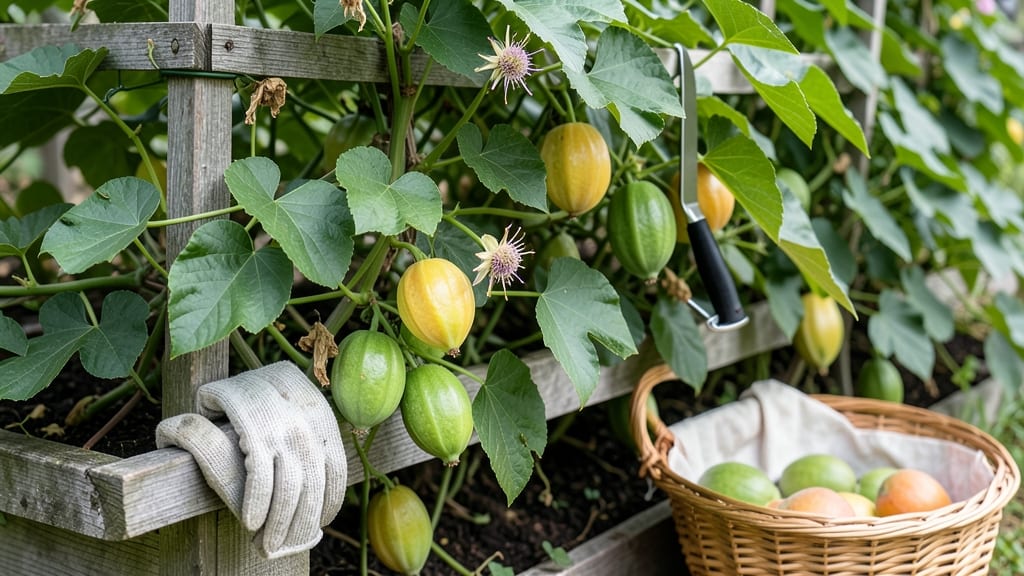
Ripening passion fruit 🍈 is all about timing—pick too early, and you’ll end up with bland, seedy pulp; wait too long, and the fruit turns mushy or drops to the ground.
Passion fruit vines can be finicky, but knowing exactly when your fruit is ripe means the difference between a sweet, juicy harvest and a mealy disappointment. Here’s how to spot the perfect moment to pick—before the fruit overripens and falls to the ground.
Look for a deep, vibrant color shift (yellow, orange, or purple depending on the variety), a slight softness when gently squeezed, and a stem that dries and pulls away easily. These three key signs tell you it’s time to harvest.
In this guide, I’ll walk you through visual and tactile cues, how to avoid common mistakes, and even how to ripen green fruit at home if you miss the window. Let’s get that passion fruit tasting its best!
5 Visual and tactile signs your passion fruit is ripe
Passion fruit ripeness is all about subtle cues—color shifts, texture changes, and even scent. Unlike some fruits that ripen on the vine, passion fruit must be picked at the perfect moment to avoid mealiness or overripening.
I’ve learned the hard way that waiting too long means mushy fruit, while picking too early leaves you with tart, underripe pulp. Here’s how to nail that sweet spot every time.
First, let’s talk about the most obvious clue: color transformation. The green hue fades dramatically as the fruit matures, revealing its true yellow, orange, or deep purple (depending on the variety).
This isn’t just a surface change—it’s a sign the sugars inside are peaking. I always check this first, especially with purple passion fruit, where the color shift is the most dramatic.
Color Shift
Yellow Passion Fruit: Deep golden-yellow with slight bronze speckling. Avoid if still green-tinged.
Purple Passion Fruit: Rich eggplant-purple (not dull brown). Green patches mean not ready.
Golden Passion Fruit: Golden-orange with no green. Fading gold = overripe.
Texture Test
Gently squeeze the fruit—ripe passion fruit should yield slightly (like a soft tennis ball). If it’s rock-hard, it’s unripe. If it’s mushy, it’s overripe.
Pro Tip: Twist gently at the stem. A ripe fruit will detach easily with a slight popping sound.
Scent Check
Sniff near the stem end—ripe passion fruit emits a sweet, floral aroma (like honey and citrus). No scent? Not ripe yet.
Warning: A fermented or sour smell means it’s overripe and past its prime.
Size & Shape
Ripe passion fruit is plump but not oversized. Compare to a golf ball—slightly larger, but not bulging.
Varietal Note: Purple passion fruit often stays smaller than yellow varieties. Don’t judge ripeness by size alone!
Stem Shrivel
Check the stem attachment. A ripe fruit’s stem will shrink and dry near the fruit’s base. If it’s plump and green, the fruit needs more time.
Harvest Hack: Use pruning shears to avoid crushing the fruit if the stem is too tough.
Now that you’ve mastered the visual and tactile cues, here’s my final tip: Pick in the morning when fruits are coolest. This preserves their freshness longer and makes the scent and texture tests more accurate.
Overripe passion fruit on the vine will split open and attract pests, so act fast once you spot these signs!
Pro move: Harvest a few fruits at different ripeness stages to compare. Your taste buds will thank you when you crack open that perfectly ripe passion fruit—juicy, aromatic, and bursting with flavor. 🍈
How to avoid common mistakes when picking passion fruit
Picking passion fruit at the wrong time can turn your harvest from delicious to disappointing. The key mistake many gardeners make is waiting too long—once fruit hits the ground, it’s often overripe and mushy.
Worse, rough handling can damage the vine, reducing next year’s yield. Let’s fix these issues before they happen.
First, watch for overripe fruit that’s fallen or split open. These fruits lose flavor and attract pests like fruit flies. Underripe fruit, still hard and green, won’t ripen properly off the vine.
Both extremes waste your hard work. The solution? Learn the 3 critical signs of perfect ripeness and how to handle the vine gently.
⚠️ Warning: Overripe vs. Underripe Passion Fruit
Overripe: Skin wrinkles, splits, or falls off vine. Inside is mealy and seedy with little juice. Pest magnet!
Underripe: Hard, green skin that doesn’t yield when pressed. Tastes bitter and bland. Won’t ripen properly off vine.
Perfect: Firm but slightly soft skin, deep yellow/orange/purple color, and a dry stem base.
When harvesting, always twist the fruit gently to avoid tearing the vine. If the fruit detaches prematurely, check for weak attachment points—this often means the vine needs more phosphorus-rich fertilizer or support. Use a small pruning shear for stubborn fruits, but never pull with force.
If fruit detaches too early, place it in a paper bag with a ripe banana to speed ripening. The banana’s ethylene gas triggers natural ripening. For future harvests, train vines on a trellis system to reduce stress and improve fruit access.
Store ripe passion fruit in the fridge for up to 2 weeks, but eat it within 3-5 days for peak flavor. Overripe fruit can be blended into smoothies or frozen for later use. With these tips, you’ll maximize yield and enjoy sweet, juicy passion fruit all season.
Remember: Patience and precision are key. Check fruit daily during peak harvest months (July-October) to catch the perfect moment. Happy picking! 🍈