
Flowers
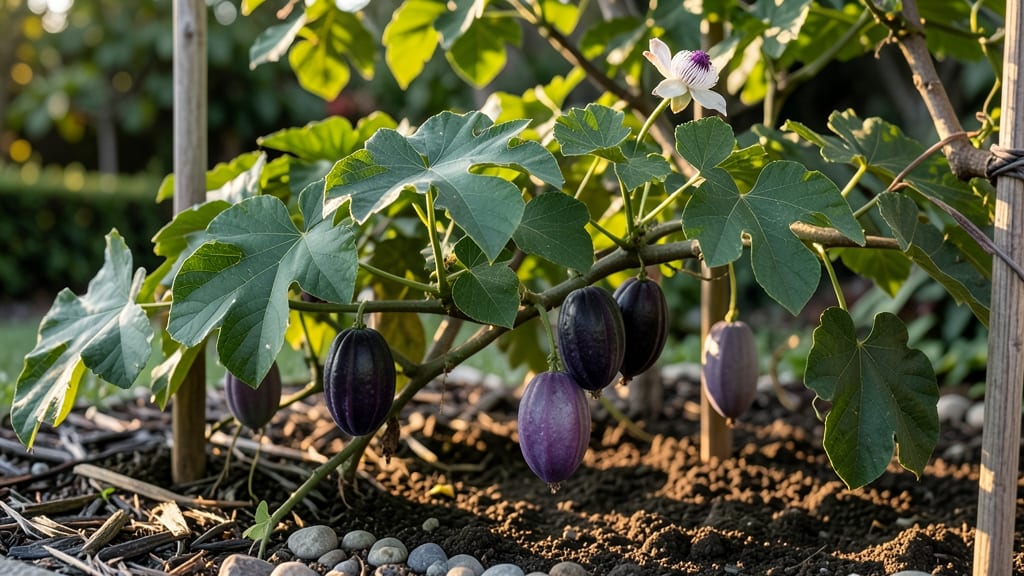
Growing Frederick Purple passion fruit tastes like summer in a fruit—sweet, tart, and packed with tropical flavor. 🌿 I’ve wrestled with finicky passion fruit varieties before, but this one thrives in my zone 8 garden with minimal fuss, producing 20+ fruits per vine once established. The key?
Understanding its quirks from day one. This vine isn’t your average houseplant—it demands full sun, well-draining soil, and a sturdy trellis to climb. Unlike some passion fruits that struggle in heat, Frederick Purple handles 90°F days like a champ, as long as you keep it hydrated.
The real magic happens when you mimic its tropical roots: mulch heavily, fertilize lightly, and watch those purple blooms turn into glossy, grape-sized gems by late summer.
By year two, you’ll be harvesting year-round (yes, even in cooler months with protection) and sharing jars of homemade passion fruit jam with neighbors who’ll beg for your secrets. The vines grow 15–20 feet if left unchecked, so plan your space—or your fence—carefully.
Here’s the game-changer: hand-pollinate the flowers in the morning for guaranteed fruit set. It takes two minutes but eliminates the “why aren’t there any fruits?” panic. Trust me, your future self will thank you.
📚 In This Guide
- What you need
- Instructions
- Tips and common mistakes
- Wrapping up and next steps
What you need
- ● Passion Fruit Vines (Frederick Purple): 2–3 healthy, disease-free plants (check local nurseries or online seed banks).
- ● Well-Draining Soil: Mix 60% potting soil with 40% perlite or coconut coir for aeration.
- ● Containers or Raised Beds: Containers: 15–20 gallon pots (at least 18" deep) with drainage holes.
- ● Raised Beds: 3–4 ft wide x 6 ft long (if planting in-ground).
- ● Support Structure: Trellis, arbor, or sturdy stakes (8–10 ft tall) for climbing vines.
- ● Organic Fertilizer: Balanced 10-10-10 or compost (e.g., worm castings or banana peel tea).
- ● Mulch: Straw or wood chips (2–3 inches) to retain moisture.
- ● Basic Gardening Tools: Pruners, trowel, gloves, and a watering can or hose with a gentle spray nozzle.
- ● pH Test Kit: Ideal soil pH: 6.0–7.5 (adjust with lime or sulfur if needed).
- ○ Drip Irrigation (Optional): For consistent moisture, especially in hot climates.
- ● Sunlight Access: Full sun (6+ hours daily) or partial shade in extreme heat.
- ● Patience! 😉 Frederick Purple vines take 12–18 months to bear fruit.
- ● 🌡️ Temperature: Thrives in USDA Zones 9–11; protect from frost with row covers.
- ● ✨ Pollination: Hand-pollinate with a small brush if bees are scarce.
- ● 🔥 Pruning: Trim leggy vines in early spring to encourage bushier growth.
Step-by-step instructions for cultivating Frederick Purple passion fruit
Here's how to coax these stunning vines into producing sweet, fragrant fruit—no matter your climate.
🌱 Step 1: Select and Prepare Your Planting Site
Frederick Purple thrives in full sun (at least 6-8 hours daily) and well-draining soil with a pH of 6.0-7.0. I always test my soil first—passion fruit roots hate soggy conditions. If your garden soil is heavy clay, amend it with 3-4 inches of compost mixed into the top 12 inches of soil. This vine needs room to stretch, so choose a sunny, sheltered spot where it can climb a trellis or fence.
For containers, use a large pot (15+ gallons) with drainage holes. Fill it with a mix of equal parts potting soil, perlite, and compost. The roots grow aggressively, so a deep container mimics in-ground conditions. Place the pot where it gets morning sun and afternoon shade in hot climates—this prevents fruit from scorching.
🌿 Step 2: Plant and Train the Vine
Plant your Frederick Purple cutting or young vine in early spring after the last frost. Dig a hole twice as wide as the root ball but no deeper. Place the vine in, ensuring the top of the root ball sits level with the soil surface. Backfill with amended soil, pressing gently to remove air pockets. Water deeply to settle the roots—1 gallon per plant is ideal.
Install a strong trellis or fence immediately. Passion fruit vines grow 15-20 feet annually, so secure it with soft plant ties to guide growth upward. Prune side shoots back to 2-3 leaves when they reach 6 inches—this encourages the main vine to thicken and produce more fruit. Real talk: If you skip this, you'll end up with a tangled mess by summer.
☀️ Step 3: Water and Fertilize for Maximum Fruit Production
Keep the soil evenly moist but never soggy—Frederick Purple needs 1-2 inches of water weekly, more in extreme heat. I water at the base of the plant in the morning to reduce fungal risks. Mulch with 2-3 inches of organic mulch (like straw or wood chips) to retain moisture and suppress weeds. Avoid wetting the leaves or fruit to prevent disease.
Feed your vine monthly with a balanced fertilizer (10-10-10) during the growing season (spring through fall). When flowers appear, switch to a low-nitrogen, high-phosphorus fertilizer (like 5-10-10) to boost fruit set. I also add 1 cup of compost tea every 4 weeks—this gives the vine a gentle nutrient boost without burning the roots.
✂️ Step 4: Prune and Harvest for Continuous Production
Prune late winter or early spring before new growth starts. Cut back old, woody vines to 3-4 feet tall, leaving 2-3 strong canes. Remove any dead, diseased, or crossing branches to improve airflow. This keeps the plant energized for the next harvest season. I also trim back overly vigorous side shoots to focus energy on fruit production.
Harvest when the fruit is fully colored and slightly soft to the touch. Frederick Purple passion fruit typically ripens 8-10 months after planting. Twist gently to detach—don’t pull, or you’ll damage the vine. Store unripe fruit at room temperature until ripe, or refrigerate for up to 2 weeks. Once ripe, enjoy within 3-4 days for peak flavor.
🌱 Step 5: Overwinter for Year-Round Success
In USDA Zones 8-10, Frederick Purple passion fruit is perennial. In colder zones (7 and below), protect the plant by mulching heavily and wrapping the base in burlap. If frost threatens, cover the entire vine with a frost blanket. In containers, move the pot to a garage or shed where temperatures stay above 40°F. Prune back dead growth in early spring once temperatures rise.
Here’s the thing—passion fruit vines produce best with consistent care. If you let them go dormant or neglect pruning, you’ll sacrifice fruit quantity. But with this routine, you’ll get continuous harvests from late summer through fall—and maybe even into winter in warm climates.
Tips & tricks for perfect Frederick Purple passion fruit cultivation
Mastering these vibrant vines takes patience, but these insider tips will help you avoid common pitfalls and maximize your harvest.
Sunlight Strategy: While the instructions call for full sun, I’ve found that in extremely hot climates (like Southern California), providing afternoon shade can actually increase fruit production. The vine’s leaves will thank you by staying healthier, and the fruit won’t scorch before ripening. Position your trellis to catch morning sun while shielding from intense afternoon rays—this balances energy without sacrificing photosynthesis.
Root Health Secret: The instructions mention well-draining soil, but I can’t stress enough how critical this is for Frederick Purple. I’ve seen vines drown in just a few days if planted in heavy clay without proper amendments. After amending with 3-4 inches of compost, I also add a 2-inch layer of coarse sand mixed into the bottom 6 inches of the planting hole. This creates a drainage layer that prevents root rot, especially in containers where water can pool.
Pruning Precision: When pruning side shoots back to 2-3 leaves at 6 inches, I use sharp, sterilized pruning shears to make clean cuts just above a leaf node. This prevents disease entry points and encourages stronger regrowth. Pro tip: Mark your calendar for late winter pruning—this gives the vine enough time to recover before the growing season kicks in. I also save my pruned cuttings in a damp paper towel in the fridge for potential propagation later.
Fertilizer Timing: The monthly 10-10-10 fertilizer schedule works, but I’ve found that applying half the recommended dose every two weeks prevents nutrient burn while maintaining steady growth. When flowers appear and you switch to 5-10-10, I reduce the frequency to every three weeks. The key is consistency—the vine responds best to predictable feeding rather than sporadic heavy doses.
Pro Tips for Frederick Purple Passion Fruit
- Mastering these vibrant vines takes patience, but these insider tips will help you avoid common pitfalls and maximize your harvest.
- Sunlight Strategy: While the instructions call for full sun, I’ve found that in extremely hot climates (like Southern California), providing afternoon shade can actually increase fruit production.
- Root Health Secret: The instructions mention well-draining soil, but I can’t stress enough how critical this is for Frederick Purple.
Frequently asked questions
How long does it take for Frederick Purple Passion Fruit to bear fruit?
With proper care, Frederick Purple Passion Fruit vines typically take 12–24 months to produce fruit after planting. Early blooms may appear within 6–12 months, but consistent fruit production depends on warm temperatures (above 60°F/15°C), sunlight, and regular watering. Patience pays off—healthy vines reward you with vibrant purple fruit!
Can I grow Frederick Purple Passion Fruit in containers, or do I need a garden?
These vines thrive in large containers (15+ gallons) with drainage holes, making them perfect for patios or balconies. Use well-draining potting mix and a trellis for support. Just ensure the container gets 6+ hours of sunlight daily and is moved indoors if temperatures drop below 50°F (10°C). Container-grown vines may fruit slightly later but are manageable.
How cold can Frederick Purple Passion Fruit tolerate? Will it survive winter?
Native to tropical climates, Frederick Purple Passion Fruit is not frost-tolerant. Vines die back in temperatures below 28°F (-2°C). In colder zones, grow them in containers and move them indoors or use frost cloth. Alternatively, plant near a sunny wall or mulch heavily to insulate roots. Prune damaged growth in spring—new shoots will sprout with warmer weather!
Why aren’t my Frederick Purple Passion Fruit vines flowering or fruiting?
Common culprits include insufficient sunlight (they need 6–8 hours daily), overwatering (root rot stunts growth), or lack of pollinators. Hand-pollinate flowers with a soft brush if bees are scarce. Check soil nutrients—feed with a balanced fertilizer (10-10-10) during blooming season. If vines are too young (<1 year), they may not flower yet!
How do I know when Frederick Purple Passion Fruit is ripe and ready to pick?
Ripe fruit turns a deep purple-black with a slightly wrinkled skin. Gently squeeze—it should feel soft but not mushy. The stem should pull away easily. Unripe fruit is green or yellowish; wait 1–2 weeks longer. Pro tip: Pick in the morning when flavors are peak sweet! Store unripe fruit at room temp to ripen.
Wrapping up and next steps
Growing Frederick Purple passion fruit is a rewarding journey that brings vibrant flavors and lush greenery to your garden. With the right care—sunlight, support, and patience—you’ll soon enjoy a bountiful harvest of tropical sweetness. Whether you’re a seasoned gardener or a beginner, these tips will set you up for success!
Ready to dive in? Start small—plant a single vine and let your passion for gardening (and purple passion fruit!) grow. Happy planting! 🌱✨