
Plants
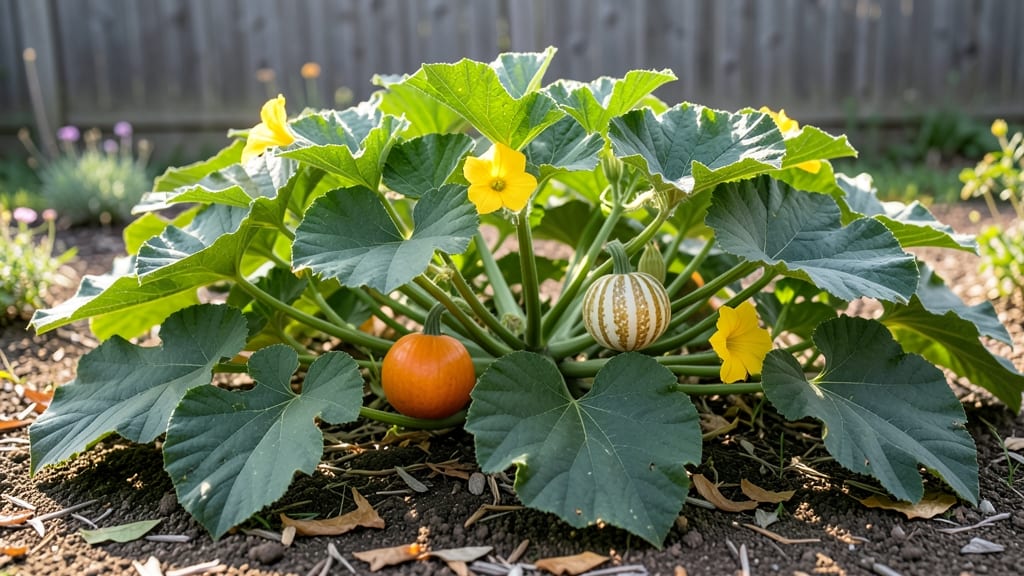
Growing pumpkin-like fruit that thrives in just 60 days changed how I think about summer harvests. 🌱 These fast-growing vines—winter squash, gourds, and pumpkins—deliver sweet, nutritious fruit without the long wait of traditional pumpkins.
The secret lies in choosing the right varieties and giving them exactly what they need: warm soil, consistent water, and a little space to sprawl.
I started with butternut squash and acorn squash because they mature quickly and handle cooler nights better than most. Plant seeds after the last frost when soil hits 60°F, and watch those first leaves unfurl in days.
The vines grow aggressively, so give them 3-5 feet of space or train them up a trellis to save room. A handful of compost at planting time gives them the nutrient boost they crave.
By midsummer, you'll be harvesting fruit that's denser, sweeter, and more flavorful than store-bought. The key is consistent watering—keep soil moist but not soggy—and watch for squash vine borers.
A simple row cover early in the season keeps pests at bay. Once ripe, these fruits store for months, making them a gardener's secret weapon for year-round meals.
Whether you're growing for Halloween decorations or fresh eating, these varieties adapt to containers, small spaces, and even cooler climates. The fastest harvests come from summer squash varieties like 'Eight Ball' or 'Zucchini,' but don't overlook the satisfaction of growing a mini pumpkin perfect for carving.
Ready to turn your garden into a pumpkin patch on steroids?
Behind The Odd Pumpkin Shape
If your gourds or squash are sprouting into lopsided, pumpkin-like shapes instead of their usual round or oblong forms, don’t panic—there’s usually a logical (and fixable!) reason.
Understanding these causes helps you adjust care techniques for perfect harvests. Let’s dig into the science behind why your vines might be producing these unexpected shapes.
Some varieties are meant to look like pumpkins—even if they’re not! Hybrid seeds or heirloom squash like Cinderella or Sweet Dumpling naturally develop pumpkin-like contours due to their genetic makeup. These traits are bred in for flavor, texture, or ornamental appeal.
- Actionable tip: Check your seed packet or plant tag. If the description mentions "pumpkin-shaped," embrace it! These fruits often have sweeter flesh and are perfect for pies or roasting.
- Pro move: Cross-pollinate intentional pumpkin-like varieties to stabilize the trait in future generations.
Extreme heat or cold during flowering and fruit set can stunt growth or alter cell division, leading to misshapen gourds. For example:
- Heat stress: Temperatures above 90°F (32°C) can cause uneven expansion, mimicking a pumpkin’s ribbed structure.
- Cold snaps: Below 50°F (10°C) can disrupt pollen viability, resulting in lopsided or deformed fruit.
Why it happens: Heat accelerates ethylene production (a plant hormone), while cold slows metabolic processes—both throw off the balance needed for uniform growth.
- Fix it:
- Use shade cloth during peak sun hours.
- Plant in microclimates (e.g., near water features or north-facing walls).
- Avoid transplanting seedlings when temps are volatile.
Water and nutrients are the building blocks of fruit shape. Too much or too little of either can lead to pumpkin-like deformities:
| Issue | Effect on Fruit | Solution |
|---|---|---|
| Overwatering | Soft, bloated cells create a saggy, pumpkin-like appearance (think of a waterlogged sponge). | Let soil dry 1 inch between waterings; improve drainage with compost. |
| Underwatering | Stunted growth leads to thick, hard rinds with uneven expansion. | Water deeply 2–3 times per week (adjust for clay/sandy soil). |
| Nitrogen deficiency | Fruit grows lopsided with poor cell wall development (common in leafy greens stealing nutrients). | Apply balanced fertilizer (10-10-10) at flowering; avoid over-fertilizing with nitrogen. |
| Calcium deficiency | Blossom-end rot (dark spots) or "puffy" deformities near the stem. | Add crushed eggshells or lime to soil; mulch to retain moisture. |
Pro tip: Test your soil’s pH (ideal: 6.0–6.8 for most gourds). Nutrient uptake stalls outside this range!
Creatures and pathogens don’t just eat your fruit—they reshape it too. Here’s how:
- Squash vine borers: Larvae burrow into stems, causing uneven growth as the plant diverts energy to repair damage.
- Powdery mildew: Fungal spores block sunlight, leading to stunted, pumpkin-like ridges as cells compensate for poor photosynthesis.
- Aphids/sap-sucking insects: Their saliva disrupts hormone signals, triggering abnormal cell division.
Defense strategies:
- Use neem oil or kaolin clay as a barrier.
- Rotate crops yearly to break pest cycles.
- Prune affected leaves to improve air circulation.
If bees or wind fail to pollinate flowers properly, the ovary may develop into a small, misshapen fruit that resembles a miniature pumpkin. This happens when:
- Flowers aren’t visited for 2–3 days (critical for fertilization).
- Male and female flowers aren’t in sync (common in butternut squash).
- Weather (rain, wind) washes away pollen.
Hand-pollination hack: Use a paintbrush or cotton swab to transfer pollen from male (long stem) to female (tiny fruit at base) flowers in the morning.
Fixing Common Growing Challenges
If your pumpkin-like fruit vines are struggling, don’t stress—most issues have simple, effective fixes! Below, we’ll tackle the most common problems with practical solutions, step-by-step. Whether it’s poor growth, pest attacks, or fruit deformities, these fixes will help you grow healthier, more abundant vines.
Cause: Insufficient sunlight, poor soil nutrients, or overcrowded plants.
How to Fix It:
- 🔥 Boost Sunlight Exposure Ensure your vines get at least 6–8 hours of direct sunlight daily. If shade is unavoidable, consider a south-facing trellis or reflective surfaces (like white walls) to maximize light.
- 🍽️ Feed with Nutrient-Rich Soil Use a balanced fertilizer (10-10-10 or 5-5-5) every 2–3 weeks during the growing season. For organic options, mix in compost or worm castings for slow-release nutrients.
- 🌿 Thin Overcrowded Vines If plants are competing for space, prune excess vines to leave 1–2 main stems per plant. This improves airflow and nutrient distribution.
💡 Prevention Tip: Start with well-draining soil (amend clay soil with perlite or sand) and mulch heavily to retain moisture and suppress weeds.
Cause: Weak plants attract pests, and some bugs spread diseases.
How to Fix It:
- 👨🍳 Handpick & Remove Pests Check leaves daily and squish aphids or beetles with your fingers. Drop them in soapy water to kill them.
- 🥘 Use Natural Sprays
- Neem oil spray (1 tsp neem oil + 1 tsp dish soap + 1 quart water) – spray early morning/evening to avoid harming bees.
- Diatomaceous earth (food-grade) – Sprinkle around the base of plants (reapply after rain).
- 🔪 Install Row Covers or Netting Use floating row covers to block pests while allowing sunlight and water through.
💡 Prevention Tip: Plant marigolds or nasturtiums nearby—they repel pests naturally! Also, rotate crops yearly to disrupt pest life cycles.
Cause: Calcium deficiency (often from uneven watering) or poor pollination.
How to Fix It:
- 💧 Water Consistently Keep soil evenly moist (not soggy or dry). Drip irrigation is ideal—avoid overhead watering, which can wash away calcium.
- 🌡️ Add Calcium Supplements Mix crushed eggshells or calcium nitrate into the soil. For quick fixes, spray a diluted calcium chloride solution (1 tbsp per gallon of water) on leaves.
- 🐝 Improve Pollination
- Hand-pollinate by gently brushing flowers with a soft brush.
- Plant companion flowers (like sunflowers or marigolds) to attract bees.
💡 Prevention Tip: Test soil pH (ideal: 6.0–7.0). If too acidic, add lime to boost calcium availability.
Cause: Sudden temperature drops or poor cold tolerance.
How to Fix It:
- 🌡️ Extend the Growing Season Use row covers or cold frames to protect vines from light frosts (up to 28°F). For hard frosts, bring potted plants indoors.
- 🔥 Warm the Soil Lay black plastic mulch before planting to absorb heat. In containers, use heat mats in early spring.
💡 Prevention Tip: Choose cold-hardy varieties (like winter squash) if you live in cooler climates. Avoid planting too early—wait until soil is at least 60°F.
Cause: Lack of nitrogen, magnesium, or iron.
How to Fix It:
- 📊 Soil Test First If leaves are yellow with green veins, it’s magnesium deficiency (fix with Epsom salt—1 tbsp per gallon of water). If entire leaf turns yellow, it’s nitrogen deficiency (use blood meal or fish emulsion).
- 💡 Prevention Tip: Rotate crops every 3 years to prevent nutrient depletion. Add compost annually to replenish soil.
Most growing issues have quick fixes—the key is acting early and adjusting care based on your plant’s needs. With these solutions, your pumpkin-like fruit vines will thrive, and you’ll enjoy a bountiful, year-round harvest! 🚀🍉
Frequently asked questions
What are the fastest-growing pumpkin-like fruits for beginners?
Start with summer squash varieties like 'Eight Ball' or 'Zucchini'—they mature in just 45-55 days! For slightly larger pumpkin-like fruits, try 'Cinderella' pumpkins (ready in 80-90 days) or 'Sweet Dumpling' squash, which are both fast and delicious. These varieties thrive in warm soil and handle cooler nights better than traditional pumpkins.
Can I grow pumpkin-like fruits in containers?
Compact varieties like 'Jack Be Little' pumpkins or 'Warty' gourds grow well in 5-gallon containers with proper care. Use a high-quality potting mix with compost, and place containers in full sun. Just ensure the container has drainage holes and you water consistently—container-grown plants dry out faster than in-ground vines.
How do I tell when pumpkin-like fruits are ready to harvest?
For summer squash, harvest when they're 6-8 inches long and skin is tender when pressed. Winter squash and pumpkins are ready when their rinds turn hard to touch and can't be dented with a thumbnail. Check the stem—it should dry and shrink slightly where it attaches to the fruit. Never harvest when fruits are still growing rapidly!
Why are my pumpkin-like fruits growing lopsided or deformed?
Common causes include uneven watering, nutrient imbalances, or pest damage. Check for consistent moisture (soil should stay evenly damp), and add compost or balanced fertilizer. If you see holes in stems or leaves, you may have squash vine borers—use row covers early in the season to prevent them. Also ensure proper pollination by hand-pollinating flowers if bees aren't visiting.
How long can I store harvested pumpkin-like fruits?
Winter squash and pumpkins store beautifully in cool (50-55°F) dry conditions for 2-6 months, depending on variety. Clean off all dirt, let cure in sunlight for 10 days, then store in a well-ventilated area. Summer squash, however, only lasts 1-2 weeks in the fridge—use them fresh or preserve through freezing or pickling.