
Pests
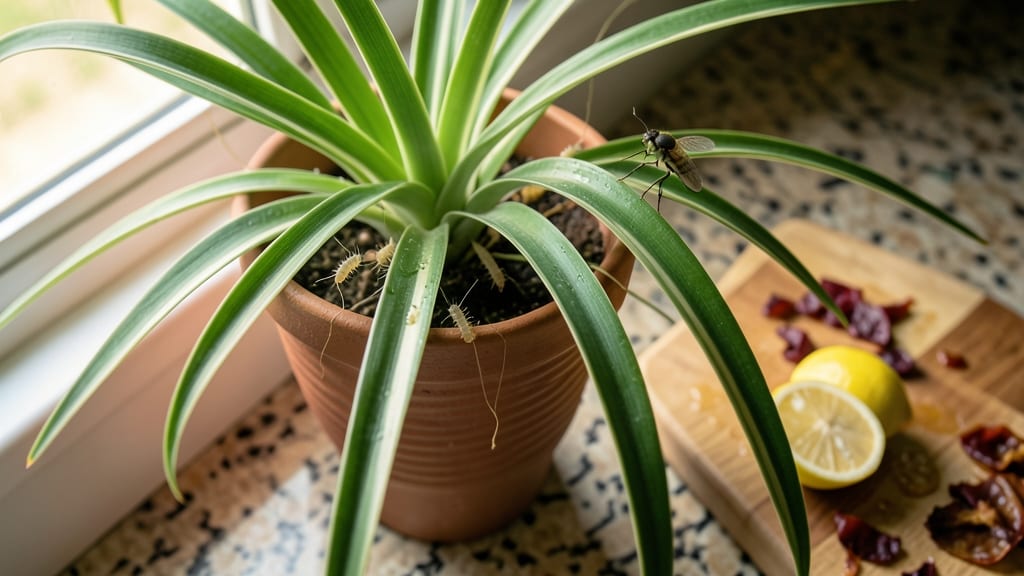
Tired of fruit flies ruining your kitchen or garden? These 10 carnivorous and insect-repelling plants naturally eliminate fruit flies without toxic sprays, making them perfect for eco-conscious gardeners and indoor plant lovers.
Venus Flytrap for Fruit Fly Traps
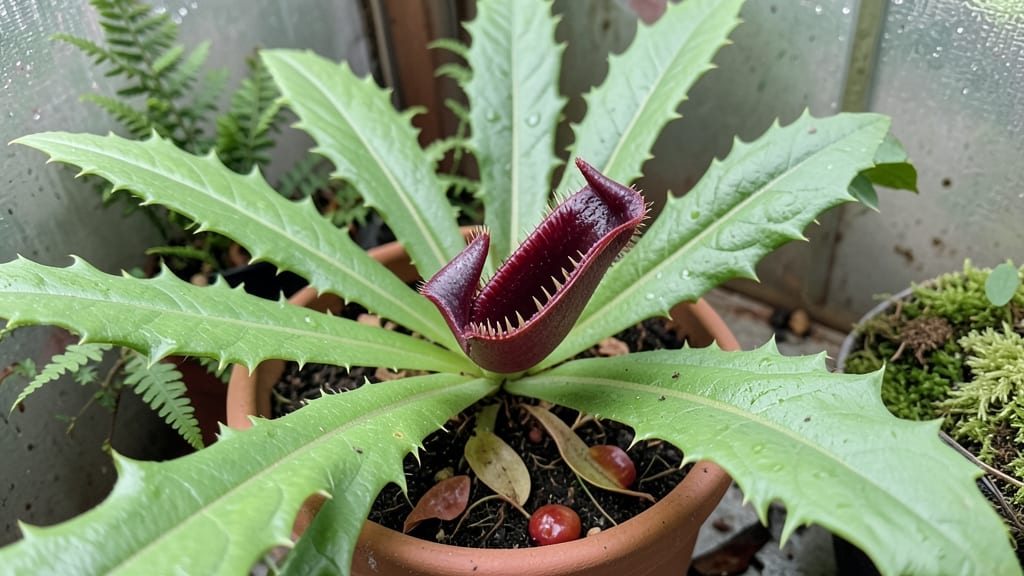
If you’ve ever watched a Venus flytrap snap shut on an unsuspecting insect, you already know it’s nature’s most dramatic pest controller. This carnivorous plant isn’t just a conversation piece—it’s a fruit fly assassin, perfect for terrariums, greenhouse corners, or even small containers near fruit bowls where flies congregate.
To maximize its fly-catching potential, keep the soil constantly moist (but never waterlogged) and place it in bright, indirect light—think 4-6 hours of sun daily. The plant’s red-tipped leaves trigger its snapping reflex when flies brush against tiny hairs, making it a hands-off solution for persistent fruit fly hotspots. Just avoid overfeeding—one fly per trap every few weeks keeps it healthy and hungry.
Greenhouse enthusiasts and terrarium hobbyists will love this low-maintenance predator, as it thrives in humid, controlled environments where flies are most active. 🌱
Pitcher Plants Attracting Fruit Flies
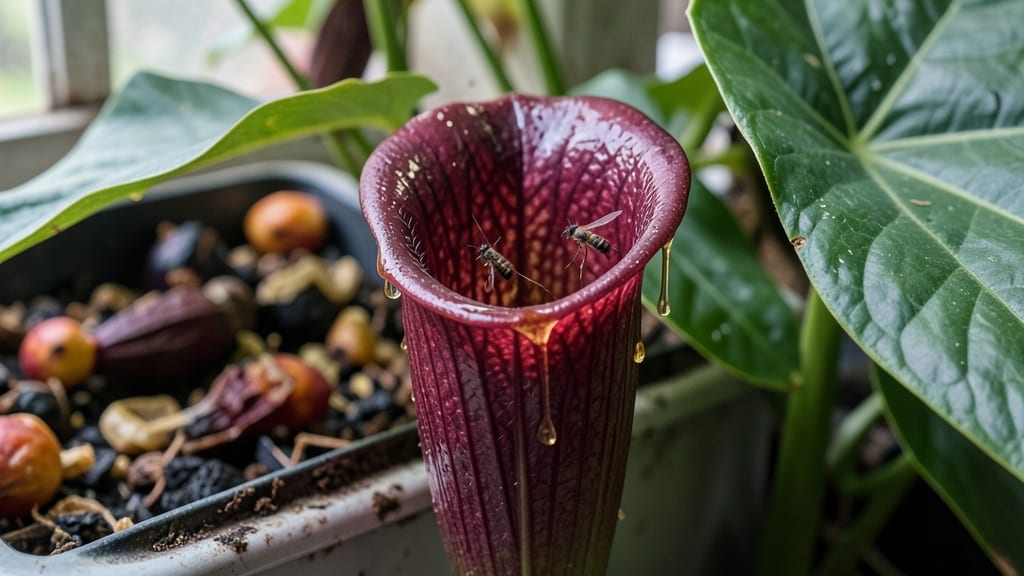
If your kitchen or compost bin is a fruit fly magnet, pitcher plants are your silent, liquid-filled allies. These tropical carnivores produce irresistible sweet nectar that lures flies into their slippery pitchers—where digestion begins. Unlike the snap-trap of Venus flytraps, pitcher plants rely on deception, making them a stealthy solution for persistent fly problems.
For best results, place them in hanging baskets near trouble spots like fruit bowls or compost bins. They thrive in bright, indirect light and need consistently moist, acidic soil (think peat moss or sphagnum). Since they’re passive hunters, you won’t even see the action—just fewer flies over time. These plants also add a striking, exotic look to your space.
Perfect for urban gardeners with limited space or anyone tired of chemical sprays, pitcher plants turn pest control into a low-maintenance, high-impact gardening hack. 🌿
Carnivorous Sundews Trap Fruit Flies
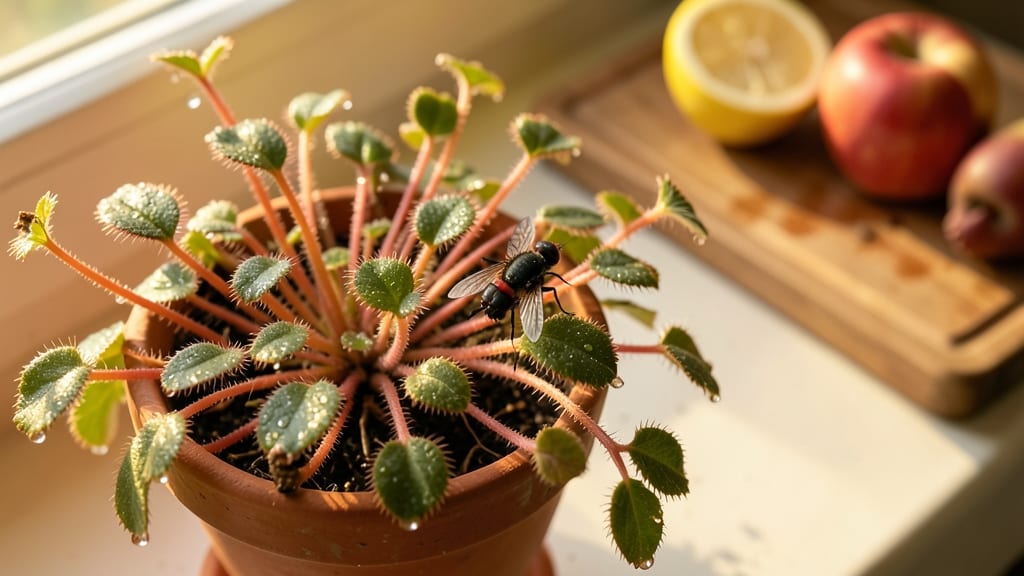
If you’ve ever watched a fruit fly land on your kitchen counter and wondered how to stop them naturally, sundews are your secret weapon. These carnivorous plants use sticky, dew-like glands to trap insects on contact—including fruit flies—making them perfect for windowsills or near fruit storage where flies linger.
Sundews thrive in bright, indirect light and need consistently moist soil (think of them as tiny, sticky bog plants). Place them near problem areas, and their leaves will glisten with dew-like droplets that ensnare flies instantly. They’re low-maintenance and add a unique, ethereal touch to shelves or terrariums.
Urban gardeners and apartment dwellers will love sundews—they’re compact, visually striking, and require no chemicals. Just remember to mist them regularly to keep those glands sticky and effective. 🌟
Herbs Like Basil Repel Fruit Flies
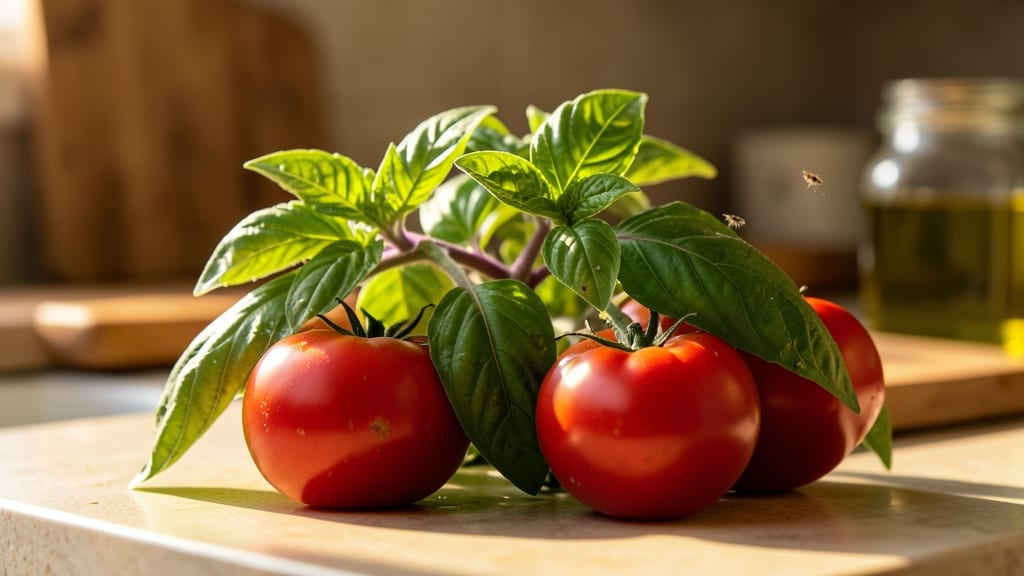
If you’ve ever swatted at fruit flies hovering near your ripe tomatoes or kitchen counter, you’ll love how basil’s citrusy aroma acts as a natural disruptor to their mating signals—no traps or sprays required. This easy-to-grow herb doesn’t just repel flies; it also enhances your cooking while keeping your windowsill pest-free.
Plant basil in well-draining containers near fruit bowls or in your herb garden, ensuring it gets 6 hours of sun daily. The key is its anise-like scent, which confuses fruit flies’ ability to locate food sources. For extra protection, crush a few leaves occasionally to release more of the repellent oils. This method works year-round, even indoors.
Urban gardeners and beginners will appreciate how low-maintenance basil is—just water when the top inch of soil feels dry. It’s a win-win for both your garden and your pantry. 🌿
Citrus Peels as Natural Fly Repellent
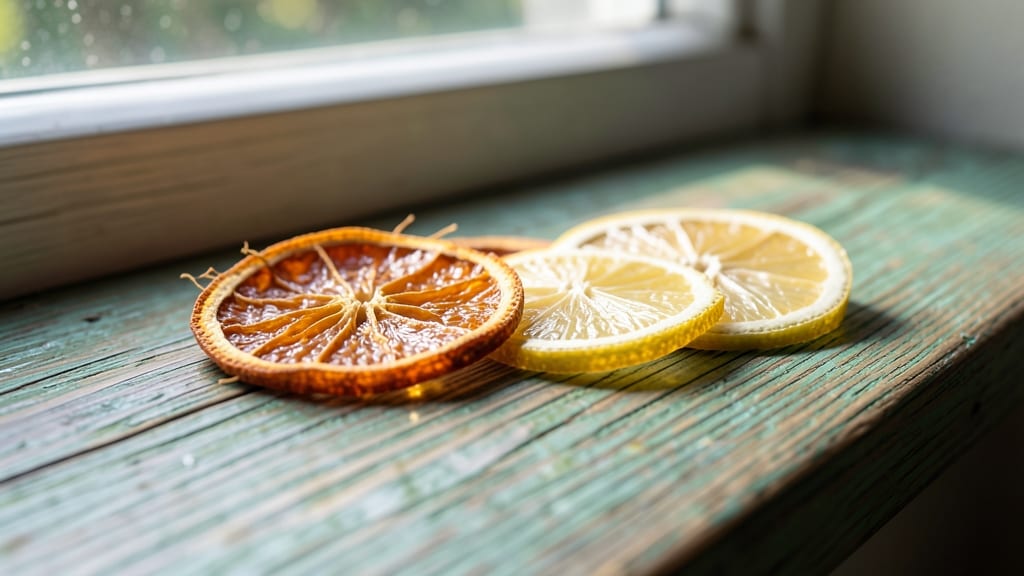
Skip the sprays and try this zero-effort trick: dried citrus peels naturally repel fruit flies by releasing limonene, a compound flies actively avoid. Unlike active predators or sticky traps, this method works passively—no watering, no feeding, just place and forget.
Simply dry orange, lemon, or grapefruit peels in the sun for 2–3 days until crisp, then scatter them near compost bins, fruit storage areas, or kitchen counters. Replace every 2–3 weeks or when they lose their bright color. The scent also freshens air while keeping flies away from your produce.
This is the perfect solution for urban gardeners, apartment dwellers, or anyone without space for carnivorous plants. It’s chemical-free, cost-effective, and works where flies are most persistent—no hunting required! 🌱
Butterfly Weed for Outdoor Fruit Fly Control
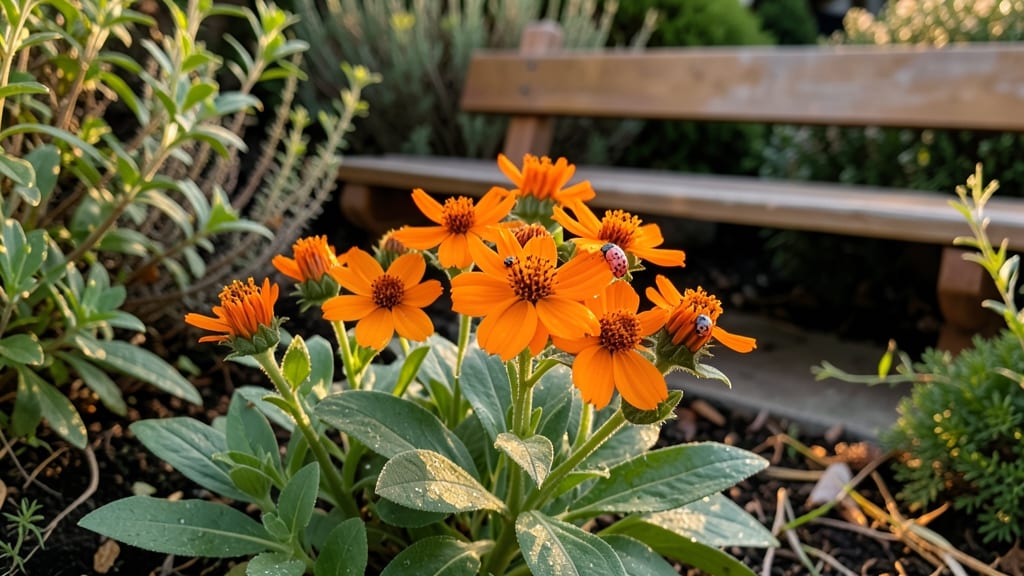
If you’re battling fruit flies in your outdoor spaces, butterfly weed (Asclepias tuberosa) isn’t just a stunning native perennial—it’s a secret weapon. Its bright orange blooms act like a neon "help wanted" sign for ladybugs, which devour fruit fly larvae before they become a nuisance.
Plant butterfly weed in full sun (at least 6 hours daily) and well-draining soil, where it thrives in borders, slopes, or even patio pots. The flowers bloom from late spring to early fall, providing continuous habitat for beneficial insects. For best results, pair it with other pollinator-friendly plants like coneflowers or black-eyed Susans to create a fly-free ecosystem.
This low-maintenance beauty is perfect for urban gardeners or anyone with sunny outdoor areas—no chemicals, just natural pest control. 🌻
Rosemary Plants Deter Fruit Flies
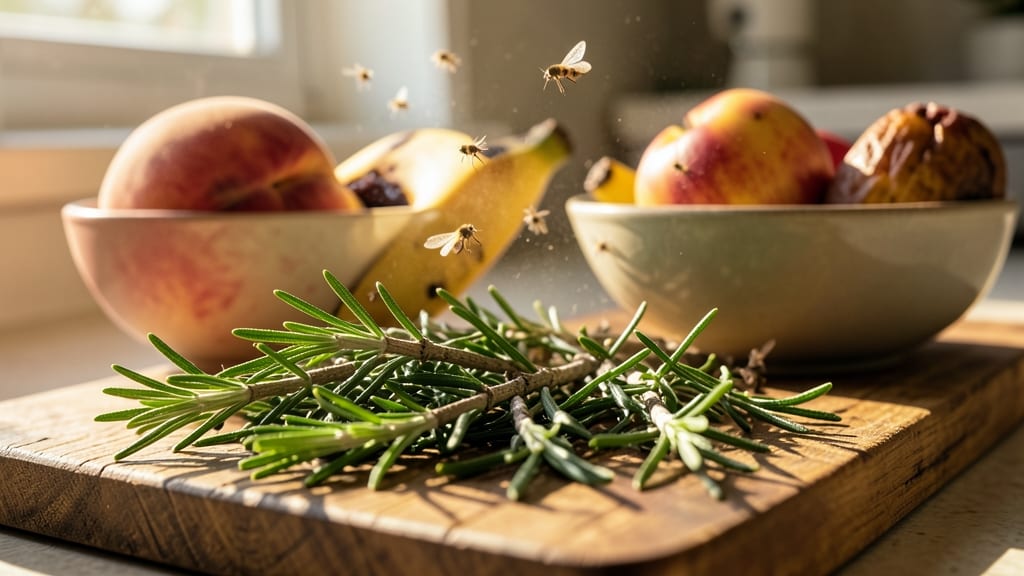
If you’ve ever battled fruit flies swarming around overripe produce or fruit trees, rosemary might be your secret weapon. Its intense, woody aroma doesn’t just mask unpleasant odors—it actively disrupts fruit flies’ ability to detect food sources, making it a passive yet powerful deterrent.
This hardy perennial thrives in full sun to partial shade and requires minimal care—just well-draining soil and occasional pruning to encourage bushier growth. Hang rosemary near fruit trees, compost bins, or kitchen gardens where flies congregate, or tuck pots into windowsills for indoor protection. Unlike carnivorous plants, rosemary won’t trap flies but will keep them away with its natural fragrance.
Perfect for herb gardeners, container growers, and busy homeowners, rosemary’s dual role as a culinary staple and fly repellent makes it a no-brainer addition. Plus, its drought tolerance means less work for you. 💚
Carnivorous Bladderwort for Aquatic Fly Control
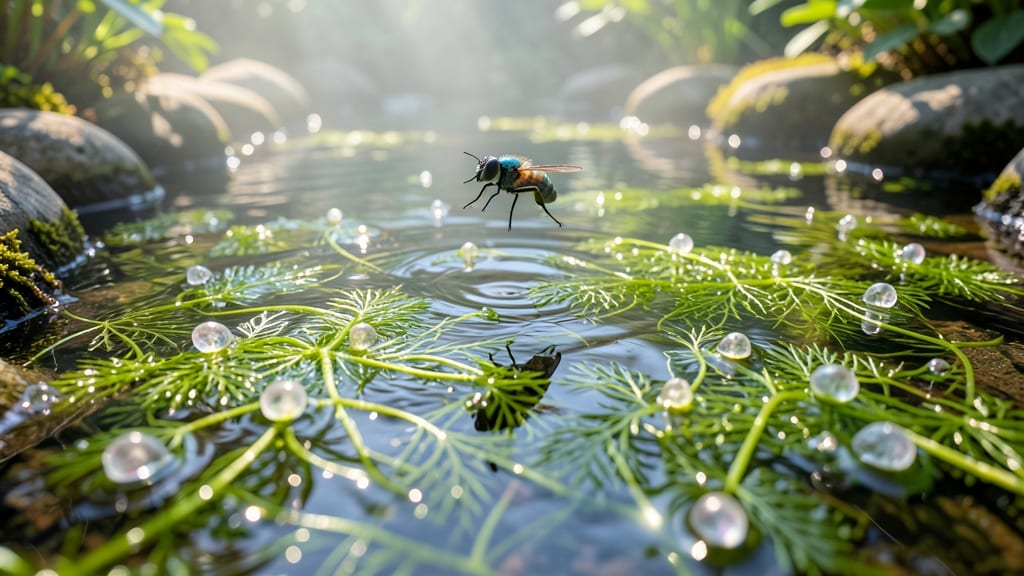
If your fruit flies seem to love water sources as much as you do, bladderwort is the stealthy solution you need. This aquatic carnivore thrives in shallow water, where its tiny, bladder-like traps snap shut on unsuspecting flies that land on the surface—making it perfect for small ponds, indoor water gardens, or even a decorative bowl near fruit storage.
Bladderwort grows best in still or slow-moving water with full sun to partial shade, and it multiplies quickly through runners. Unlike other carnivorous plants, it doesn’t need acidic soil—just clean, oxygenated water. Place it near areas where fruit flies congregate, like a kitchen sink herb garden or a patio fountain, for a natural, chemical-free pest control system.
This plant is especially great for urban gardeners with limited space or those who want a low-maintenance way to keep water areas fly-free. Plus, its unique underwater traps add a fascinating ecological twist to your garden. 💚
Lavender Bushes Repel Flying Pests
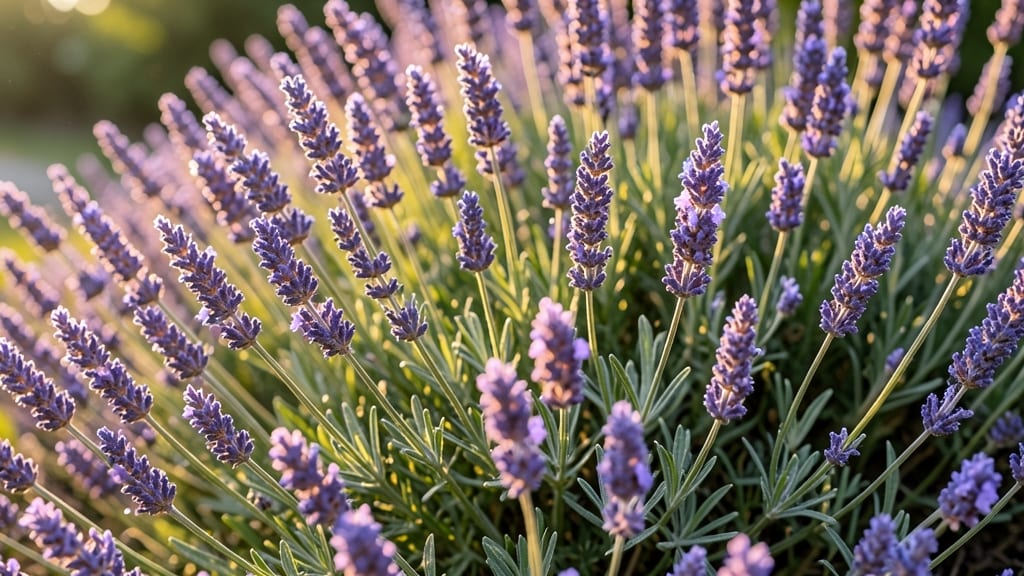
If you love hosting outdoor gatherings but hate battling fruit flies, lavender bushes might be your new best friend. Their fragrant purple blooms don’t just smell amazing—they release linalool, a compound that naturally repels flying pests like fruit flies, wasps, and even mosquitoes. This makes them ideal for patio planters or near dining areas where flies are most annoying.
Plant French lavender or English lavender in well-draining soil and give them full sun (6+ hours daily) for the strongest scent and pest-repelling power. Prune lightly after blooming to encourage bushier growth, and avoid overwatering—these drought-tolerant plants thrive with minimal care. The best part? Their beauty doubles as a functional pest barrier, so you’ll enjoy both aesthetics and fly-free air.
Urban gardeners and patio hosts will love lavender’s dual-purpose charm—it’s low-maintenance, long-blooming, and works year-round in many climates. Just place a few pots near your outdoor seating, and say goodbye to buzzing nuisances. 🌻
Houseplants Like Spider Plants Trap Flies

If you’ve ever battled fruit flies in your kitchen or pantry, a spider plant might be your quietest ally. Unlike aggressive carnivores, these hardy houseplants use their long, arching leaves to create an unintentional fly trap—fruit fly larvae get stuck in the crevices, while the plant’s air-purifying qualities keep your space fresh.
Place a spider plant near fruit storage areas or windowsills where flies linger. Its fast-growing vines produce new shoots that naturally extend the trapping surface, and it thrives in bright, indirect light with minimal fuss. The bonus? It’s pet-safe and nearly indestructible, making it perfect for busy households or beginners.
For urban gardeners or those with limited space, this low-maintenance plant offers a double benefit: natural pest control and cleaner air. 🌱