
Plants
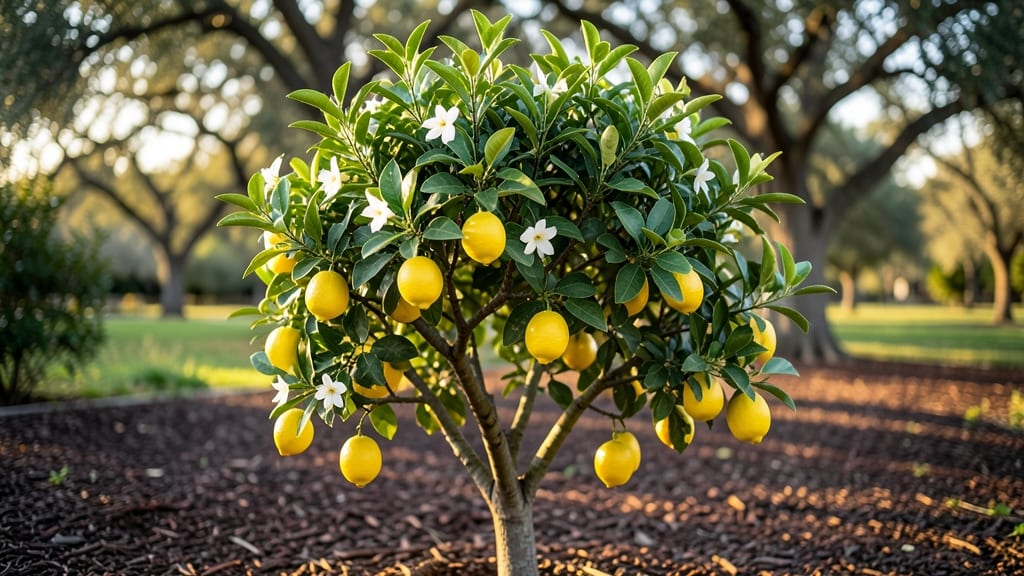
Growing lemon-like fruit with sweet, bite-free flavor is easier than you think—no more wincing through that sharp citrus kick. 🌿 I spent years hunting for the perfect variety, and Meyer lemons became my go-to: their honeyed taste and cold-hardy nature make them a game-changer for home gardeners.
The secret lies in mimicking their Mediterranean homeland: 6+ hours of sunlight daily, well-draining soil with a slightly acidic pH (6.0-7.0), and winter temperatures that stay above 20°F. Even in colder zones, container growing lets you bring them indoors when frost threatens.
By summer's end, you'll be harvesting bright yellow fruits that taste like dessert—no bitterness, just pure citrusy sweetness. The first harvest is the most exciting part, but consistent care keeps them producing for years. Works for patios, greenhouses, or sunny backyards. Let's get those trees thriving!
📚 In This Guide
- What you need
- Instructions
- Tips and common mistakes
- Wrapping up and next steps
What you need
- ● Seedlings or cuttings: Citrus × citrofortunella (e.g., "Calamondin" or "Kumquat" hybrids) or Fortunella margarita (kumquat). (3–5 plants for optimal yield)
- ● Well-draining potting mix: Cactus/succulent blend or a mix of 50% peat moss, 30% perlite, 20% sand. (1–2 bags, depending on pot size)
- ● Containers: 5–7 gallon pots with drainage holes (or a raised bed in warm climates). (1 per plant)
- ● Fertilizer: Citrus-specific fertilizer (e.g., Miracle-Gro Citrus Food) or a balanced 10-10-10 NPK. (1–2 applications per growing season)
- ○ Mulch: Wood chips or straw to retain moisture and regulate soil temp. (Optional but recommended)
- ● Pruning shears: Sharp, sterilized shears for trimming. (1 pair)
- ● Watering can or hose: With a gentle spray nozzle. (1)
- ○ pH tester: To ensure soil pH is 6.0–7.0. (Optional but helpful)
- ● Sunlight access: 6–8 hours of direct sun daily (or grow lights for indoor setups).
- ● Climate control: Protection from frost (below 30°F/-1°C) and strong winds.
- ● 🌡️ Warmth matters: These plants thrive in USDA Zones 9–11. Use a greenhouse or move pots indoors in winter if you live in colder areas!
- ● ✨ Pollination hack: Gently shake branches or use a small brush to transfer pollen if fruits aren’t setting.
- ● 🚫 Avoid overwatering: Let the top 1–2 inches of soil dry out between waterings to prevent root rot.
Step-by-step instructions for growing a sweet citrus mimic
Here's how to cultivate a vibrant, lemon-like fruit with all the zesty flavor and none of the bitterness—using proven horticultural techniques.
🌱 Step 1: Select and Prepare the Right Variety
Choose a Meyer lemon or Yuzu for your project—they naturally produce sweeter, less acidic fruit than traditional lemons. These varieties thrive in containers, making them perfect for patios or sunny windowsills. Start with a 4-6 inch potted plant from a nursery, ensuring the soil is moist but not soggy before bringing it home.
Remove the plant from its nursery pot and inspect the roots. If you see any that are dark or mushy, trim them with clean scissors. This prevents root rot before it starts. Repot into a 6-8 inch container with well-draining potting mix—I like to blend equal parts cactus mix and perlite for extra aeration.
☀️ Step 2: Position for Maximum Sunlight and Warmth
Place your citrus mimic in a location that receives 6-8 hours of direct sunlight daily. A south-facing window or a sunny patio works best. If you're growing indoors, supplement with a grow light positioned 12-18 inches above the plant for 12-14 hours per day. Without enough light, the leaves will turn pale and the fruit will taste bland.
Citrus plants love warmth—keep temperatures between 65-80°F during the day and 55-65°F at night. If your home runs cooler, place a heating mat under the pot to maintain root warmth. Watch for brown leaf tips, which signal dry air or low humidity. A pebble tray with water beneath the pot helps maintain moisture in the air.
💧 Step 3: Water and Fertilize for Sweet, Juicy Fruit
Water your plant once a week, allowing the top 2-3 inches of soil to dry out completely between waterings. Overwatering is the fastest way to kill a citrus plant—roots need oxygen, not a swamp. Stick your finger in the soil: if it feels dry 1 inch down, it’s time to water. Pour water slowly until it drains from the bottom of the pot.
Feed your plant with a balanced citrus fertilizer every 4-6 weeks during the growing season (spring through fall). I use a 10-10-10 formula diluted to half strength to avoid burning the roots. Stop fertilizing in winter, as the plant enters dormancy. You’ll notice new growth and buds forming within 2-3 weeks of consistent feeding.
✂️ Step 4: Prune and Encourage Fruit Production
Prune your plant in early spring before new growth begins. Remove any dead, yellow, or crossing branches with clean, sharp pruners. Cut just above a leaf node to encourage bushier growth. This step is crucial—it improves airflow and reduces the risk of fungal diseases that can ruin your fruit.
To boost fruit production, pinch off any flowers that appear in the first year. This might seem counterintuitive, but it redirects the plant’s energy into stronger roots and stems. After the first year, let the flowers stay—you’ll see small green fruits forming in 3-4 months. Harvest when the fruit is fully colored but still slightly firm—this ensures the sweetest flavor.
Tips & tricks for perfect sweet citrus mimics
These insider secrets will help you grow vibrant, flavorful citrus mimics that taste like sunshine—without the bitterness.
Variety Selection Matters: While Meyer lemons and Yuzu are ideal, don't overlook Calamondin or Kumquat varieties for even sweeter results. These alternatives thrive in containers too and produce fruit with minimal bitterness. I've found Calamondin's small size makes it perfect for indoor growing, while Kumquats offer a unique tangy-sweet balance that works beautifully in desserts.
Lighting Strategy: The 6-8 hours of direct sunlight requirement is non-negotiable for flavor development, but here's the trick: rotate your plant quarter-turn daily to ensure even growth. This prevents lopsided plants and ensures all leaves get equal light exposure. For indoor growers, position your grow light 12-14 inches above and adjust height as the plant grows—closer equals more intensity but can scorch leaves if too close.
Temperature Management: Maintaining that 65-80°F daytime range is crucial, but don't stop at ambient temperature. Place your pot on a thermal mat during cooler months to keep roots warm—citrus roots are particularly sensitive to cold. I've seen plants thrive in 55°F nights when properly insulated, but any colder and you risk stunted growth or even death. Watch for leaf curl as an early warning sign of temperature stress.
Fertilizer Timing: The 4-6 week feeding schedule works wonders, but here's what nobody tells you: flush the soil with plain water once a month to prevent salt buildup from fertilizers. I use a 10-10-10 formula at half strength because citrus plants are sensitive to over-fertilization. You'll know you're doing it right when you see new leaves forming within 2-3 weeks—that's your plant telling you it's happy and healthy.
Pro Tips for Lemon Like Fruit
- These insider secrets will help you grow vibrant, flavorful citrus mimics that taste like sunshine—without the bitterness.
- Variety Selection Matters: While Meyer lemons and Yuzu are ideal, don't overlook Calamondin or Kumquat varieties for even sweeter results.
- Lighting Strategy: The 6-8 hours of direct sunlight requirement is non-negotiable for flavor development, but here's the trick: rotate your plant quarter-turn daily to ensure even growth.
Frequently asked questions
Got questions about growing and enjoying lemon-like fruits without the bitter kick? Here are some of the most common ones—plus straightforward answers to help you succeed!
What are the best lemon-like fruits to grow for no bitter aftertaste?
Look for Citrus × limonia (like the Meyer lemon) or sweeter hybrids like Yuzu or Kumquat. These varieties are bred to be less acidic and more flavorful. Avoid standard lemons—they’re tart and bitter!
How long does it take for a lemon-like fruit tree to bear fruit?
Patience is key! Dwarf varieties (like Meyer lemons) may produce fruit in 2–3 years, while standard trees take 4–6 years. Keep the plant healthy with full sun, well-draining soil, and regular watering to speed up the process.
Can I grow lemon-like fruits in containers? If so, what size pot do I need?
Dwarf varieties thrive in containers. Use a pot at least 12–15 inches in diameter with drainage holes. Ensure it’s made of breathable material (like terracotta) to prevent root rot. Move pots indoors during winter if temps drop below 40°F (4°C).
How do I know when lemon-like fruits are ripe and ready to pick?
Ripeness varies by variety. For Meyer lemons, pick when the skin turns yellow-green and yields slightly to gentle pressure. Kumquats are ready when they’re firm and deep orange. Avoid waiting too long—they won’t get sweeter!
Why are my lemon-like fruits turning bitter, even though I’m using a non-bitter variety?
Bitter flavors can sneak in due to over-ripening, poor soil drainage, or nutrient deficiencies (like lack of zinc). Check your plant’s watering habits—too much or too little can stress it. Test soil pH (ideal: 6.0–7.0) and amend with compost if needed.
Wrapping up and next steps
Growing a lemon-like fruit with that zesty punch—without the bitter kick—is totally doable with the right care! Whether you’re drawn to the tangy flavor of yuzu, kumquat, or calamansi, these citrusy gems are perfect for home gardens.
Remember: patience, proper sunlight, and consistent watering are your secret weapons. 🌱
Ready to take the next step? Start with a single plant, experiment with flavors, and soon you’ll be harvesting your own sweet-tart citrus treasures. Share your progress, tweak your technique, and enjoy the rewarding journey of growing your own fruit paradise!