
Picking
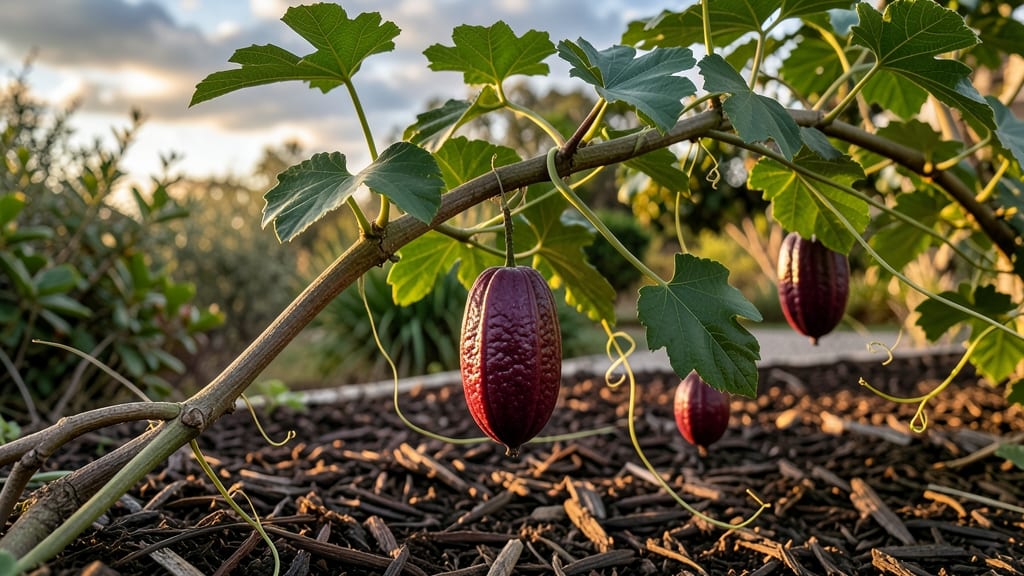
When the ripe passion fruit color turns a deep golden yellow 🍈, that’s your cue to harvest—because the color shift isn’t just about looks, it’s about flavor.
Ever picked a passion fruit too early—only to discover it’s still tart and underripe? The color of ripe passion fruit isn’t just a golden hue; it’s a precise visual cue that signals peak sweetness and flavor. Mastering these color shifts can transform your harvest from disappointing to delicious.
But here’s the catch: not all passion fruits ripen the same way. Purple varieties turn deep purple or maroon, while yellow types glow like sunshine. And if you’re growing hybrids, the color might even blend into a rich orange or red.
Knowing these shades—and what they really mean—is the difference between a perfect fruit and a mealy mess.
Below, I’ll break down the exact colors to look for, how to test ripeness beyond just appearance, and why some passion fruits stay stubbornly green (plus how to fix that). By the end, you’ll never guess wrong again.


The exact color stages of ripe passion fruit (green to golden yellow)
Passion fruit ripeness is one of the most fascinating transformations in the garden—where green becomes golden through a precise chlorophyll-to-carotenoid shift. Unlike many fruits, passion fruit doesn’t ripen after picking, so nailing the color cues means the difference between tart disappointment and bursting sweetness.
The journey starts with a deep emerald-green hue that gradually evolves into sun-kissed yellows, oranges, or even purples, depending on the variety.
Understanding these color stages isn’t just about aesthetics—it’s a biological signal that the fruit’s sugars have peaked and its acidity has mellowed.
For example, the yellow passion fruit (Passiflora edulis) turns from lime-green to a bright golden yellow, while the purple passion fruit (Passiflora edulis f. flavicarpa) develops a deep maroon blush over its yellow base. Even subtle shade variations—like a peachy tint—can indicate overripeness.
Here’s the visual roadmap of passion fruit ripening, broken down by stage and variety, so you never miss peak harvest time.
| Stage | Yellow Passion Fruit (Passiflora edulis) | Purple Passion Fruit (Passiflora edulis f. flavicarpa) | Hybrid Varieties (e.g., 'Panama Gold') |
|---|---|---|---|
| Unripe | Deep emerald green, glossy skin | Uniform dark green, slightly duller | Green with light purple streaks |
| Early Ripening | Lime-green fading to pale yellow patches | Green with yellow blotches near stem | Green turning golden yellow at base |
| Peak Ripeness | Vibrant golden yellow, uniform color | Yellow base with deep purple/maroon blush | Bright yellow-orange, no green |
| Overripe | Dull yellow with soft spots | Purple darkens, skin wrinkles | Orange-red, mushy texture |
The yellow passion fruit is the easiest to spot when ripe—its golden yellow color is unmistakable, like a sun-bleached lemon. But here’s the trick: the transition from green to yellow happens gradually, often starting at the stem end.
If you see uneven coloring—like green patches lingering—wait a few more days. The fruit’s skin texture also softens slightly, almost like a plump peach.
For purple passion fruit, the ripening process is more dramatic. The yellow base first appears near the stem attachment, then spreads while the purple blush deepens into a rich maroon. Pro tip: If the purple color covers more than 50% of the fruit, it’s likely overripe.
Hybrid varieties, like 'Panama Gold', often show a peachy-orange hue at peak ripeness—think of a cross between a mango and a tangerine.
Light plays a critical role in these color shifts. Passion fruit vines need full sun (6+ hours daily) to trigger the chlorophyll breakdown that reveals the carotenoids and anthocyanins responsible for yellow, orange, and purple hues.
If your fruit stays green longer, it might be due to shade stress or nutrient deficiencies. In my Zone 10 garden, I’ve found that morning sunlight is key—it gives the fruit enough energy to ripen evenly.
Don’t rely solely on color, though. A ripe passion fruit should also yield slightly when pressed (like a soft tennis ball) and separate easily from the vine when gently twisted.
If the stem pulls away cleanly, that’s your cue to harvest. And if you catch a sweet, floral aroma near the vine, you’ve hit the sweet spot.
One common mistake is picking fruit based on size alone. A passion fruit can be large but still green inside if it didn’t get enough sunlight or water. Always check the color first, then confirm with the touch and scent tests.
In my experience, the first harvest of the season is often the trickiest—these early fruits tend to ripen
Why passion fruit color changes matter (and how to test ripeness beyond color)
The color transformation in passion fruit isn’t just about aesthetics—it’s a complex biological process that signals peak flavor. As the fruit matures, chlorophyll breaks down while carotenoids (pigments like beta-carotene) take over, shifting hues from green to vibrant yellow, orange, or purple.
This shift isn’t just visual; it’s your cue that the fruit’s sugar content has maximized and acidity has softened.
But here’s the catch: inconsistent sunlight or humidity fluctuations can throw off this natural progression. A passion fruit might turn yellow prematurely due to sunburn or stay green if shaded too long. That’s why relying solely on color can lead to underripe (tart) or overripe (mushy) fruit.
I’ve learned the hard way—my first harvest had a few fruits that looked perfect but tasted like lemons!
⚠️ callout warning
⚠️ Warning: Color Alone Isn’t Enough!
Yellow passion fruit may still be underripe if:
- Skin feels hard (not yielding slightly)
- Stem doesn’t twist off cleanly
- No sweet aroma near the fruit Pro Tip: Test 3 ripe-looking fruits—some may be perfect, others not!
To go beyond color, start with a gentle touch test. A ripe passion fruit’s skin should yield slightly under finger pressure—like pressing a ripe avocado. If it’s rock-hard, it’s not ready; if it’s mushy, it’s past its prime.
I use my thumb to press near the stem; the right amount of give is key. This method works even for purple varieties, where color isn’t as obvious.
Next, check the stem separation. Twist the fruit gently at the stem—if it snaps cleanly with a slight resistance, it’s ripe. If the stem pulls out easily or doesn’t separate, the fruit isn’t ready.
This trick saved my second harvest when a heatwave caused some fruits to turn yellow too fast. The stems that didn’t separate were still tart!
Finally, trust your nose. A ripe passion fruit emits a sweet, tropical fragrance—almost like a mix of citrus and honey. If you’re near the vine and smell nothing, the fruit isn’t ready.
Pro growers like me often sniff a few fruits before picking. In humid climates, this scent can be stronger, so don’t be fooled by overpowering aromas that might indicate spoilage.
For gardeners in partial shade or high-humidity zones, combine these tests. Color changes slower in shade, so pair yellowing with the touch and scent tests. I’ve had success using a small handheld refractometer ($20 at garden stores) to check sugar levels—aim for 12-15 Brix for peak sweetness.
It’s an investment, but it’s worth avoiding another batch of underripe fruit!