
Trees
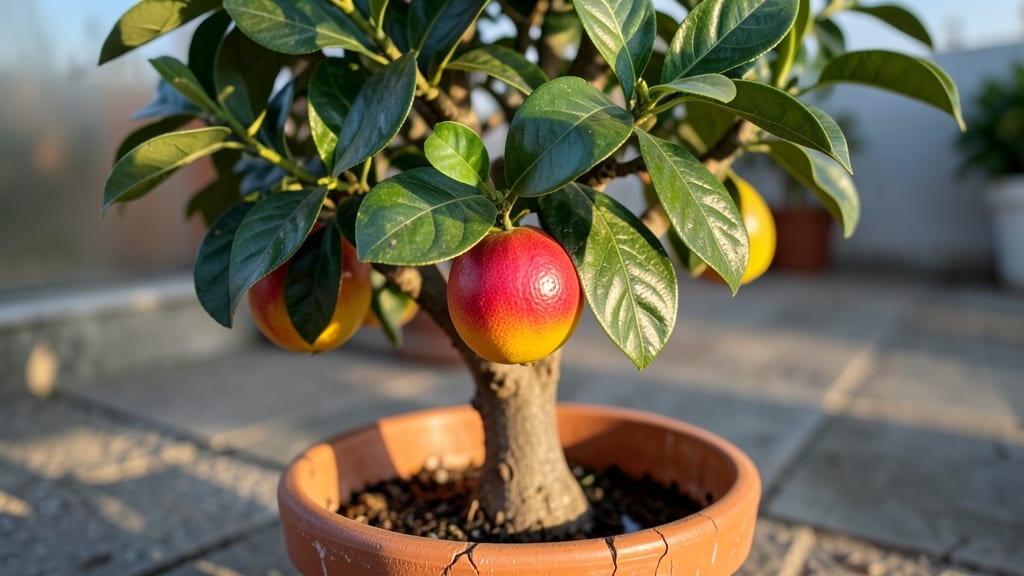
Want fruit trees that produce abundantly with minimal effort? These 10 self-fertile varieties eliminate the need for pollinators while delivering delicious harvests—ideal for small gardens, urban yards, or novice growers.
Liberty Apple Tree
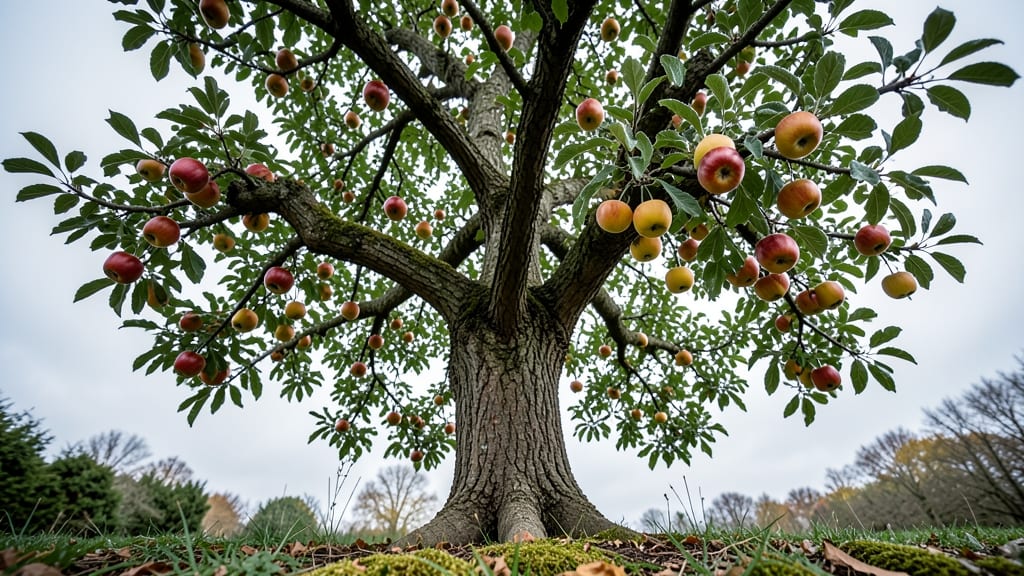
Tired of apples that need bees to set fruit? The Liberty apple tree is a game-changer for northern gardeners, thriving in USDA zones 3-8 where pollinators are scarce or unreliable. This self-fertile variety produces crisp, sweet apples without needing a second tree or buzzing helpers.
Developed by Cornell University, the Liberty is famous for its disease resistance—it shrugs off apple scab, fire blight, and cedar apple rust, common woes for growers. Plant it in full sun with well-drained soil, and it’ll reward you with bright red, firm apples perfect for fresh eating or baking. Prune lightly in late winter to maintain an open canopy for airflow.
This tree is a lifesaver for small homesteads, urban yards, or first-time fruit growers. With minimal fuss, you’ll enjoy homegrown apples year after year. 🌟
Anna White Pear Tree
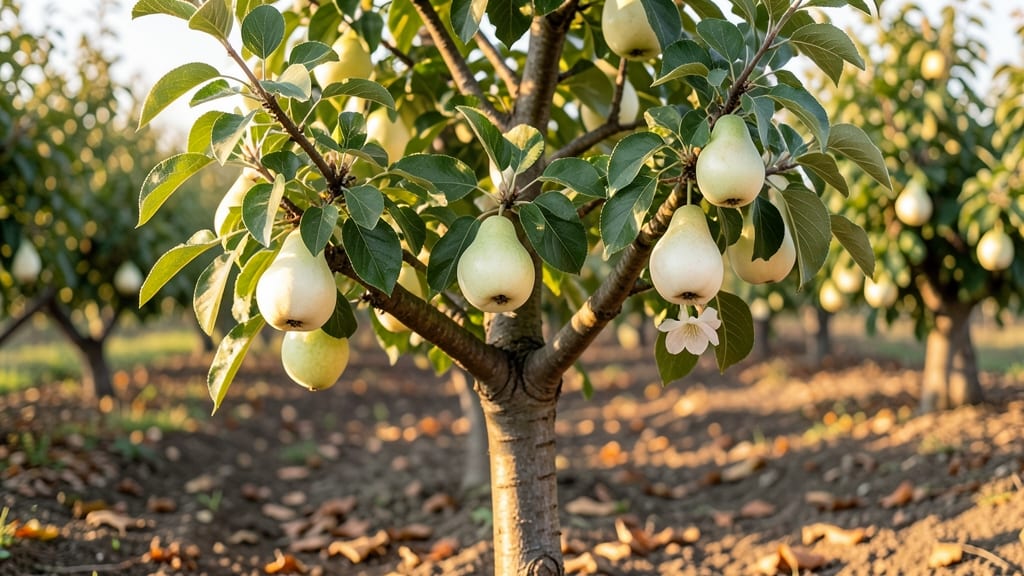
If you’ve ever dreamed of growing your own pears but lack space or pollinators, the Anna White Pear Tree is your perfect match. This self-fertile variety eliminates the need for companion trees while producing juicy, snow-white pears that taste like summer in every bite.
Reaching just 8-10 feet tall, it thrives in containers or small gardens, making it ideal for patios, balconies, or even large pots. Plant it in full sun (6+ hours daily) with well-draining soil, and enjoy minimal pruning—just remove dead branches to encourage fruit production. Pears ripen in late summer, offering a harvest window of 2-3 weeks for fresh eating or preserving.
Perfect for urban gardeners, renters, or anyone craving low-maintenance fruit, this tree delivers abundant yields with almost no fuss. 🌱
Satsuma Mandarin Tree
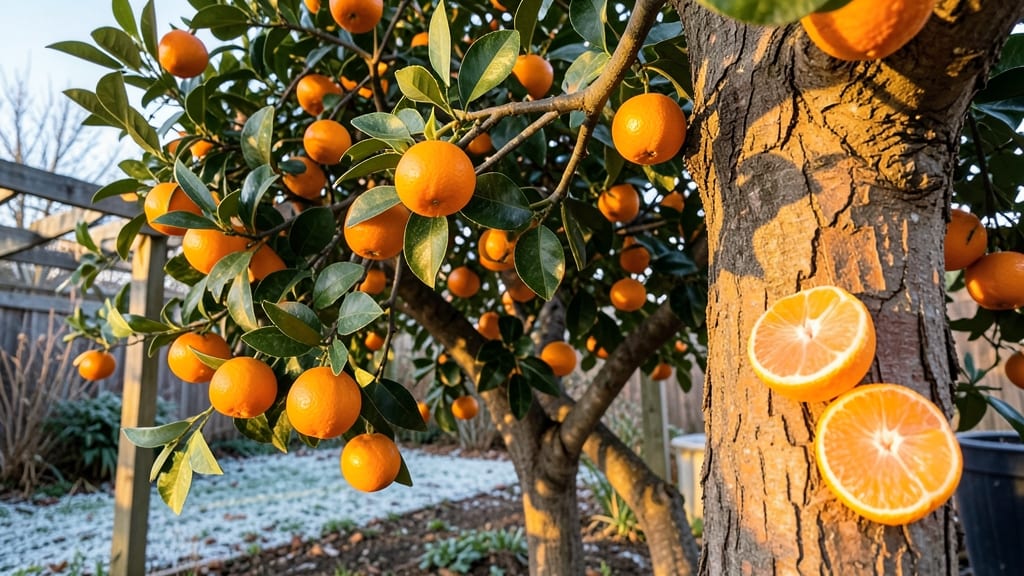
Skip the tropical greenhouse—Satsuma mandarin trees bring citrus to USDA zones 7-9, where most citrus trees refuse to grow. This cold-hardy gem produces seedless, sweet fruit that peels like a dream, making it the perfect year-round snack producer for cooler climates.
Unlike traditional citrus, Satsumas thrive in temperatures down to 15°F and can even handle light frost. Plant in full sun with well-draining soil, and watch as the tree blooms in late spring, yielding fruit by fall. The easy-to-peel skin means no messy juice stains, and the flavor rivals store-bought mandarins—just sweeter.
Gardeners in northern states or urban areas with limited space will love this low-maintenance citrus. It’s the only self-fertile citrus tree that doesn’t need pollinators or a greenhouse to succeed. 🌟
Cherokee Purple Tomato Tree
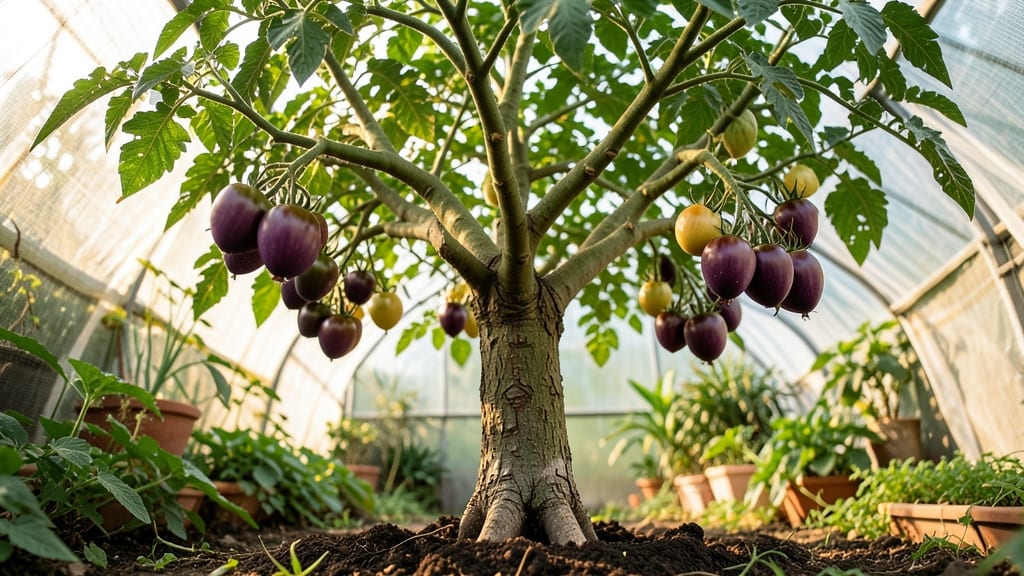
Imagine a tomato plant that grows like a small tree—producing heirloom-quality Cherokee Purple tomatoes without needing a pollinator or seasonal breaks. This isn’t a fantasy; it’s a grafted tomato tree, designed to thrive year-round in warm climates while delivering that signature deep purple, meaty fruit gardeners love.
This self-pollinating marvel is created by grafting a Cherokee Purple tomato onto a sturdy tomato tree rootstock, allowing it to grow vertically like a tree (typically 4-6 feet tall). The result? A continuous harvest of flavorful tomatoes from spring through fall—even winter in frost-free zones. For best results, plant in well-draining soil with 6+ hours of sun daily and prune regularly to encourage airflow and fruit production. 🌱
Dwarf Fig Tree
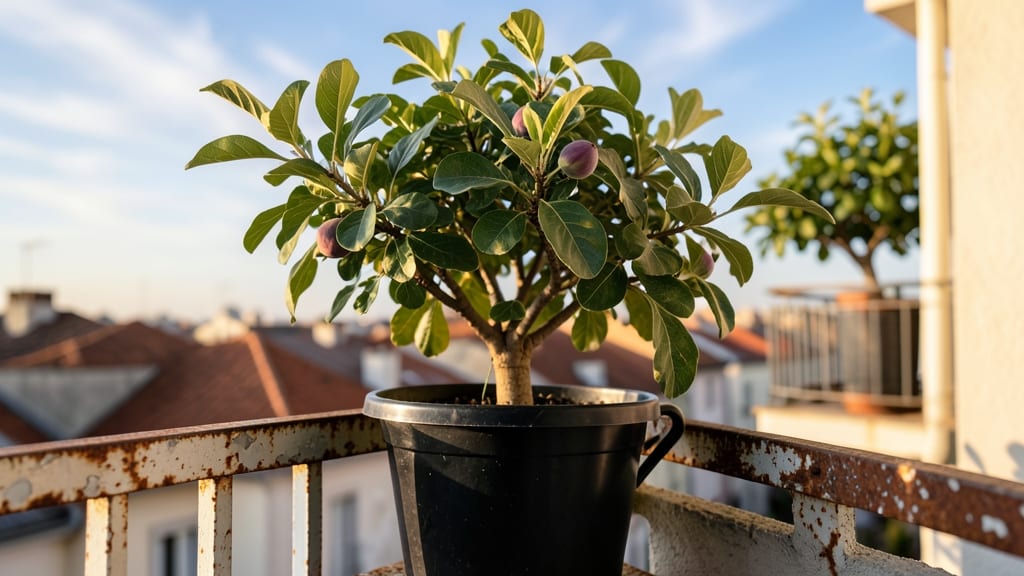
Tired of sacrificing fresh fruit for lack of space or sunlight? The dwarf fig tree proves you can grow your own sweet figs—even in a 5-gallon pot on a balcony. Unlike traditional figs, this variety thrives with just 4-6 hours of sun daily, making it ideal for patios, rooftops, or urban gardens where space is limited.
This self-fertile powerhouse produces honey-sweet figs within 1-2 years of planting, with minimal care. Simply water when the top inch of soil dries, and protect young trees from frost. Varieties like Little Miss Figgy or Chicago Hardy are cold-hardy enough for zones 5-9, while others like Brown Turkey handle heat beautifully. Prune lightly after harvest to encourage bushier growth.
Perfect for beginners or city dwellers, this tree turns even the smallest outdoor space into a fruit-producing oasis. Just imagine plucking ripe figs for snacks or desserts—no orchard required! 🌱
Golden Delicious Apple Tree
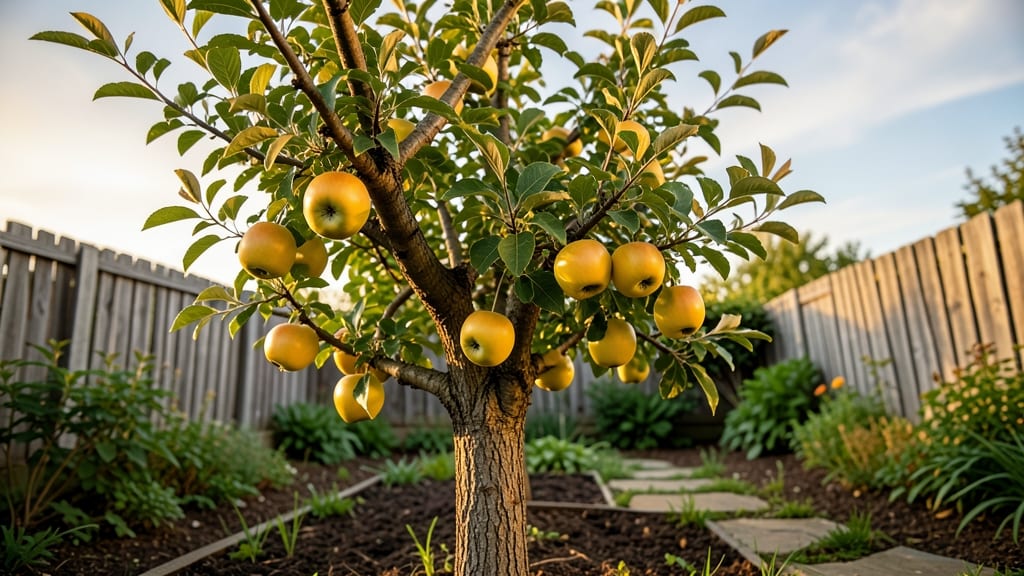
If you love classic apple flavors but lack space for a full orchard or worry about pollinators, the Golden Delicious apple tree is your perfect solution. This self-fertile variety produces sweet, aromatic fruit without needing another apple tree nearby, making it ideal for small backyards or even large containers.
Adaptable to most soil types—from sandy loam to clay—it thrives in USDA zones 4-8 and handles partial shade better than many varieties. Prune lightly in late winter to encourage airflow, and fertilize annually with compost or balanced fruit tree fertilizer for maximum yields. With proper care, you’ll enjoy golden, crisp apples perfect for fresh eating or baking.
This tree is especially great for urban gardeners or beginners who want a reliable, low-maintenance fruit tree that delivers a nostalgic harvest year after year. 🌟
Black Sapote Tree
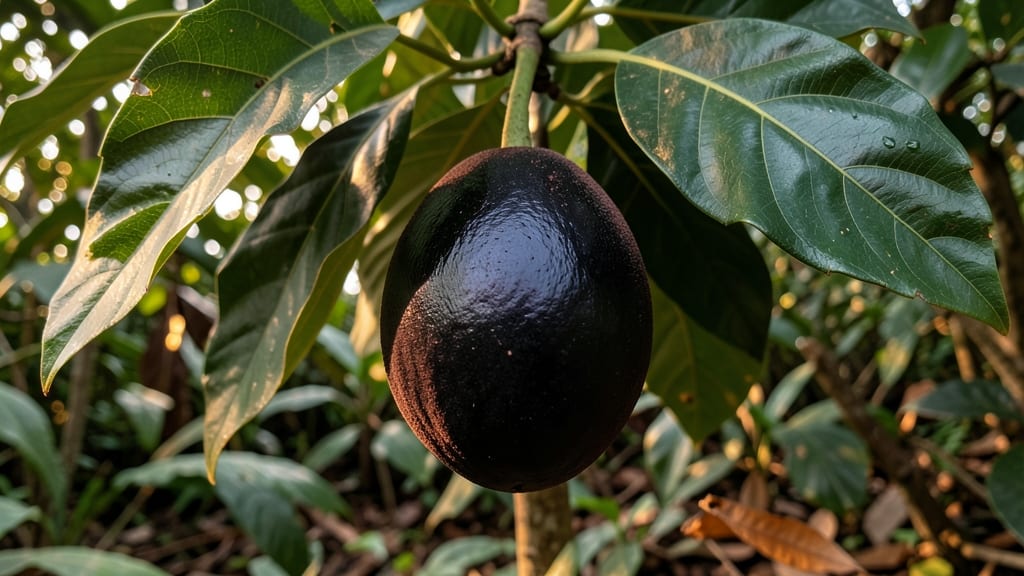
Imagine biting into a fruit that tastes like rich chocolate pudding—no cooking required! The black sapote (Diospyros digyna) delivers this unique, custard-like treat straight from your tree with almost no effort. Unlike other tropical fruits, it’s self-fertile, meaning you won’t need bees or other trees to produce fruit.
Native to Mexico and Central America, this tree thrives in USDA zones 10-11 and tolerates poor, well-drained soil better than many tropical trees. It produces dark purple, golf-ball-sized fruit that ripens to a creamy texture resembling pudding when fully ripe. For best results, plant it in full sun to partial shade and water deeply but infrequently once established.
Perfect for adventurous gardeners in warm climates, the black sapote adds a conversation-starting fruit to your harvest—plus, its glossy evergreen leaves provide year-round interest. 🌟
Taylor’s Gold Pear Tree
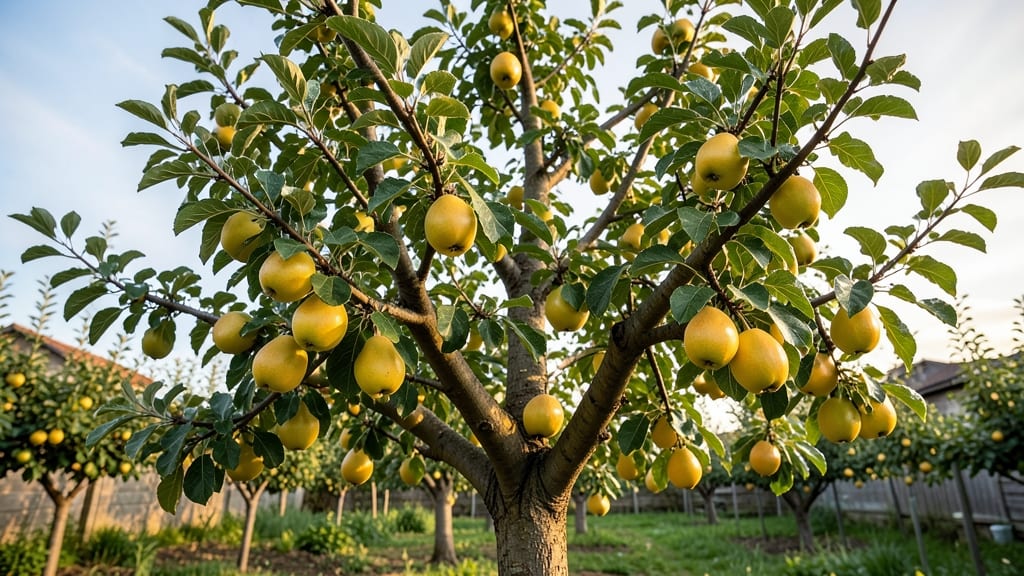
Looking for a pear tree that rewards you with sweet, firm fruit without the fuss of pollinators or heavy pruning? The Taylor’s Gold variety is your answer—this self-fertile gem thrives in backyard gardens and small orchards while staying resistant to common diseases like fire blight.
This disease-resistant pear produces golden, flavorful fruit that ripens in late summer, perfect for fresh eating or baking. Unlike many pears, it requires minimal pruning to maintain shape and health, making it ideal for gardeners who prefer low-maintenance trees. Plant it in well-drained soil with full sun exposure (6+ hours daily) for the best results.
Whether you’re a first-time fruit grower or a space-conscious gardener, Taylor’s Gold delivers reliable harvests with less effort than traditional pear varieties. 🌟
Dwarf Peach Tree
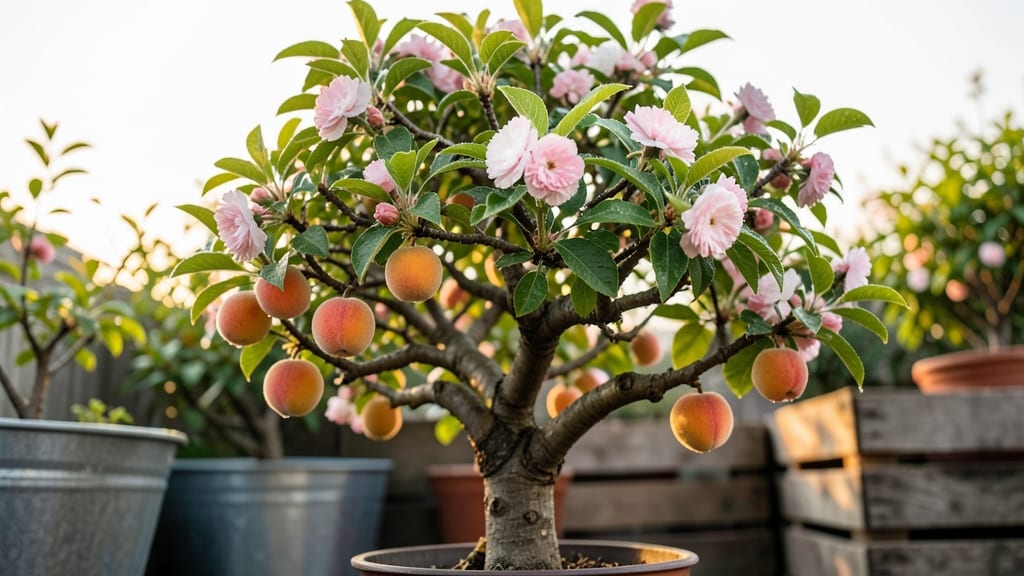
Skip the traditional peach orchard—dwarf peach trees deliver the same sweet rewards in a fraction of the space. These compact, self-fertile varieties thrive in containers or ground planting, making them perfect for urban gardens, patios, or short-season climates where full-sized peach trees struggle.
Choose varieties like Bonanza or Redhaven (dwarf versions), which produce juicy, flavorful peaches in just 3-5 feet of height. They require full sun (6-8 hours daily) and well-draining soil but tolerate heat and drought once established. Prune lightly in late winter to maintain shape and encourage airflow, reducing disease risk.
Gardeners in cooler zones (USDA 5-8) can still enjoy peaches with dwarf varieties that ripen 10-14 days earlier than standard trees. Their self-fertile nature means no need for pollinators—just fresh fruit with minimal effort! 🌻
Star Ruby Grapefruit Tree

If you’ve ever dreamed of growing your own grapefruit but lack the space for a full-sized tree, the Star Ruby grapefruit is your answer. This self-fertile citrus gem thrives in containers or ground planting, making it ideal for patios, balconies, or small yards where traditional grapefruit trees would be impractical.
Unlike its larger cousins, this variety produces deep red, juicy fruit with a sweet-tart flavor that’s perfect for fresh eating or juicing. It requires 6-8 hours of sun daily and well-draining soil, whether in a pot or planted in the ground. With consistent watering and occasional fertilizer, you’ll enjoy a bountiful harvest year after year.
Urban gardeners and small-space enthusiasts will love this low-maintenance citrus option—no pollinators needed! 🌻