I still remember the first time I dug my hands into soil as a kid in my grandmother’s garden in upstate New York—how the earth smelled after rain, how the sun warmed my shoulders as I pulled up carrots. That moment stuck with me, and now, years later, I’m here to share the joy of growing your own food, whether you’ve got a backyard plot or just a sunny windowsill. This site is my way of passing along the lessons I’ve learned: the patience it takes, the little tricks that make all the difference, and the quiet satisfaction of harvesting something you’ve nurtured yourself.
💥 Quick Answer Fruits with white inside flesh—like lychee, soursop, and certain apple varieties—deliver a clean, sweet, or tangy flavor with a delicate crunch and minimal seeds. Their striking appearance and mild taste…
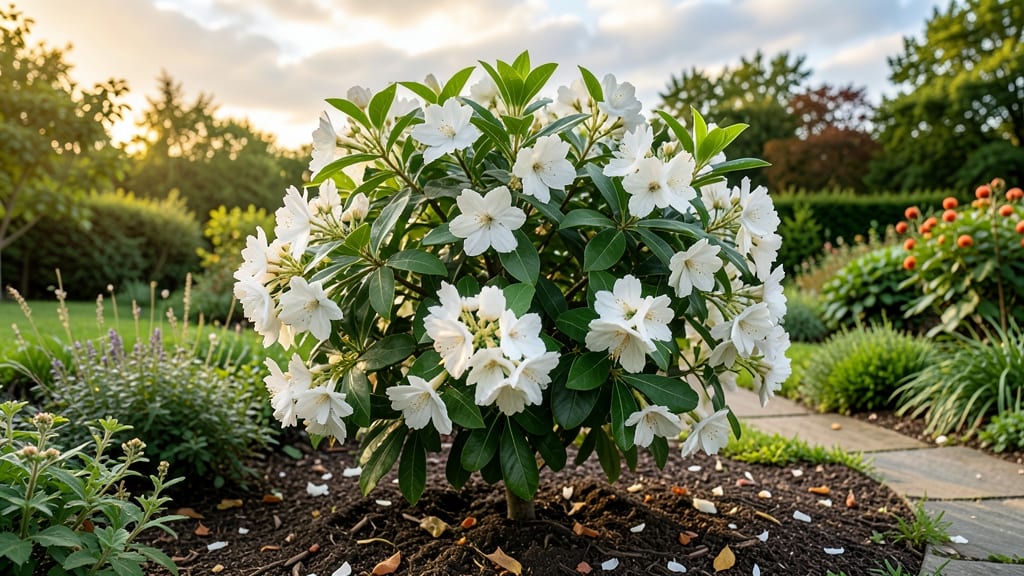
💥 Quick Answer Mock orange fruit is edible but rarely eaten because of its bland, mealy texture and tart flavor, often compared to a dry citrus with fibrous pulp. While birds and small animals enjoy it, humans typically…
Growing a fruit strawberry tree ( Arbutus unedo ) means year-round interest—glossy evergreen leaves, delicate spring flowers, and edible berries that ripen in late fall. 🌿 I’ve nurtured mine for five seasons, and the…
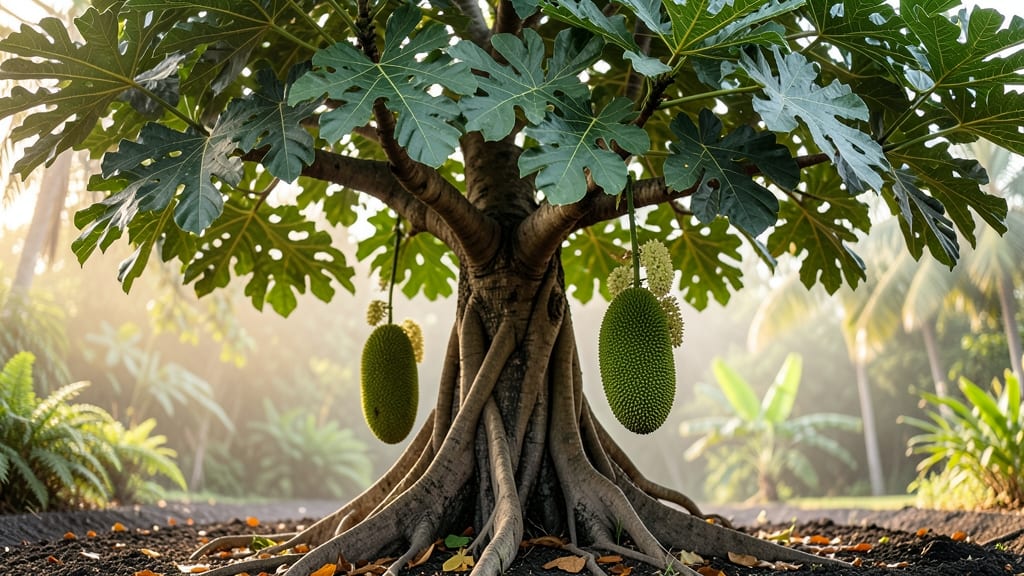
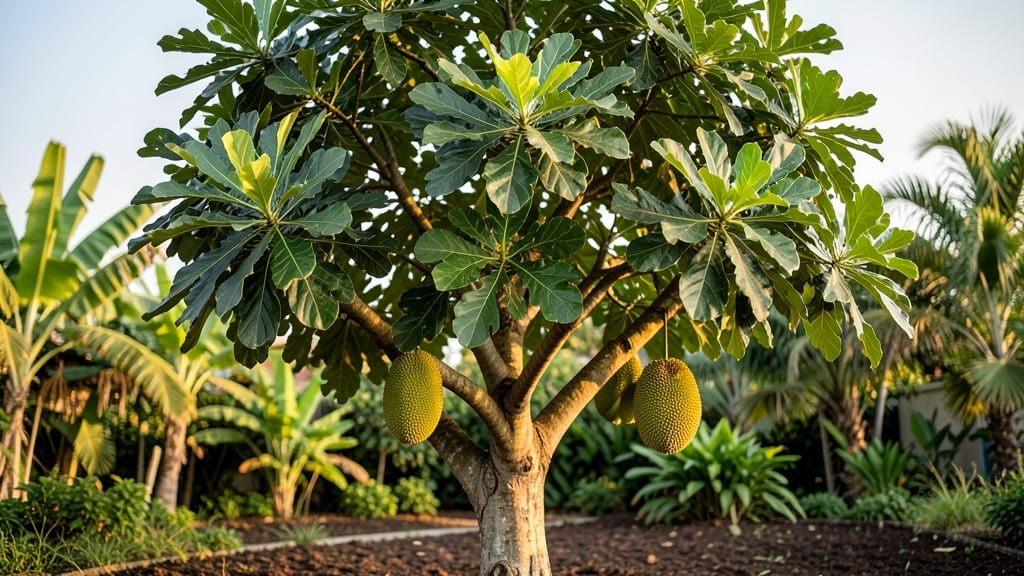
💥 Quick Answer Jackfruit is the world’s largest tree-borne fruit, prized for its sweet, fibrous flesh that tastes like a tropical blend of pineapple, banana, and mango. This hardwood tree thrives in humid climates…
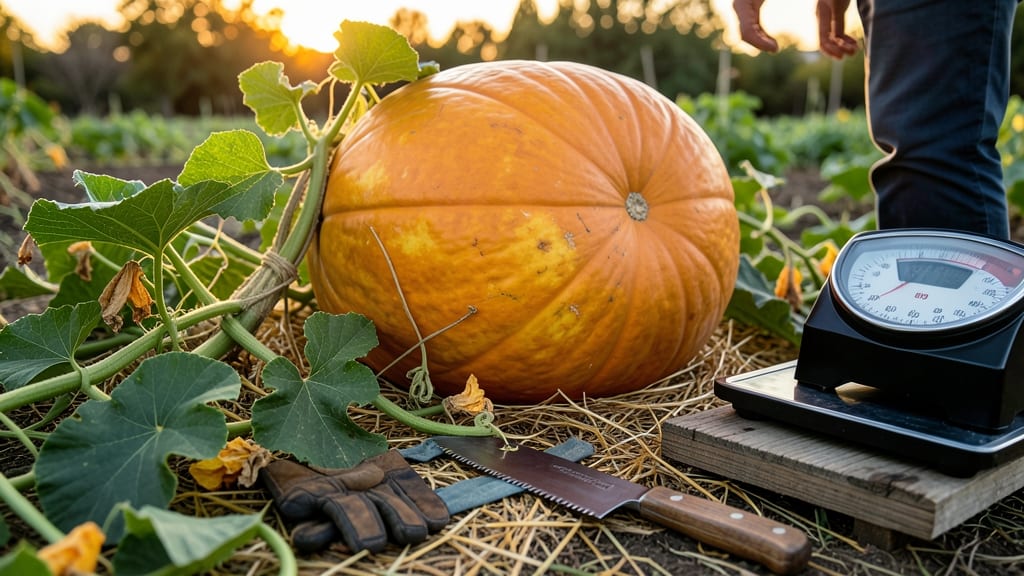
💥 Quick Answer To cultivate the biggest fruit ever, you'll need to focus on specialized varieties like the Mammoth Melon (capable of reaching 250 lbs ) or Giant Pumpkin (with records over 2,500 lbs ), alongside precise…
💥 Quick Answer In Spanish Mexico, jackfruit is called jakfrit or fruta de pan (breadfruit) in some regions, though it’s not native and is often confused with local tropical fruits like mamey or chicozapote . The term…