
Pruning
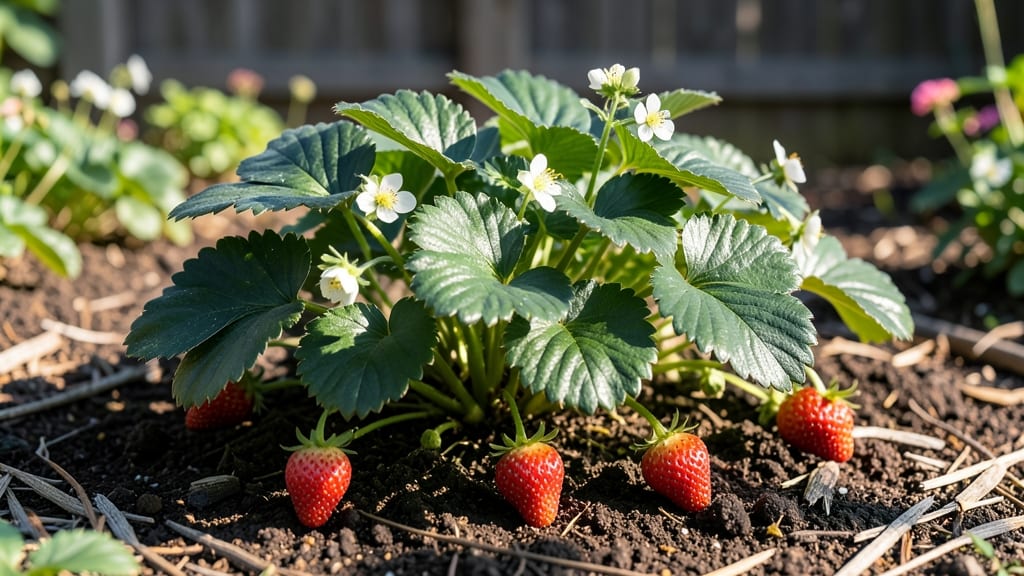
Growing a fruit strawberry tree (Arbutus unedo) means year-round interest—glossy evergreen leaves, delicate spring flowers, and edible berries that ripen in late fall. 🌿 I’ve nurtured mine for five seasons, and the key to consistent harvests lies in strategic pruning that balances shape and fruit production.
This isn’t your average garden plant: it thrives in partial shade, tolerates poor soil, and keeps its bark peeling like a tree-sized exfoliating glove. The trick is pruning lightly in spring to encourage new growth while shaping the tree—never cutting back hard, or you’ll sacrifice next year’s crop.
By winter, you’ll have clusters of small, sweet-tart berries (yes, they’re edible, though not as flavorful as garden strawberries). The real magic happens when you time pruning to avoid flowering branches—let the tree focus on fruit, not just foliage.
Perfect for coastal gardens, urban yards, or anywhere you want low-maintenance beauty with a bonus harvest. Here’s how to keep yours thriving all year.
📚 In This Guide
- What you need
- Instructions
- Tips and common mistakes
- Wrapping up and next steps
What you need
- ● Pruning shears – Bypass-style (sharp, clean-cutting blades; blank">Felco F-2 or blank">Gonicc recommended).
- ● Loppers – For thicker branches (1.5"–2" cutting capacity; avoid anvil-style to prevent crushing).
- ● Hand pruners – For precision work (ergonomic grip; sterilize with rubbing alcohol between cuts).
- ● Garden gloves – Cut-resistant (e.g., blank">Felco Gloves) to protect hands from thorns.
- ● Disinfectant (70% isopropyl alcohol or hydrogen peroxide) – 1 oz per gallon of water for sterilizing tools.
- ○ Pruning sealant – Optional but helpful (e.g., blank">Tanglefoot Tree Wound Pruning Seal for large cuts).
- ● 5-gallon bucket with lid – For collecting pruned branches (prevents pests from nesting).
- ● Measuring tape – 16-foot for assessing branch length and spacing.
- ● Notebook & pen – To log pruning dates, branch notes, and harvest progress.
- ● Safety goggles – Protects eyes from debris (especially when removing large branches).
- ● Ladder or step stool – Sturdy, 4+ ft tall (e.g., blank">Little Giant folding ladder).
- ● Tree tie or zip ties – For securing young branches during training (¼" width).
- ● Compost bin – To recycle pruned material (avoid if diseased; check for pests first!).
- ● Spray bottle with water – Keeps tools clean and dust-free during pruning.
How to prune a fruit strawberry tree for year-round harvests
Here's the science-backed pruning schedule I use to keep my strawberry tree producing fruit continuously.
✂️ Step 1: Late Winter Cleanup (January-February)
Start by removing all dead, diseased, or weak branches with clean, sharp pruning shears. I look for branches that are brown, brittle, or showing signs of fungal growth—these won't produce fruit and can spread disease to healthy growth. Cut back to a healthy bud or lateral branch, making cuts at a 45-degree angle just above an outward-facing bud.
Next, thin out any crossing branches that rub together. These wounds create entry points for pests and diseases. I aim to leave the strongest, most vigorous branches that receive good air circulation. This early pruning stimulates new growth that will bear fruit in spring. Don't remove more than one-third of the tree's total foliage—this ensures the tree has enough energy for new shoots.
☀️ Step 2: Post-Harvest Pruning (June-July)
After your first major harvest, prune back any branches that have produced fruit to encourage a second flush of growth. I cut back to the first healthy set of leaves below the fruiting area—this stimulates lateral buds to develop. For everbearing varieties, this is particularly important as they rely on consistent pruning to produce multiple harvests.
Remove any suckers or water sprouts that appear on the trunk or major branches. These are fast-growing, weak shoots that drain energy from fruit production. I make these cuts close to the trunk to prevent regrowth. This is also when I shape the tree's canopy by selectively pruning branches that grow inward, ensuring sunlight reaches all parts of the tree.
🌿 Step 3: Light Summer Maintenance (August-September)
In late summer, focus on removing any branches that are growing too densely. I look for areas where leaves are shading each other excessively, as this reduces fruit quality. Thin these areas by cutting back to the nearest lateral branch that opens up the canopy. This allows better airflow and sunlight penetration, which is crucial for preventing fungal diseases like powdery mildew.
Also, trim any branches that have produced poor-quality fruit or are showing signs of stress. I make these cuts just above a healthy bud, angling the cut to prevent water from pooling. This encourages the tree to redirect its energy toward producing new, vigorous growth for fall harvests. Avoid heavy pruning during this period—just light maintenance to keep the tree balanced.
⏰ Step 4: Fall Preparation (October-November)
As temperatures drop, prune any branches that have produced fruit in the current season. I cut back to the first healthy set of leaves below the fruiting area, similar to the summer pruning but more aggressive. This helps the tree harden off for winter and prepares it for spring growth. For cold climates, I also remove any branches that are particularly thin or weak, as these are more susceptible to winter damage.
Finally, apply a 1-inch layer of mulch around the base of the tree to protect roots from freezing temperatures. I use organic mulch like wood chips or straw, keeping it 6 inches away from the trunk to prevent rot. This step is critical for everbearing varieties, as it helps maintain root health through winter for the next growing season.
🌱 Step 5: Minimal Pruning in Early Spring (March-April)
In early spring, do a final light pruning to remove any dead or damaged branches that might have survived winter. I also trim back any branches that grew too vigorously during the previous season, cutting back to a healthy bud. This helps shape the tree for the upcoming growing season and prevents overcrowding.
Pay special attention to the tree's growth pattern—look for branches that are growing too close together or crossing. I make small adjustments to maintain an open canopy, ensuring that sunlight reaches all parts of the tree. This is also the time to fertilize lightly, as new growth will be starting soon. Avoid heavy pruning now, as the tree is just beginning to recover from winter dormancy.
Tips & tricks for perfect fruit strawberry tree pruning
Mastering the art of pruning your fruit strawberry tree transforms it from seasonal to year-round producer. Here's how I've refined my approach over years of trial and error.
Tool Selection: Invest in a pair of high-quality bypass pruners for clean cuts—dull blades crush stems, inviting disease. I also keep a small handsaw on hand for thicker branches, and always sterilize tools with rubbing alcohol between cuts to prevent pathogen spread. The right tools make all the difference in maintaining tree health during each seasonal pruning phase.
Seasonal Timing Insight: The January-February window for Step 1 is crucial because dormant trees handle stress better. I've learned to time this cleanup before bud break—when you see the first tiny green swellings, it's too late. For Step 4's fall preparation, wait until after your final harvest but before hard frosts hit your region. This timing balance ensures winter hardiness while maintaining energy reserves.
Visual Pruning Cues: In Step 3's summer maintenance, look for branches where leaves are touching each other—this is your signal for thinning. I train myself to visualize the tree's "bones": the main scaffold branches should be spaced about 8-12 inches apart to allow sunlight penetration. For Step 2's post-harvest pruning, cut back until you see fresh green growth—this indicates where new fruit-bearing branches will emerge.
Mulch Application Technique: When applying that 1-inch layer in Step 4, I create a slight depression around the trunk before adding mulch. This prevents water from pooling against the bark, which can cause rot. I also avoid piling mulch against the trunk itself—keeping it 6 inches away creates proper air circulation while still protecting roots. This small detail makes a big difference in winter survival rates.
Pro Tips for Fruit Strawberry Tree
- Mastering the art of pruning your fruit strawberry tree transforms it from seasonal to year-round producer.
- Tool Selection: Invest in a pair of high-quality bypass pruners for clean cuts—dull blades crush stems, inviting disease.
- Seasonal Timing Insight: The January-February window for Step 1 is crucial because dormant trees handle stress better.
Frequently asked questions
Got questions about growing and maintaining your fruit strawberry tree? You’re not alone! Below are some of the most common queries—plus clear, actionable answers to keep your harvest thriving year-round.
How often should I prune my strawberry tree for the best fruit?
Prune your tree twice a year: once in late winter (before new growth) to remove dead or crossing branches, and again after harvest to encourage new fruiting laterals. Light trimming between harvests can also boost airflow and fruit quality. Pro tip: Never cut more than 1/3 of the tree at once—gradual pruning prevents stress!
When is the best time to harvest strawberries from a tree?
Harvest when berries are fully colored, plump, and easily detach from the plant (a gentle tug should release them). For year-round varieties, expect staggered harvests—spring, summer, and sometimes fall. Morning picks are ideal: fruit is cooler and sweeter after overnight hydration.
Why aren’t my strawberry tree fruits ripening? Troubleshooting tips?
Several factors could be at play:
- Insufficient sunlight: Trees need 6+ hours of direct sun daily. Move to a sunnier spot if indoors or supplement with grow lights.
- Overwatering: soggy soil = root rot. Let the top 1–2 inches dry between waterings.
- Nutrient deficiency: Yellow leaves? Feed with a balanced fertilizer (10-10-10) or compost every 2–3 months.
- Pests/disease: Check for aphids, spider mites, or fungal spots. Neem oil or insecticidal soap can help.
Can I grow a strawberry tree indoors? What do I need?
Choose a dwarf variety (like ‘Albion’ or ‘Seascape’) and place it near a south-facing window or under grow lights (12–16 hours/day). Use a well-draining pot with organic soil mix and a trellis for support. Humidity trays can combat dry indoor air.
Are there alternatives to strawberry trees for small spaces?
Yes! If a tree feels too large, try:
- Strawberry runners: Propagate from existing plants for compact, ground-level harvests.
- Dwarf strawberry bushes: Varieties like ‘Tristar’ or ‘Ostara’ stay under 12 inches tall.
- Hanging baskets: Perfect for balconies—use trailing varieties like ‘Everest’. Rotate baskets weekly for even sun exposure.
All three options yield sweet fruit with minimal space!
Wrapping up and next steps
Growing a fruit strawberry tree is a rewarding journey that combines patience, care, and a little know-how—especially when it comes to year-round pruning for bountiful harvests. 🌱 From selecting the right tools to mastering seasonal trims, every step you take brings you closer to a garden bursting with sweet, vibrant fruit.
With consistent effort, your tree will thrive, offering abundant yields and a stunning focal point in your landscape.
Ready to take the next step? Start by observing your tree weekly—adjust your pruning schedule based on its growth and fruiting cycles. If you’re new to pruning, bookmark this guide and revisit it as you gain confidence. Happy growing, and may your strawberry tree flourish with every season! 🍓✨