
Fertilization
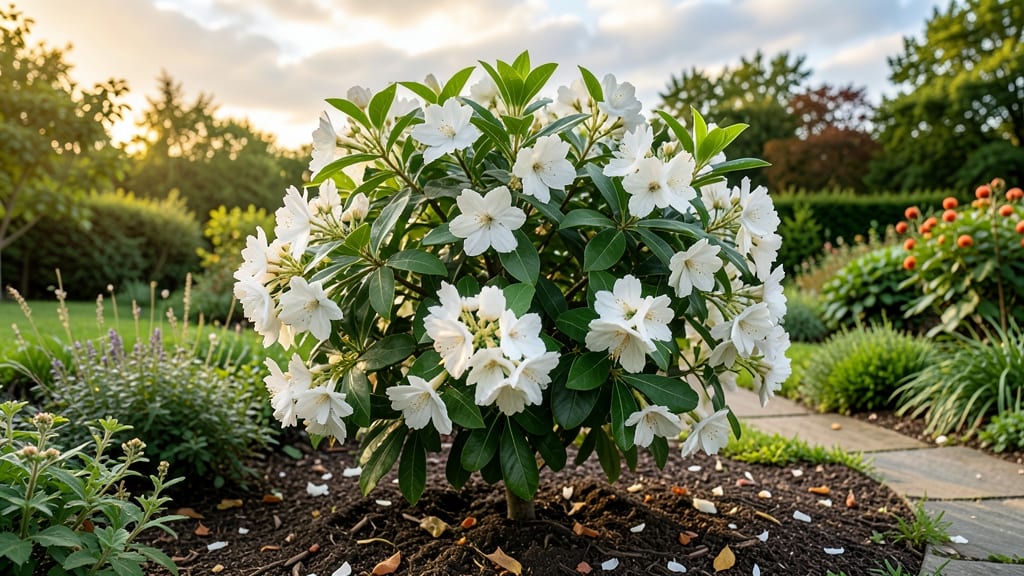
Mock orange fruit is edible but rarely eaten because of its bland, mealy texture and tart flavor, often compared to a dry citrus with fibrous pulp. While birds and small animals enjoy it, humans typically use it sparingly in preserves or teas.
This fruit comes from the Philadelphus shrub, known for its fragrant flowers rather than its berry-like drupes. 🌿 The flavor profile—dry, slightly citrusy, and tart—makes it unappealing to most palates, though its high pectin content has led to niche uses in jams and fermented products.
Unlike the showy blossoms, the fruit ripens in late summer, offering a unique but underutilized harvest for gardeners and foragers.
What makes mock orange fruit interesting isn't just its taste but its ecological role. Birds and wildlife adore it, making it a great addition to wildlife-friendly gardens. Some cultures experiment with infusions or fermented extracts, though these applications remain rare outside traditional practices.
💡 In This Article
- Botanical Profile of Mock Orange Fruit
- Creative Uses for Mock Orange Fruit in Gardening
Botanical profile of mock orange fruit
The mock orange fruit originates from the Philadelphus genus, a group of deciduous shrubs native to North America, Europe, and Asia.
Unlike the fragrant white flowers that give the plant its common name, the fruit appears as small, berry-like drupes (typically 0.5-1 inch in diameter) that ripen in late summer to early fall. These fruits develop from fertilized flowers and contain 1-2 hard seeds encased in a thin, translucent skin.
The fruit's texture is what makes it unappealing to most humans—its pulp is mealy and fibrous, with a consistency similar to overripe plums but drier, almost like a cross between an apple and a citrus peel.
Chemically, it contains high levels of pectin (up to 1.5% by weight) and tartaric acid, which contribute to its dry, astringent mouthfeel. The flavor profile is dominated by citrusy notes (limonene compounds) but lacks sweetness, making it taste more like a sour, watery lemon than a ripe fruit.
Seasonal availability is key to understanding why mock orange fruit is rarely eaten. The shrubs bloom in spring, but the fruits take 3-4 months to mature, ripening between August and October depending on the climate. In cooler regions, the fruit may not fully ripen, resulting in even more astringent flavors.
This late-season harvest also coincides with an abundance of other fruits, reducing the incentive for humans to seek out mock orange.
What's fascinating is how the fruit's structure differs from the ornamental flowers. While the blossoms are prized for their jasmine-like fragrance (thanks to benzaldehyde compounds), the fruit lacks these aromatic qualities.
Instead, it relies on visual cues—bright red or orange hues when ripe—to attract birds and small mammals, which disperse the seeds. This evolutionary adaptation explains why wildlife thrives on mock orange fruit while human palates often reject it.
For those curious about experimenting, the fruit's high pectin content makes it ideal for preserves or jams when mixed with sweeteners. However, the tartness requires at least 1:1 sugar ratio to balance the flavor.
Some foragers also ferment the fruit to create a lightly effervescent, citrusy syrup, though this remains a niche practice.
If you're growing mock orange shrubs, timing is everything. Prune the plant after flowering but before fruiting to encourage larger, more flavorful berries. The fruit's short shelf life (typically 1-2 weeks after picking) means it's best used fresh or preserved immediately.