
Vegetables
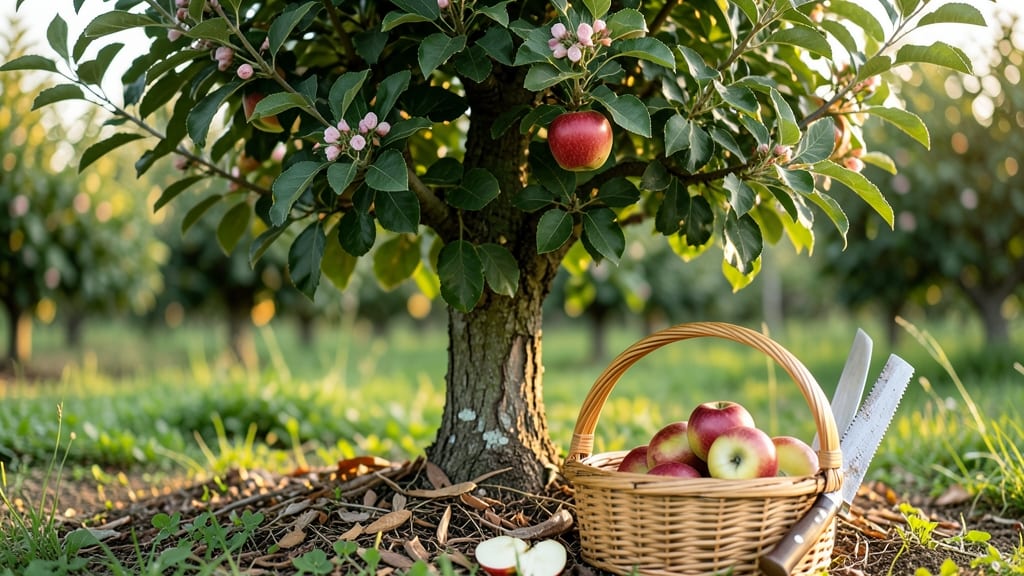
Fruits with white inside flesh—like lychee, soursop, and certain apple varieties—deliver a clean, sweet, or tangy flavor with a delicate crunch and minimal seeds. Their striking appearance and mild taste make them perfect for both fresh eating and creative recipes.
A fruit with white inside stands out because its flesh lacks anthocyanins, the pigments that give many fruits their red or purple hues. 💫 For example, white-fleshed apples like 'White Fuji' or 'SnowSweet' develop their color through selective breeding, while tropical fruits like soursop and lychee naturally grow this way due to their genetic makeup.
Beyond flavor, their neutral color makes them ideal for desserts, sauces, or even artistic fruit arrangements.
If you're growing these fruits, pay attention to sunlight and soil pH—most white-fleshed varieties thrive in well-draining soil with partial shade. In the kitchen, their mild taste pairs beautifully with citrus, vanilla, or even savory herbs like mint or basil.
Try blending soursop into a creamy smoothie or using lychee in a refreshing summer salad!
💡 In This Article
- Why Some Fruits Develop White Inner Flesh
- Best Ways to Grow and Use White-Fleshed Fruits
Why some fruits develop white inner flesh
The white interior of certain fruits isn't just a visual quirk—it's a result of their genetic makeup and biochemical processes. Unlike red or purple fruits, white-fleshed varieties lack anthocyanins, the pigments responsible for those vibrant hues.
Instead, they produce less chlorophyll and carotenoids, which creates their pale, almost translucent appearance. For example, lychees develop white flesh because their skin blocks sunlight from reaching the fruit's interior, preventing pigment formation.
Genetics play a huge role too. Many white-fleshed fruits, like the 'White Fuji' apple, were selectively bred over generations to maintain their light color. This process often involves recessive genes that suppress pigment production.
Environmental factors also matter—white-fleshed fruits typically grow in warmer climates where intense sunlight isn't as harsh, allowing their delicate color to stay intact. The pH level of the fruit itself can influence this too; a slightly acidic environment (pH 4-5) helps maintain that pristine white color.
What makes these fruits unique isn't just their appearance but their texture and flavor. The white flesh often indicates a crisp, juicy, or creamy texture—think of the silky interior of a soursop or the firm yet tender bite of a white-fleshed apple.
This texture comes from higher water content and specific cell structures that develop differently in white-fleshed varieties compared to their colored counterparts.
The lack of pigment doesn't mean these fruits are less flavorful; it just means their taste profile leans toward sweetness or mild tanginess without the bitterness often found in darker-fleshed fruits.
One fascinating detail is how these fruits handle storage. White-fleshed varieties, like lychees, are more prone to browning when exposed to air due to enzymatic reactions called polyphenol oxidases.
This is why they're often sold with their skins intact or stored in airtight containers with a bit of lemon juice to slow down oxidation. The same enzymes that cause browning also contribute to the fruit's natural sweetness, creating a delicate balance that makes them so appealing.
Consider the contrast between a red apple and a white-fleshed apple like 'SnowSweet'. The white variety often has a lower sugar content but a higher concentration of certain organic acids, giving it a refreshing, almost wine-like flavor.
This is why white-fleshed apples are frequently used in pies or sauces where you want a lighter, more subtle taste. The same principle applies to tropical fruits—soursop, for instance, has a creamy white flesh that's naturally sweet and slightly tangy, making it a star in desserts and beverages.
If you're curious about why some fruits stay white while others develop color, it often comes down to the balance of pigments and the fruit's evolutionary adaptations.
For example, fruits that grow in shaded environments or under dense canopies tend to develop white flesh because they receive less direct sunlight, which triggers pigment production. This adaptation helps them stand out to animals that disperse their seeds, even without the bright colors of their sunlit counterparts.