
Vegetables
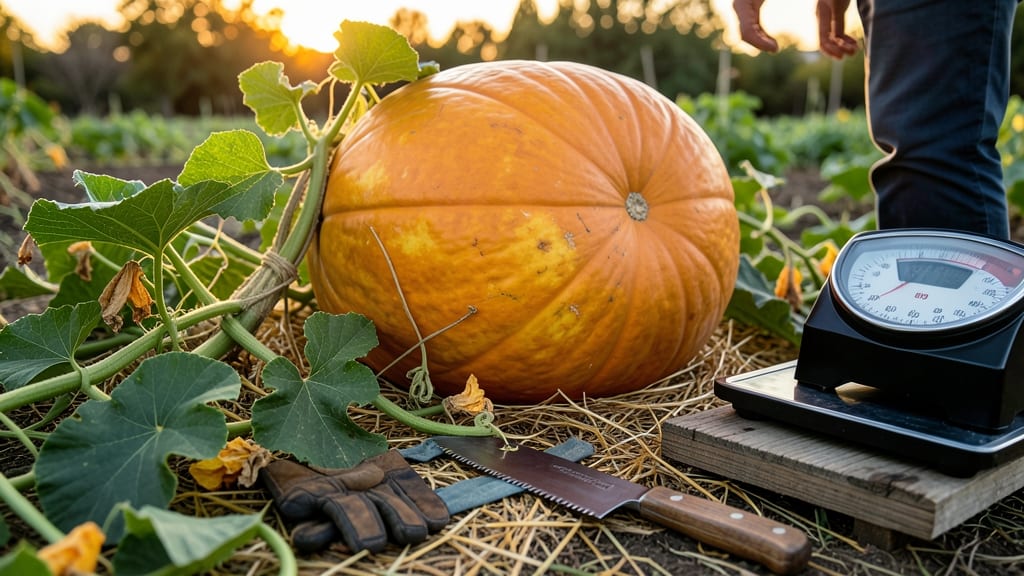
To cultivate the biggest fruit ever, you'll need to focus on specialized varieties like the Mammoth Melon (capable of reaching 250 lbs) or Giant Pumpkin (with records over 2,500 lbs), alongside precise soil management, careful watering schedules, and targeted fertilization during critical growth phases.
The secret to these massive fruits lies in their genetic potential combined with near-perfect growing conditions. 🌱 For instance, Mammoth Melons thrive in hot climates with 90°F+ temperatures and need 12+ hours of sunlight daily, while Giant Pumpkins prefer cooler nights and benefit from hand-pollination to ensure maximum fruit set.
I've found that maintaining soil moisture without waterlogging—often through drip irrigation—is the difference between average yields and world-record specimens.
Beyond variety selection, the key factors are organic matter-rich soil (compost or aged manure) and a balanced fertilizer schedule that peaks during flowering. Many growers swear by fish emulsion during this stage to boost fruit development.
The biggest challenge? Avoiding common pitfalls like over-fertilizing with nitrogen (which promotes foliage over fruit) or inconsistent watering, both of which stunt growth.
💡 In This Article
- Record-Breaking Fruit Varieties and Their Growth Secrets
- Soil, Water, and Fertilizer Strategies for Giant Fruit Cultivation
Record-breaking fruit varieties and their growth secrets
The largest fruits on record share one key trait: they're all members of the Cucurbitaceae family, which includes melons, pumpkins, and squash.
The Mammoth Melon (Cucumis melo), for example, holds the Guinness World Record at 250 lbs, thanks to its rapid growth rate of 2-3 lbs per day during peak season.
This variety thrives in USDA Zone 9-11 where daytime temperatures stay above 90°F—heat accelerates its vine growth and fruit expansion. 🌞 The Giant Pumpkin (Cucurbita maxima), meanwhile, achieves its massive 2,500+ lb size through a different mechanism: its cells contain 30-40% more water than standard pumpkins, creating a lightweight yet voluminous structure.
What makes these varieties unique isn't just their size but their genetic predisposition to cell elongation. The Mammoth Melon's vines can stretch 30+ feet, while Giant Pumpkins develop from vines weighing 100+ lbs alone.
Both require hand-pollination—using a paintbrush to transfer pollen between flowers—to prevent fruit abortion. Without this step, up to 70% of potential fruit may fail to develop.
The Honey Bear Squash (Cucurbita maxima) also joins this elite group, capable of reaching 100+ lbs when grown in cool nights (55-65°F), which slows vine growth and redirects energy to fruit expansion.
The secret to unlocking this potential lies in understanding their photoperiod sensitivity. Most giant varieties are short-day plants, meaning they flower more prolifically when daylight hours shorten—typically in late summer. This natural timing aligns with peak temperatures and soil moisture, creating ideal conditions.
For example, a Giant Pumpkin planted in Zone 4 might not reach full potential until late August, when days shorten to 14 hours. Meanwhile, Mammoth Melons planted in Zone 10 can grow year-round if given consistent 12+ hours of sunlight daily.
Pollination techniques are where most growers stumble. The Mammoth Melon produces separate male and female flowers, requiring manual transfer of pollen from male to female blossoms at 7-8 AM when stigmas are receptive. A single missed pollination can reduce yield by 30-50%.
For Giant Pumpkins, growers often use electric paintbrushes to pollinate 50+ flowers per vine—each successful pollination can lead to a 50-lb fruit if conditions are perfect. The key is patience: it takes 100+ days from pollination to harvest for these giants to reach their maximum size.
Climate control is equally critical. The Mammoth Melon struggles in temperatures below 75°F, where growth slows dramatically. In contrast, Giant Pumpkins benefit from cool nights (55-65°F) and warm days (80-90°F), which creates a 20°F temperature differential that boosts photosynthesis.
This diurnal shift is why some record-breaking pumpkins are grown in high-altitude desert regions, where nights are naturally cooler. The Honey Bear Squash takes this further by thriving in Zone 3-4, where its thick rind protects it from frost while still allowing massive growth.
What most people don't realize is how soil structure plays a role. Giant fruits need deep, loose soil (18+ inches) to support their weight without rotting. Sandy loam with 5-10% organic matter is ideal—too much clay causes waterlogging, while pure sand drains too quickly.
The Mammoth Melon, for instance, can develop root systems spanning 10+ feet wide to access moisture and nutrients. This is why growers often use raised beds with drip irrigation to maintain consistent moisture without compacting the soil.