
Pruning
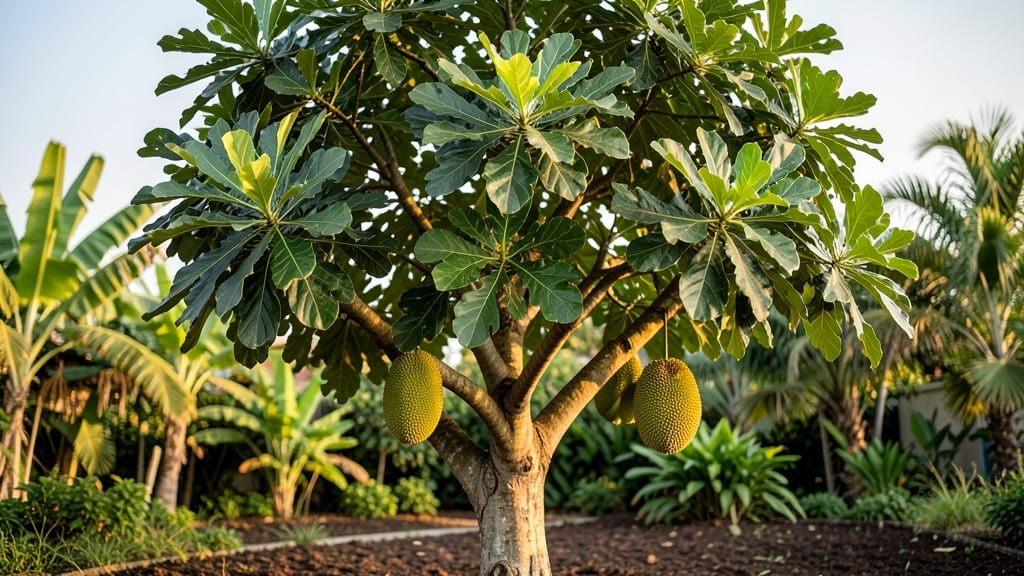
In Spanish Mexico, jackfruit is called jakfrit or fruta de pan (breadfruit) in some regions, though it’s not native and is often confused with local tropical fruits like mamey or chicozapote. The term nopal refers to cactus paddles, not jackfruit, but regional slang varies by state. For authentic names, consult local markets or farmers in tropical zones like Veracruz or Chiapas.
Jackfruit's exotic status in Mexico creates a fascinating linguistic mix—its name blends with local tropical fruits because it's not native to the region. 🌴 Unlike mamey (a creamy sapodilla-like fruit) or chicozapote (a custard-apple relative), jackfruit's unique texture and size often lead to misidentification.
In markets, vendors might call it jakfrit in Yucatán or fruta de pan in Veracruz, reflecting both its foreign origins and its bread-like when ripe. The confusion with nopal stems from how non-native fruits get colloquial names tied to familiar local plants.
What makes this even more interesting is how jackfruit's popularity has grown through Mexican street food culture. 🔥 You'll find it in tacos de jackfruit—a plant-based alternative to carnitas—that's become a staple in vegan-friendly taquerías across Mexico City.
The key to authentic sourcing is visiting tropical regions where the climate supports its growth, like Chiapas or Tabasco, where farmers often grow it in home gardens rather than commercial orchards.
💡 In This Article
- Why Mexican Spanish Confuses Jackfruit with Local Fruits
- Where to Find and Use Jackfruit in Mexican Markets
Why Mexican Spanish confuses jackfruit with local fruits
Jackfruit's linguistic confusion in Mexico stems from its status as an imported tropical fruit. Unlike native fruits like mamey (a custard-like fruit with a single large seed) or chicozapote (a creamy, custard-apple relative), jackfruit's massive size—sometimes weighing up to 80 pounds—and unique texture make it stand out.
Vendors in regions like Veracruz often call it jakfrit (pronounced "hahk-freet"), a phonetic adaptation of its English name, while others use fruta de pan ("breadfruit") due to its starchy, bread-like consistency when ripe.
The association with nopal (cactus paddles) is a fascinating linguistic quirk. In Mexico, non-native fruits frequently get colloquial names tied to familiar local plants—similar to how aguacate (avocado) was once called ahuacatl (derived from the Aztec word for testicle).
Jackfruit's exotic nature leads to creative mislabeling, especially in markets where vendors might not know its proper name. The confusion deepens in regions like Chiapas, where tropical fruits thrive, but local dialects blend terms freely.
Climate plays a crucial role in this naming chaos. Jackfruit thrives in Mexico's tropical zones, where temperatures hover around 75-85°F year-round. In these regions, it grows alongside native fruits, creating opportunities for cross-pollination of names.
For example, a ripe jackfruit's sweet, fibrous texture might remind someone of mamey, while its size could evoke chicozapote. This sensory overlap fuels the mislabeling, especially among older generations who may not have encountered jackfruit before.
Historical trade routes also contribute to the confusion. Jackfruit originated in Southwest India and spread through colonial trade networks, arriving in Mexico via the Philippines during the Spanish era. Over time, its name evolved alongside other imported goods, leading to regional variations.
In Yucatán, you might hear jakfrit pronounced with a Mayan-influenced accent, while in Tabasco, it could be called something entirely different due to local linguistic traditions.
What most people don't realize is how jackfruit's cultural adoption has created a new culinary identity in Mexico. 🌿 Its versatility—used in everything from tacos de jackfruit to vegan birria—has led to a growing appreciation for its unique qualities.
Unlike native fruits that have deep cultural ties, jackfruit's foreign origins make it a blank canvas for creative naming, reflecting Mexico's dynamic blend of indigenous and global influences.
To avoid confusion, focus on these key identifiers: jackfruit has a rough, spiky exterior when unripe and a sweet, honey-like aroma when mature. Native fruits like mamey have smooth skins and a single large seed, while chicozapote is smaller with a papery skin.
These distinctions help separate the exotic from the local in Mexico's vibrant fruit markets.