
Advice
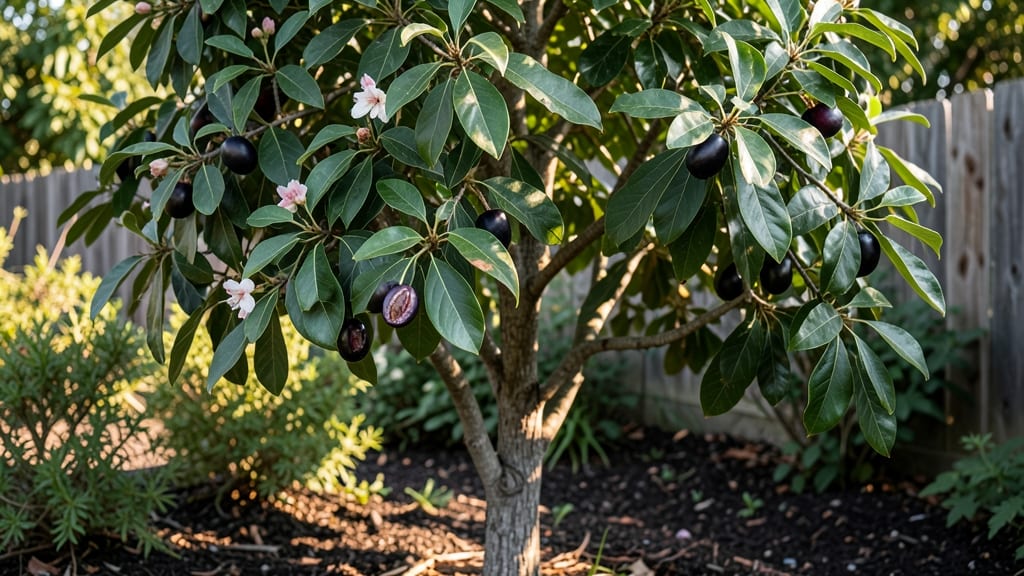
The English name for jamun fruit is Syzygium cumini, also called black plum or Indian blackberry, a tropical tree native to South Asia prized for its edible fruit, medicinal properties, and ornamental value in gardens.
The Syzygium cumini tree produces those deep purple-black berries we call jamun, and it's a real standout in tropical landscapes. 🌿 This fruit isn't just delicious—it's packed with antioxidants and often used in traditional medicine for its anti-diabetic properties.
What's fascinating is how its thick, glossy skin protects the juicy flesh inside, which is why it stays fresh longer than many other tropical fruits when stored properly.
The tree itself is surprisingly hardy once established, making it a favorite for home gardeners in warm climates who want both beauty and bounty.
Beyond its culinary uses, jamun plays a key role in local ecosystems by attracting birds and small mammals. The tree's fragrant white flowers also make it a pollinator magnet during its blooming season.
I've seen gardeners in Florida and California successfully grow it in containers, though it does need full sun and well-draining soil to thrive. The fruit's unique flavor profile—sweet with a slight tartness—makes it perfect for jams, juices, or even as a natural food coloring in desserts.
💡 In This Article
- Botanical Classification and Key Characteristics of Syzygium Cumini
- Growing and Harvesting Syzygium Cumini in Home Gardens
Botanical classification and key characteristics of Syzygium cumini
Syzygium cumini belongs to the Myrtaceae family, which also includes familiar plants like cloves and eucalyptus. This evergreen tree can grow up to 30-40 feet tall under ideal conditions, with a rounded canopy that provides excellent shade.
The fruit itself is a dark purple-black berry measuring about 1-2 inches in diameter, encased in a thick, waxy skin that protects the juicy, translucent flesh inside.
What makes it unique is the large, single seed nestled in the center—a feature that distinguishes it from similar-looking fruits like the black sapote.
The tree thrives in tropical climates with high humidity and temperatures between 75-90°F, though it can tolerate brief periods of cooler weather once established. Its roots spread widely to access moisture, which explains why it's often found near water sources in the wild.
The leaves are glossy, oval-shaped, and emit a faint citrusy aroma when crushed—a subtle clue to its botanical relatives. 🌿 The fruit's high antioxidant content comes from compounds like anthocyanins (which give it that deep purple hue) and ellagic acid, both of which contribute to its medicinal properties.
One fascinating characteristic is how the fruit's skin acts as a natural preservative. The thick, waxy coating slows moisture loss and prevents microbial growth, allowing jamun to stay fresh for 5-7 days at room temperature or up to 2 weeks in the refrigerator.
This adaptation is crucial for survival in its native habitat, where fruits often need to withstand harsh conditions before being consumed or dispersed by animals.
The flesh itself has a gelatinous texture when ripe, similar to a cross between a grape and a lychee, with a flavor that's sweet but slightly astringent—a taste profile that makes it a favorite in both savory and sweet dishes.
Ecologically, Syzygium cumini plays a vital role in its native ecosystems. The tree's dense foliage provides habitat for birds and insects, while the fruit serves as a food source for mammals like monkeys and bats.
In agricultural settings, it's often planted as a windbreak or shade tree because of its hardy nature and ability to improve soil quality through its deep root system. The flowers, which appear in clusters, are a magnet for pollinators like bees and butterflies, further supporting local biodiversity.
What many gardeners don't realize is how the tree's growth habit changes with age. Young Syzygium cumini trees produce more leaves than fruit, while mature specimens (typically after 5-7 years) shift their energy toward fruit production.
This delayed fruiting is why patience is key when growing jamun—it's an investment that pays off with a bountiful harvest. The tree's resilience to pests like aphids and scale insects makes it a low-maintenance choice for tropical and subtropical gardens, though occasional monitoring for fruit borers is still recommended.
For those curious about its medicinal properties, the bark and leaves contain compounds that have been studied for their potential to regulate blood sugar levels. Traditional Ayurvedic medicine uses jamun in various forms to support metabolic health, though scientific research is still exploring these benefits.
The fruit's high fiber content (about 1.5 grams per 100 grams) also makes it a great addition to diets focused on digestive health.